Ingredients
Method
- Combine flour, yeast, and salt in a large bowl. Mix well.
- Add warm water and olive oil. Stir with a wooden spoon until a sticky dough forms.
- Cover the bowl with plastic wrap or a clean towel. Let it rest in a warm place for 90 minutes, or until doubled in size.
- Flour a work surface generously. Turn the dough out and gently shape it into a rough rectangle. Do not knead.
- Cut the dough into two equal pieces. Carefully transfer each onto a floured baking sheet. Let rise for 20 minutes.
- Preheat the oven to 230°C (445°F).
- Bake for 20-25 minutes, or until the loaves are golden and crusty.
- Cool on a rack before slicing. Enjoy your homemade ciabatta!
Notes
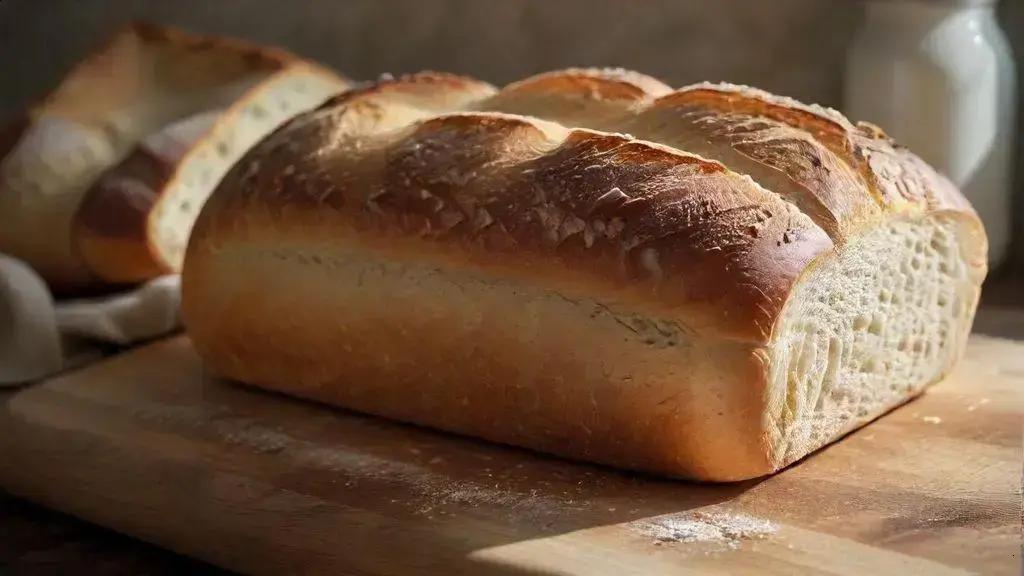
Ciabatta is beloved for its rustic appearance, golden crust, and airy, hole-filled crumb—qualities that make it both versatile and a hit with bread lovers around the world. Whether you enjoy it as the star of a gourmet sandwich or simply dipped in quality olive oil, ciabatta truly shines on any table.
Pro Tips for Perfect Ciabatta
- Don’t rush the dough: The long resting period is what gives ciabatta its signature open crumb. Be patient and let the dough double in size—this is where the magic happens!
- Handle with care: Resist the urge to knead after the first rise. Overworking will deflate the dough and make it dense rather than airy.
- Substitutions: If you’re out of all-purpose flour, you can use bread flour for extra chewiness or add a handful of whole wheat flour (replacing 1/2 cup) for rustic flavor, but this may yield a slightly denser texture.
Extra Techniques for Better Results
- Use wet hands: The dough is intentionally sticky. Wetting your hands before shaping helps prevent sticking and tearing.
- For crispier crust: Place a tray of hot water in the oven during baking to create steam, which enhances crustiness.
- Parchment paper: Transferring the dough onto parchment paper-lined trays can help retain its shape and make it even easier to handle.
Serving Suggestions & Variations
- Sandwiches: Cut ciabatta horizontally and fill with grilled veggies, cheese, or classic Italian cold cuts for a satisfying meal.
- Bruschetta: Toast slices and top with chopped tomatoes, garlic, basil, and a drizzle of olive oil.
- Creative twists: Add chopped olives, sun-dried tomatoes, or herbs into the dough before the first rise for a unique touch.
- Rustic side: Serve your fresh ciabatta alongside soups, salads, or charcuterie boards for cozy gatherings.