Ingredients
Method
- Preheat your oven to 180°C (350°F). Grease a 23cm (9-inch) round cake pan with olive oil and line the bottom with parchment paper.
- In a large bowl, whisk together the eggs and sugar until creamy and pale.
- Add the olive oil, orange juice, and orange zest to the mixture. Mix until fully incorporated.
- In a separate bowl, sift together the flour, baking powder, and salt.
- Gradually add the dry ingredients to the wet mixture. Stir gently with a spatula just until combined. Do not overmix to keep the cake fluffy.
- Pour the batter into the prepared pan and smooth the top with a spatula.
- Bake for 40-45 minutes, or until a toothpick inserted into the center comes out clean. If needed, bake for a few more minutes but avoid overbaking.
- Let the cake cool in the pan for 10 minutes, then remove from the pan and cool completely on a rack.
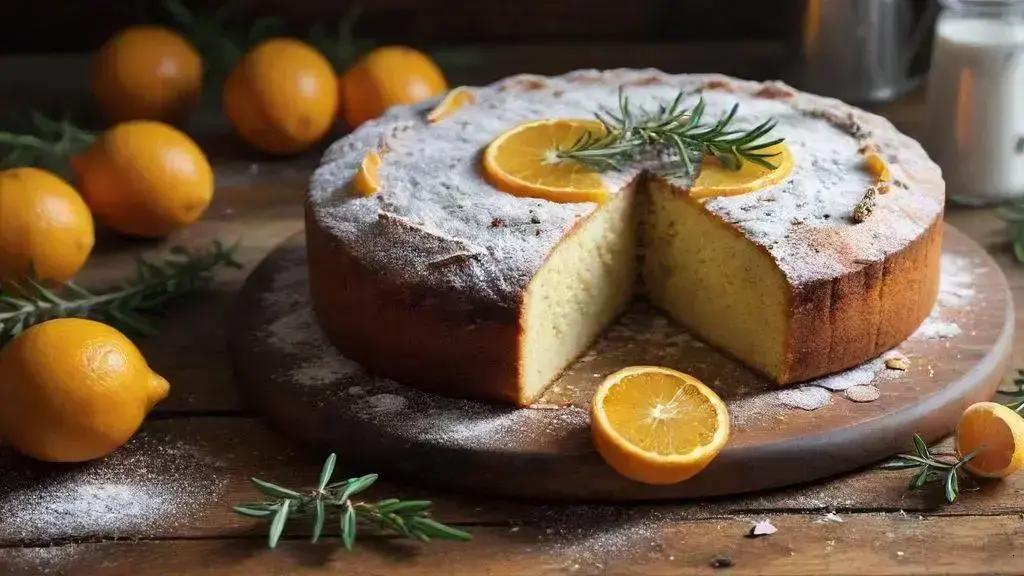
- Dust with powdered sugar and decorate with orange slices before serving for a fresh, elegant finish.
Notes
The orange olive oil cake stands out for its simple charm and exceptional versatility. Whether you’re craving a fragrant centerpiece for your brunch table or looking for a light dessert to pair with coffee, this recipe always delivers. The blend of fresh orange and high-quality olive oil creates a surprisingly moist crumb and an incredible aroma that naturally draws everyone to the kitchen.
Tips for the Best Orange Olive Oil Cake
- Use room temperature ingredients: This ensures the batter mixes smoothly and the cake bakes evenly every time.
- Choose a fruity, mild extra virgin olive oil. While you want the olive oil to be noticeable, a robust variety may overpower the citrus.
- Organic oranges are best, since you’ll be using the zest. Always wash thoroughly before zesting to avoid bitterness.
- If you prefer a healthier twist, swap part of the white flour for whole-wheat flour, or use coconut sugar for a deeper flavor profile.
- Don’t overmix the batter! Stir just until the dry ingredients disappear. Overmixing leads to a dense texture rather than the desired fluffy crumb.
Preparation Techniques for Maximum Flavor
- Sift the flour and baking powder to improve the cake’s lightness and prevent lumps.
- If you love a more pronounced citrus flavor, add a little more orange zest to the batter.
- Let the cake cool completely before dusting with powdered sugar so it doesn’t melt into the surface.
Serving and Variations
- For a special touch, serve with Greek yogurt, ricotta, or a drizzle of honey.
- This cake pairs beautifully with fresh berries or roasted stone fruits.
- If you’d like to make it gluten-free, use your favorite 1:1 gluten-free flour blend.
- For a hint of spice, try adding cardamom or cinnamon to the batter.
- Hosting a brunch? Serve slices with coffee or tea, or top with silky whipped cream and extra citrus zest for a festive look.