Ingredients
Method
Cake Preparation
- Preheat your oven to 180°C (350°F). Grease and line a 20cm (8-inch) round cake pan.
- In a large bowl, whisk the eggs and sugar until the mixture turns pale and creamy.
- Add the olive oil slowly while whisking, then mix in the orange zest and juice. Fold in the yogurt until smooth.
- In a separate bowl, combine the all-purpose flour, almond flour, baking powder, and salt.
- Gently fold the dry ingredients into the wet mixture until just combined. Do not overmix.
- Pour the batter into the prepared pan and smooth the top with a spatula.
- Bake for 40-45 minutes or until a skewer inserted into the center comes out clean.
- Allow the cake to cool in the pan for 10 minutes, then transfer to a wire rack to cool completely before serving. Dust with powdered sugar if desired.
Notes
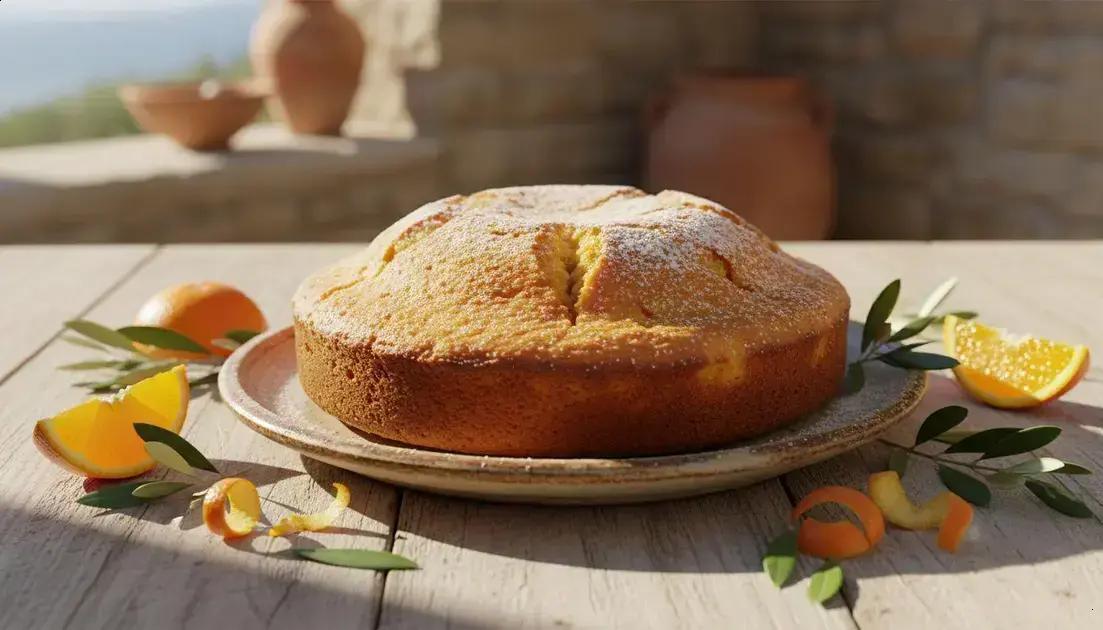
The orange olive oil cake is a wonderful example of how simplicity can deliver elegance and flavor, making it a favorite across many Mediterranean kitchens. Its light, moist crumb pairs perfectly with the bright notes of orange and the subtle fruitiness of olive oil, making it ideal for breakfast, dessert, or as an afternoon treat with coffee.
Tips for Perfect Results
- Choose a fruity, mild olive oil: While a robust extra-virgin oil can be delicious, a milder variety lets the orange flavors shine. Avoid olive oil that tastes bitter or peppery.
- Use fresh orange zest and juice: This is where the cake gets its signature aroma and taste. Zest only the orange-colored part of the skin to avoid bitterness from the white pith.
- Do not overmix: Stir the dry ingredients gently into the wet just until all is combined. Overmixing can make your cake dense instead of tender.
- Room temperature ingredients: Bring eggs and yogurt to room temperature for a smoother batter and even baking.
Expert Baking Techniques
- Sift the dry ingredients: This helps to avoid lumps in the batter and ensures a light texture.
- Test for doneness: Insert a toothpick or cake tester into the center. It should come out with a few moist crumbs but no wet batter.
Serving Suggestions and Variations
- Serve with Greek yogurt or whipped cream: The cake’s gentle sweetness pairs beautifully with a spoonful of creamy yogurt or slightly sweetened whipped cream.
- Add texture with toppings: Try sprinkling sliced almonds or pistachios on top before baking for a delightful crunch.
- Make it gluten-free: Substitute the all-purpose flour for your favorite gluten-free blend—ensure it includes a binder like xanthan gum for structure.
- Switch up the citrus: Lemon or grapefruit zest and juice can offer an exciting twist if you want a different flavor profile.