Ingredients
Method
- Stir together flour, yeast, sugar, and salt in a large bowl. Don’t skip the sugar—that little bit helps the yeast wake up fast.
- Pour in warm water and olive oil. Use your hand or a sturdy spoon to mix until a shaggy dough forms. It’ll look rough, that’s fine.
- Knead on a floured surface for about 8 minutes, until the dough turns smooth and stretchy. If it sticks, add just enough extra flour to keep your hands clean, nothing more.
- Rub a little olive oil inside the bowl. Drop in your dough, turn it once so all sides get a bit of oil, then cover with a plate or kitchen towel. Let it rise in a warm spot until doubled—usually 45 minutes for instant yeast.
- Punch down the dough to deflate it, then divide into 8 pieces. Shape each into a ball by cupping your hand and rolling gently—don’t flatten or twist too hard.
- Rest the balls on the counter for 10 minutes, covered with a towel. This makes them easier to roll out.
- Roll each ball into a circle 5–6 inches across, about 1/4 inch thick. If the dough fights back, let it rest 2 more minutes and try again.
- Heat your heaviest skillet (cast-iron works best) on medium-high, no oil. Once it’s hot enough that a flick of water dances and disappears fast, it’s ready.
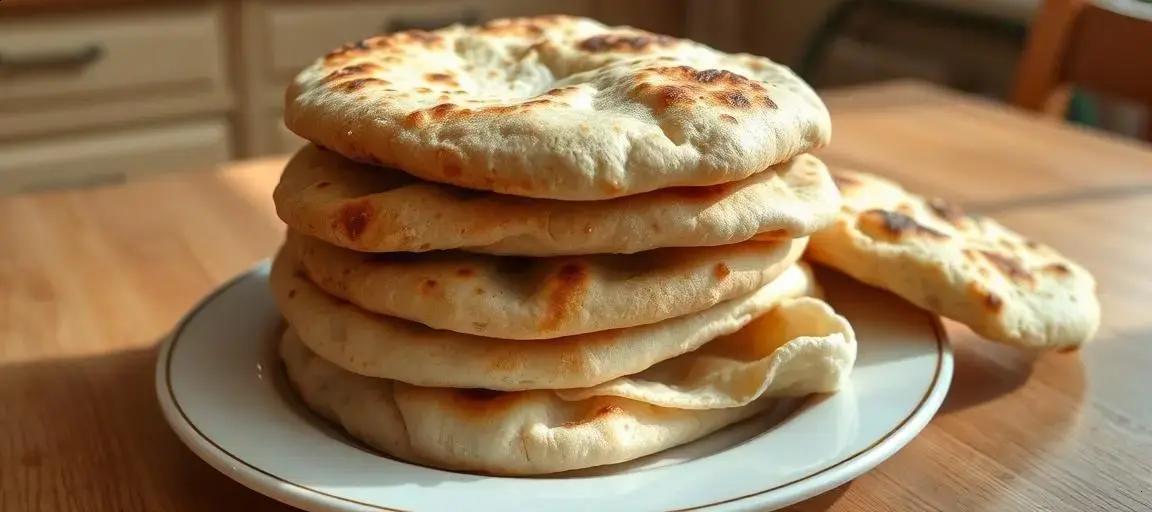
- Lay a dough round in the pan. Cook for 1 minute—it should bubble a bit underneath. Flip and cook another 1–2 minutes, until spots look golden brown and the bread puffs in at least one spot.
- Transfer cooked pita to a clean towel and wrap it up to keep soft. Repeat for each piece, stacking and wrapping as you go. Eat warm, or cool and store in a zip bag for up to 3 days.
Notes
I started making pita bread at home to show that bread-baking doesn’t have to mean flour everywhere and a four-hour wait. This recipe is my weekday fix when I want something warm, soft, and real for dipping or wraps—nothing from a bag comes close.