Go Back
sun-dried tomatoes — Mediterranean Diet Hub

sun-dried tomatoes

Sun-dried tomatoes made at home with just 10 minutes prep and a week’s supply. Tangy, chewy, rich flavor in every bite. Try it in salads or pastas.
Total Time 7 hours 21 minutes
Servings: 10 portions
Course: Side Dish
Cuisine: Mediterranean
Calories: 650

Ingredients
  

Main
  • 1 kg ripe roma tomatoes
  • 1 tablespoon kosher salt
  • 1 tablespoon dried oregano
  • 0.5 cup extra-virgin olive oil
  • 1 tablespoon balsamic vinegar optional, boosts tanginess

Method
 

  1. Preheat your oven to 90°C (195°F) or use the lowest setting available. Line a large baking sheet with parchment paper. If you have a convection setting, use it—it speeds up drying.
  2. Wash and dry the tomatoes. Slice each tomato lengthwise into halves. If you want them to dry faster, scoop out most of the seeds gently with a spoon.
  3. Arrange the tomatoes cut side up on the prepared baking sheet. Sprinkle with kosher salt and oregano evenly. If you want to dial up the acidity, drizzle a little balsamic vinegar now.
  4. Place the tray in the oven and dry the tomatoes for 7–8 hours. Check around hour 6—some ovens dry faster. You want tomatoes that are a little chewy but not wet in the center. Rotate your tray halfway through so they dry evenly. I always prop the oven door open with a wooden spoon for better air circulation.
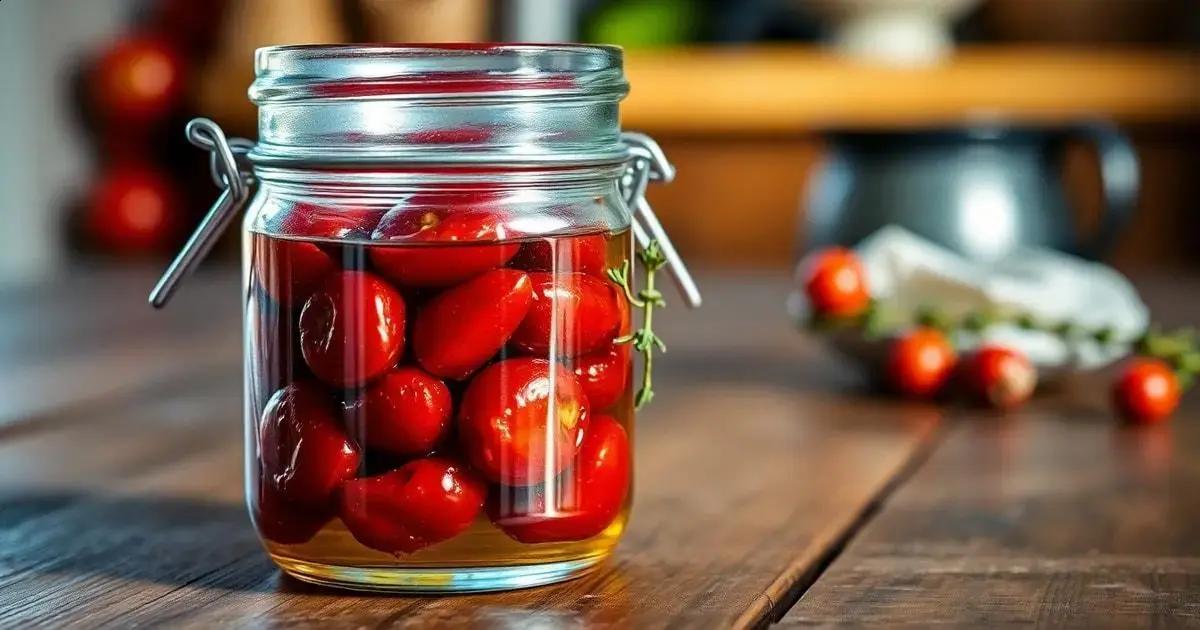
  5. Let them cool a bit, then transfer to a clean jar. Cover with extra-virgin olive oil; add a sprig of thyme or slivers of garlic if you like. Store in the fridge for up to a week. Use a clean fork every time—oil helps, but they still mold if wet hands go in.

Notes

The first summer I made sun-dried tomatoes at home, my kitchen smelled so much like my grandma’s it caught me off guard. There’s something about really slow-roasting tomatoes that brings out a deeper, almost smoky flavor you never get from store-bought.

Get them chewy (not dry)

Take your time—low and slow makes all the difference. If your oven runs hot, check two hours early. You want the pieces tacky and bendable—not brittle. Ovens lose heat fast below 100°C, so always prop the door just a finger’s width with a wooden spoon; it helps moisture escape. Since the tomatoes shrink a lot, don’t crowd the tray or you’ll get uneven results.
I scoop most of the seeds out with my thumb before arranging on the tray. This tiny extra step makes them dry faster and keeps the texture more concentrated (and less watery in the jar later).

Swaps that actually work

Cherry tomatoes absolutely work—halve them, but skip the de-seeding step. If you don’t have roma, just use any meaty, low-moisture tomato; juicy slicers make the process take forever and end up shriveling weirdly. Balsamic vinegar is optional but works if you want extra tang—red wine vinegar isn’t quite the same, it’ll get too sharp.

How I store and use them

If you want them to last a full week, keep them fully covered in olive oil in the fridge and always use a clean utensil to fish them out (fingers leave behind bacteria, and trust me, you’ll spot mold within a few days if you get sloppy here). They’re my not-so-secret hack for turning basically any pantry pasta into something special—or try them in grain bowls, on toast with ricotta, or chopped into an omelet.