
📄 Some content on this site was written with AI assistance and reviewed by Mileni Sabatini before publishing.
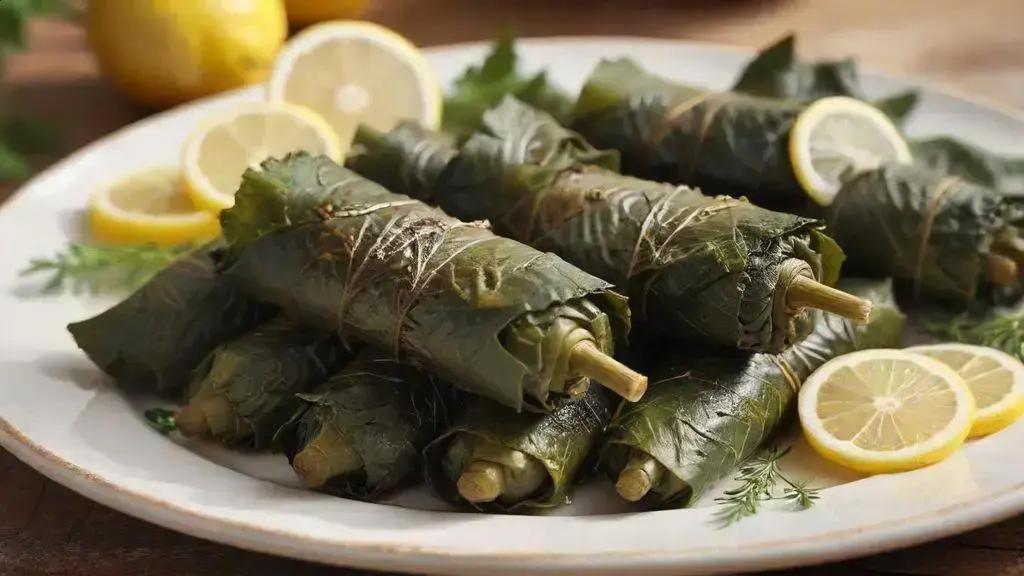
stuffed grape leaves
Stuffed grape leaves with aromatic herbs and rice bring a lighter, protein-rich Mediterranean classic to your table. Discover the recipe!
Ingredients
Method
Preparing the Filling
- In a large bowl, combine rice, shredded chicken breast, onion, parsley, mint, dill, olive oil, lemon juice, salt, and pepper. Mix everything well so the flavors are evenly distributed.
Preparing the Grape Leaves
- If using jarred grape leaves, rinse thoroughly with cold water to remove excess brine, then pat dry. If using fresh grape leaves, blanch in boiling water for 2 minutes until soft, then drain and let cool.
Stuffing and Rolling the Leaves
- Lay a grape leaf shiny side down on a cutting board. Place about 1 tablespoon of filling near the stem end.
- Fold the sides over the filling, then roll up tightly from the stem to the tip. Repeat with remaining leaves and filling.
Cooking the Stuffed Grape Leaves
- Line the bottom of a large pot with a few unused or torn grape leaves to prevent sticking.
- Arrange the stuffed grape leaves seam side down tightly in rows in the pot.
- Top with lemon slices and pour vegetable broth over the rolls.
- Place a heatproof plate on top to keep the rolls in place during cooking.
- Bring to a boil, then reduce to a simmer. Cover and cook for 40-45 minutes, until the rice is fully cooked and the leaves are tender.
Serving
- Let the stuffed grape leaves cool slightly, then transfer to a serving platter. Garnish with extra lemon slices and fresh herbs if desired.
Notes
Stuffed grape leaves, or Dolmas, are classic in Mediterranean cuisine, loved for their delicate balance of flavors and versatile serving options. Whether served warm or chilled, they make an elegant appetizer or a satisfying light main course. Their popularity comes from the ability to adapt the filling to your preference—perfect for vegetarians, protein seekers, and anyone eager for a fresh, aromatic bite.
Practical Tips for Perfect Dolmas
- Handling grape leaves: If your leaves are from a jar, always rinse them well to remove excess saltiness. For fresh leaves, a quick blanch in boiling water transforms them from tough to tender, which helps them roll without tearing.
- Controlling the rice texture: Wash the rice thoroughly before mixing to remove excess starch. This ensures fluffy grains instead of sticky clumps inside your rolls.
- Don’t overfill: A tablespoon of filling is ideal—overstuffing can cause the leaves to split, especially as the rice expands during cooking.
- Keep things tight: Roll the leaves snugly for a uniform shape and so they hold together during cooking. Use torn or extra leaves to line your pot’s bottom as a buffer—they help prevent scorching.