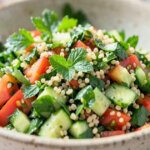
Cultural traditions behind the Mediterranean diet shape its focus on fresh, seasonal foods, communal meals, and mindful eating, reflecting ancient practices and trade influences that promote balanced, healthy living.
Understanding cultural traditions behind the Mediterranean diet opens a door to more than just food — it reveals a lifestyle rooted in history and shared habits. Have you ever wondered why this diet feels so much more than a list of ingredients?
Origins of the Mediterranean diet in ancient cultures
The origins of the Mediterranean diet trace back thousands of years, rooted in the agricultural practices and food availability of ancient civilizations such as the Greeks, Romans, and Egyptians. These cultures valued fresh, local ingredients like olives, grapes, wheat, and fish, which formed the basis of their daily meals. Olive oil, for example, was not only a staple fat source but also held symbolic and medicinal significance in many communities.
Ancient agricultural techniques favored sustainability, with communities relying on seasonal harvests and minimal processing. The diet naturally emphasized plant-based foods, including plenty of vegetables, legumes, and fruits, reflecting the landscape of the Mediterranean basin. This connection to the land shaped food choices and highlighted the importance of balance and variety over time.
Moreover, cultural rituals involving food preparation and sharing were deeply embedded in daily life. Meals were social events that reinforced family and community bonds, further enriching the diet’s cultural significance. These traditions helped transmit knowledge and respect for foods that were both nourishing and culturally meaningful.
In summary, the Mediterranean diet is more than just the foods themselves—it is a reflection of ancient cultures’ relationship with their environment, community, and health-focused traditions that persist today.
How cultural rituals influence Mediterranean eating habits
Cultural rituals have a strong influence on Mediterranean eating habits, shaping how food is prepared, served, and enjoyed. These practices go beyond nutrition; they create a social experience where meals become moments of connection among family and friends. For example, the tradition of sharing dishes encourages a sense of community, fostering togetherness and communication during mealtime.
Meal times are often seen as sacred periods to slow down and appreciate food and company. In many Mediterranean cultures, eating slowly and savoring every bite is common, promoting better digestion and satisfaction. Such rituals emphasize mindfulness and respect for food, contrasting with fast-paced modern eating habits.
Religious and seasonal celebrations also influence the foods consumed and their preparation methods. Many dishes are steeped in symbolism, linked to festivals or agricultural cycles. This connection to tradition ensures that recipes and techniques are passed down through generations, preserving cultural identity.
In addition, the use of locally sourced ingredients and traditional cooking methods, such as grilling or slow-cooking over wood fires, reflect respect for nature and heritage. These culinary customs not only enhance flavors but also maintain the nutritional quality of the food.
Overall, Mediterranean eating habits are deeply linked to cultural rituals that emphasize community, mindfulness, and continuity with the past, making the diet a living tradition rather than just a list of foods.
Role of communal meals in Mediterranean traditions
Communal meals are at the heart of Mediterranean traditions, serving as moments to strengthen family ties and community bonds. Sharing food around a table creates a sense of belonging, where conversation and connection matter as much as the dishes themselves. This practice is often seen in celebrations, religious holidays, and everyday life.
The role of communal dining extends beyond nutrition; it fosters a relaxed atmosphere, encouraging people to eat slowly, enjoy the flavors, and engage socially. This helps reduce stress and improves digestion, aligning with the Mediterranean emphasis on a balanced lifestyle.
Meals usually feature a variety of dishes placed in the center, inviting everyone to partake and share. This style encourages diversity in food choices and allows for dietary flexibility, which is a key feature of the Mediterranean diet. It also reflects the value placed on hospitality and generosity.
In many Mediterranean cultures, children learn about food, manners, and cultural heritage through these shared meals. The practice promotes respect for tradition and the importance of nurturing relationships through food.
Overall, communal meals are a cultural cornerstone, emphasizing connection, mindfulness, and the joy of eating together, making the Mediterranean diet both a nutritional and social experience.
Impact of historical trade routes on Mediterranean cuisine
Historical trade routes significantly shaped Mediterranean cuisine by introducing new ingredients, spices, and cooking techniques from diverse cultures. The Mediterranean basin was a hub for trade connecting Europe, Asia, and Africa, allowing for the exchange of goods and culinary ideas.
Spices like cinnamon, saffron, and pepper arrived through ancient trading networks, enriching local flavors and creating a unique blend of tastes that define the Mediterranean palate. Ingredients such as rice, sugar, and citrus fruits were also introduced and became staples in many traditional recipes.
Trade facilitated not only the spread of foods but also of agricultural knowledge. Farmers adapted foreign crops and methods to their local environments, which led to greater variety and food security.
The exchange between different cultures fostered innovation in Mediterranean cooking, blending practices from the Middle East, North Africa, and Southern Europe. This rich culinary fusion is evident in dishes that combine exotic spices with regional produce like olives, tomatoes, and fish.
The impact of historical trade routes continues to influence Mediterranean cuisine today, highlighting how interconnected cultures have shaped this diet’s rich flavors and diversity.
Seasonal and regional food traditions in the Mediterranean
Seasonal and regional food traditions are essential to the Mediterranean diet, reflecting the area’s diverse climate and geography. Different regions across the Mediterranean basin have unique ingredients and recipes based on what is locally available and in season during various times of the year.
Seasonality drives food choices, encouraging the consumption of fresh fruits, vegetables, and herbs when they are naturally ripe. This approach not only enhances flavor but also supports sustainability by reducing the need for long-distance transport and preserving local ecosystems.
Regional variations add rich diversity to the Mediterranean diet. Coastal areas often feature fresh seafood and salt-tolerant crops, while inland regions rely more on grains, legumes, and olive oil. Each area’s culinary practices have evolved to make the best use of native ingredients, creating a vibrant mosaic of flavors and textures.
Traditional dishes often change with the seasons, incorporating ingredients like artichokes in spring or pomegranates in winter. This dynamic use of ingredients keeps the diet interesting and balanced throughout the year.
Respect for the environment and cultural heritage is central to these food traditions, which have been passed down through generations, preserving both flavor and the health benefits tied to seasonal eating.
Lessons from Mediterranean habits for modern healthy living
The Mediterranean diet offers valuable lessons for modern healthy living, centered around balance, variety, and enjoyment of food. Its focus on fresh, unprocessed ingredients like fruits, vegetables, whole grains, and healthy fats like olive oil shows the importance of natural nutrition in supporting long-term health.
Incorporating Mediterranean habits such as eating with others, savoring meals slowly, and respecting seasonal foods can help reduce stress and improve digestion. These lifestyle practices emphasize mindfulness and connection, which contribute to overall well-being.
Limiting red meat consumption and favoring fish and plant-based proteins aligns with modern dietary guidelines to promote heart health and reduce chronic disease risks. Additionally, regular physical activity, another Mediterranean habit, complements dietary choices for a holistic healthy lifestyle.
Adopting these habits does not require drastic change but encourages sustainable adjustments that can fit diverse lifestyles. For example, replacing butter with olive oil, choosing nuts for snacks, and enjoying fresh produce daily are simple steps toward healthier eating.
Overall, Mediterranean traditions highlight that healthy living is more than a diet; it’s a cultural approach that integrates food, social interaction, and mindful choices to enhance quality of life.
Embracing Mediterranean traditions for a healthier life
The Mediterranean diet and its cultural traditions offer more than just tasty food—they provide a valuable guide to living well. By focusing on fresh, natural ingredients and sharing meals with others, this way of eating supports physical health and social well-being.
Incorporating these habits into your daily life can help you enjoy food more, reduce stress, and promote long-term wellness. Simple changes like choosing olive oil over butter or sitting down to eat with family can make a big difference.
Ultimately, the Mediterranean approach reminds us that healthy living is about balance, community, and mindfulness. Adopting these elements can lead to a richer, more fulfilling lifestyle.
FAQ – Cultural Traditions Behind the Mediterranean Diet
What is the Mediterranean diet based on?
The Mediterranean diet is based on fresh, local ingredients like fruits, vegetables, olive oil, whole grains, and fish, emphasizing balance and variety.
How do cultural rituals influence Mediterranean eating habits?
Cultural rituals promote sharing meals socially, eating slowly, and respecting seasonal and traditional foods, enhancing both the enjoyment and health benefits of the diet.
Why are communal meals important in Mediterranean culture?
Communal meals strengthen family and community bonds, encourage mindful eating, and create social connections that are central to Mediterranean traditions.
How did historical trade routes impact Mediterranean cuisine?
Trade routes introduced spices, fruits, and cooking techniques from different cultures, enriching the flavors and diversity of Mediterranean dishes.
What role do seasonal and regional foods play in the Mediterranean diet?
Seasonal and regional foods ensure meals are fresh and sustainable, with variations reflecting local climates and traditions that keep the diet diverse and healthy.
What lessons can modern living take from Mediterranean habits?
Modern living can benefit from eating fresh, seasonal foods, sharing meals with others, choosing healthy fats like olive oil, and adopting mindful eating and physical activity.