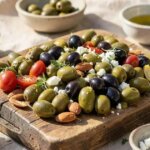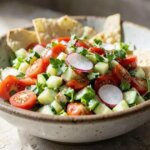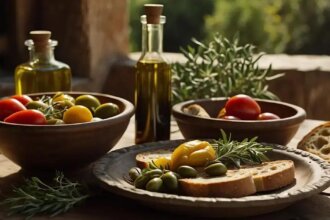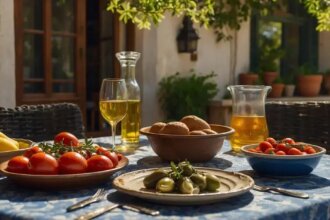
Daily Practices in Mediterranean living emphasize fresh whole foods, social meals, natural physical activity, and mindful rest to create a balanced, healthy, and enjoyable lifestyle.
Daily Practices in the Mediterranean lifestyle show us how food and routine blend into a daily rhythm that supports health and happiness. Have you ever wondered why these habits stick around for so long? Let’s take a look at how these small, everyday actions might inspire your own living.
understanding mediterranean daily habits
The Mediterranean daily habits are deeply rooted in traditions that promote a balanced and healthy lifestyle. These practices include a strong connection with nature, valuing fresh and local ingredients, and prioritizing family and social interactions. One of the most distinctive features is the Mediterranean diet, which focuses on whole foods like vegetables, fruits, nuts, legumes, whole grains, and olive oil.
Focus on Simplicity and Moderation
Simplicity guides meal preparation and daily routines, avoiding processed foods and overindulgence. Meals are seen as moments to connect and enjoy, rather than just nutrition. Moderation plays a key role, encouraging people to eat enough to nourish but not to excess.
Rhythm of Daily Life
Daily life in Mediterranean cultures often follows natural rhythms. Many start the day with a light breakfast, followed by a larger, more social lunch, and a lighter dinner. This rhythm supports digestion and energy use throughout the day. Physical activities like walking or gardening are common and integrated seamlessly into routines.
Community and Mindfulness
Sharing meals with family or friends strengthens social bonds and encourages mindfulness about food and well-being. Taking time to eat slowly and enjoy the company can improve digestion and mental health, emphasizing quality over quantity.
key foods in the mediterranean diet
The Mediterranean diet is celebrated worldwide for its focus on nutrient-rich, whole foods that contribute to longevity and well-being. Central to this diet are fresh vegetables and fruits, which provide essential vitamins, minerals, and fiber. Olive oil, especially extra virgin, is the primary fat source, known for its heart-healthy properties.
Staple Ingredients
Legumes like chickpeas, lentils, and beans are key protein sources that also supply fiber. Whole grains such as barley, oats, and whole wheat form the basis of many meals. Nuts and seeds are consumed regularly but in moderate amounts, offering healthy fats and antioxidants.
Seafood and Dairy
Fish and seafood, rich in omega-3 fatty acids, are preferred over red meats and eaten often, at least twice a week. Dairy mainly comes from yogurt and cheese, consumed in moderate quantities, supporting digestion and calcium intake.
Herbs and Natural Flavorings
Fresh herbs like basil, oregano, and rosemary enhance flavor while reducing the need for salt. Garlic and onions are also common, contributing to both taste and health benefits.
role of meal timing and social eating
Meal timing plays a significant role in Mediterranean daily practices, emphasizing balance and social connection. Typically, the largest meal of the day is lunch, often shared with family or friends, providing a moment to rest and engage in meaningful conversation. This practice not only nourishes the body but also supports emotional well-being.
Importance of Social Eating
Eating together is a cherished tradition that brings people closer. It encourages slower eating, which aids digestion and helps recognize fullness cues. Meals become a time for bonding rather than a rush to satisfy hunger.
Light Breakfast and Dinner
Breakfast tends to be light, often consisting of fresh fruit, yogurt, or bread with olive oil. Dinner is usually lighter than lunch, promoting better sleep and digestion. This distribution of food intake aligns with the body’s natural rhythms.
Mindful Eating
The Mediterranean approach values savoring each bite, using all senses to experience meals fully. This mindfulness reduces overeating and increases enjoyment, making meals a moment of pleasure and health.
incorporating physical activity into daily life
Physical activity is an essential part of Mediterranean daily living, woven naturally into everyday routines rather than seen as a separate exercise session. Walking is the most common activity, with people often choosing stairs over elevators and strolling through their neighborhoods or markets.
Active Lifestyle
Daily movement includes gardening, household chores, and engaging in outdoor social activities. These actions keep the body moving gently but consistently, supporting cardiovascular health and maintaining flexibility.
Community and Outdoors
Many Mediterranean cultures value spending time outdoors. Group activities like dancing, walking with friends, or playing informal sports create a sense of community while encouraging regular physical activity.
Balance and Enjoyment
The focus is on enjoyment and balance rather than intense workouts. This approach makes physical activity approachable and sustainable, benefiting both physical health and mental well-being.
importance of rest and mindfulness
In Mediterranean living, rest and mindfulness are integral parts of daily routines. Taking time to relax after meals, often through a short nap or quiet reflection, helps the body recover and supports digestion. This pause in the day encourages mental calmness and reduces stress.
Mindful Practices
People practice mindfulness by being present in the moment, whether during meals, walks, or simple tasks. This awareness fosters gratitude, improves mood, and deepens connections with surroundings and others.
Balanced Work and Leisure
The Mediterranean lifestyle values balance between productivity and leisure. Evenings are often reserved for calm activities like storytelling, music, or gentle socializing, promoting restful sleep and overall well-being.
The Role of Nature
Spending time outdoors, in gardens or by the sea, enhances mindfulness. Nature offers a peaceful setting that encourages relaxation and refreshes the mind and body.
adapting mediterranean practices to your routine
Adapting Mediterranean practices to your routine involves embracing key principles in a way that fits your lifestyle. Start by incorporating more fresh vegetables, fruits, and whole grains into your meals. Using olive oil instead of other fats can make a significant health difference.
Make Time for Social Meals
Try to share meals with family or friends whenever possible. Even simple meals can become meaningful when enjoyed together, fostering connection and relaxation.
Integrate Movement Naturally
Find opportunities to be active during your day, like taking short walks, using stairs, or doing light gardening. This gentle integration supports health without requiring intense workouts.
Practice Mindfulness and Rest
Set aside moments to unwind and be present. This could be enjoying a quiet cup of tea, practicing deep breathing, or spending time in nature to reduce stress and boost well-being.
Adapting these daily practices gradually can create lasting changes that improve your health and happiness without overwhelming your schedule.
Bringing Mediterranean daily practices into your life
Embracing Mediterranean daily practices can boost your health and happiness in simple, enjoyable ways. By focusing on fresh foods, social meals, natural movement, and mindful rest, you create a balanced and fulfilling routine.
Start small and make gradual changes that fit your lifestyle. This approach helps you maintain new habits without stress, leading to lasting benefits over time.
Remember, the key is enjoying the process and connecting with others along the way. These daily changes can make a big difference to your well-being and overall quality of life.
FAQ – Common questions about daily practices in Mediterranean living
What are the core foods in the Mediterranean diet?
The Mediterranean diet centers on fresh vegetables, fruits, whole grains, olive oil, legumes, nuts, fish, and moderate amounts of dairy and poultry.
How important is meal timing in Mediterranean living?
Meal timing is key, with a larger midday meal shared with family or friends, lighter breakfast and dinner to support digestion and energy levels.
Why is social eating emphasized in Mediterranean culture?
Social eating strengthens relationships, encourages slower eating, and makes meals more enjoyable and beneficial for digestion and mental health.
How can I incorporate physical activity into a busy daily routine?
Integrate gentle activities like walking, gardening, or taking stairs naturally into your day instead of intense workouts for lasting health benefits.
What role does mindfulness play in Mediterranean daily habits?
Mindfulness encourages being present in the moment during meals and rest, reducing stress and enhancing overall well-being.
How can I adapt Mediterranean practices to my own lifestyle?
Start by adding more fresh, whole foods, sharing meals socially, being active in simple ways, and making time for rest and mindfulness gradually.