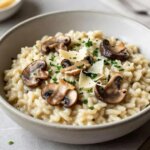
Family meals in Mediterranean cultures emphasize fresh, shared dishes and relaxed, communal eating that strengthen family bonds, preserve traditions, and reflect diverse regional practices adapted to modern life.
Family Meals carry deep significance in Mediterranean cultures, weaving together tradition, social bonds, and daily life. Ever wondered how these meals shape relationships and reflect cultural values? Let’s dive into what makes these gatherings so special.
the importance of family meals in mediterranean societies
Family meals in Mediterranean societies are more than just daily routines; they are vital social rituals that strengthen bonds among family members. These gatherings provide a regular opportunity to connect, share stories, and support each other emotionally. The tradition often extends beyond nuclear families, involving extended relatives, which fosters a strong sense of community and belonging.
In many Mediterranean cultures, mealtime is deliberately unhurried, emphasizing the quality of interaction over the speed of eating. This relaxed atmosphere encourages conversation and laughter, making meals a central part of family life. Children learn social values, respect, and cultural traditions during these shared moments, passing them down through generations.
The emphasis on fresh, home-cooked dishes using local ingredients reflects the Mediterranean lifestyle’s focus on health and well-being. Sharing food is often seen as an act of love and hospitality, reinforcing emotional ties and cultural identity. In essence, family meals act as a cornerstone for maintaining tradition, fostering relationships, and promoting a healthy, balanced lifestyle.
typical structure of mediterranean family meals
The typical structure of Mediterranean family meals follows a well-established sequence that balances variety and communal sharing. Meals often start with light appetizers such as olives, cheese, or fresh bread, setting a relaxed tone for what is to follow. These starters serve not only to stimulate the appetite but also to encourage conversation among family members.
Main courses are usually composed of fresh, seasonal ingredients like vegetables, seafood, and lean meats, prepared with simple, healthy methods such as grilling or stewing. These dishes are served family-style, inviting everyone to share and pass plates around the table, fostering a sense of unity and connection.
Side dishes such as salads or legumes often complement the main plates, adding color and texture to the meal. Dessert is typically light and may include fresh fruit, yogurt, or pastries made with nuts and honey, reflecting the region’s culinary traditions.
Throughout the meal, wine or herbal teas may be enjoyed, enhancing the dining experience without overpowering the food. This structure emphasizes not only nourishment but also the ritual of eating together, where the pace is slow, conversation flows freely, and family members reconnect.
social and cultural meanings behind meal gatherings
Meal gatherings in Mediterranean cultures carry deep social and cultural meanings that go beyond merely sharing food. They are occasions where family members express love, respect, and solidarity. These meals often symbolize unity and tradition, reinforcing social bonds that are vital to community life.
In many Mediterranean societies, food is seen as a way to nurture relationships. Sharing a meal means opening one’s home and heart, highlighting values like hospitality and generosity. Such gatherings often include rituals, like saying grace or toasting, which add meaning and connect participants to their heritage.
The passing of dishes and the communal style of eating emphasize equality and cooperation. Every participant has a role, whether serving, preparing, or simply enjoying the food. Through these interactions, family members and friends strengthen their sense of identity and belonging.
Moreover, these meals often mark important social events such as holidays, weddings, or religious celebrations, making food an essential part of cultural expression. The shared experience builds memories and ensures that traditions are passed down through generations.
how meal practices differ across mediterranean countries
Meal practices vary widely across Mediterranean countries, reflecting diverse histories, climates, and local ingredients. In Italy, for example, meals often start with antipasti, followed by pasta dishes and a main course, emphasizing a multi-course dining experience. Italians also value leisurely meals, where conversation plays a key role. In Greece, meals often feature fresh vegetables, olive oil, and grilled meats, with strong emphasis placed on sharing dishes called “meze”. These small plates encourage communal eating and social interaction.
Spain is famous for its tapas culture, where small, flavorful dishes are enjoyed in a casual setting, often accompanied by wine or beer. The meal might extend over several hours, highlighting both the food and social experience. In coastal areas, seafood is especially prominent in the diet.
In Morocco, meals typically revolve around a communal dish like tagine or couscous, served with bread. Eating with hands is common, symbolizing connection and tradition. Hospitality is a central value, and guests are warmly welcomed with generous portions.
Although practices differ, Mediterranean meal traditions consistently emphasize fresh, local ingredients, slow eating, and the importance of connection. Each country’s customs enrich the broader Mediterranean food culture while maintaining unique flavors and rituals.
impact of modernization on traditional family meals
The impact of modernization on traditional family meals in Mediterranean cultures has been significant, reshaping how and when families gather to eat. With faster-paced lifestyles and increased urbanization, the once unhurried, multi-course meals have often been compressed or replaced by quicker, more individual dining experiences.
Technology and work demands contribute to this shift, as many family members juggle professional and social commitments, reducing the time available for extended meals. The rise of fast food and convenience meals also challenges traditional cooking practices, changing what is served on the table.
Despite these changes, many families strive to preserve the core value of shared meals by adapting traditions. Weekend gatherings or special occasions often remain moments where the family prioritizes being together, emphasizing connection over convenience.
Efforts to maintain tradition can be seen in the growing interest in cooking classes, local food markets, and initiatives promoting slow food and cultural heritage. These trends reflect a desire to keep Mediterranean meal customs alive amid modernization pressures.
tips to recreate mediterranean family meal traditions
To recreate Mediterranean family meal traditions, start by focusing on fresh, simple ingredients like seasonal vegetables, olive oil, and fresh bread. Preparing meals from scratch encourages shared participation and appreciation for cooking.
Set a relaxed atmosphere by dining together without distractions such as phones or TVs. Use the opportunity to engage in conversation and enjoy each other’s company, just like Mediterranean families do.
Serve food family-style, placing dishes in the center of the table for everyone to share. This fosters a sense of community and connection.
Incorporate cultural elements like traditional recipes or rituals, such as starting the meal with a toast or blessing. Experiment with foods like grilled seafood, fresh salads, or simple pasta dishes to capture the authentic flavors.
Make mealtime a regular, intentional event by planning meals around shared times, especially during weekends or holidays when family members can slow down.
Above all, prioritize the values of hospitality, togetherness, and mindful eating to truly embrace Mediterranean family meal traditions in your own home.
Embracing the essence of Mediterranean family meals
Understanding the rich traditions and meanings behind family meals in Mediterranean cultures highlights their role in building strong bonds and fostering connection. Despite modernization, the core values of sharing, hospitality, and togetherness remain vital.
By adopting simple practices like cooking fresh meals, eating together without rush, and sharing dishes, anyone can bring a touch of Mediterranean warmth into their home. These moments offer more than nutrition—they create lasting memories and strengthen relationships.
In a fast-paced world, prioritizing family meals is a meaningful way to maintain cultural heritage and enjoy quality time with loved ones. Embracing these traditions can enrich daily life and bring joy to families everywhere.
FAQ – Common Questions About Family Meals in Mediterranean Cultures
Why are family meals important in Mediterranean cultures?
Family meals are vital for strengthening social bonds, sharing traditions, and fostering emotional connections among family members.
What is the typical structure of a Mediterranean family meal?
Meals usually begin with appetizers, followed by main courses served family-style, side dishes, and light desserts, encouraging sharing and conversation.
How do meal practices differ across Mediterranean countries?
While all emphasize fresh, local ingredients and communal eating, countries vary in dishes and rituals, like Italian antipasti, Greek meze, Spanish tapas, or Moroccan tagines.
How has modernization affected traditional Mediterranean family meals?
Modern life often shortens meal times and increases convenience food, but many families still prioritize shared meals during weekends and special occasions.
What social values do Mediterranean family meals promote?
They emphasize hospitality, togetherness, equality, and cultural identity, often involving shared dishes and rituals that reinforce these bonds.
How can I recreate Mediterranean family meal traditions at home?
Use fresh, seasonal ingredients, serve food family-style, create a relaxed atmosphere free of distractions, and focus on sharing and conversation during meals.