Fruits in the Mediterranean diet provide natural sugars, essential vitamins, fiber, and antioxidants that support heart health, digestion, and overall well-being when consumed daily and seasonally.
Fruits are more than just sweet treats in the Mediterranean diet—they’re a key source of natural sugars and nutrients. Ever wondered how daily fruit habits fit into a healthy lifestyle? Let’s dive in and explore their role together.
role of fruits in the mediterranean diet
The role of fruits in the Mediterranean diet is fundamental, providing essential vitamins, minerals, and natural sugars that fuel the body in a balanced way. Fruits are a primary source of energy and antioxidants, which help combat inflammation and support overall health.
In this diet, fruits are consumed fresh and often daily, contributing to the characteristic variety and color on the plate. They offer natural sweetness without the added sugars found in processed foods, making them a healthier alternative.
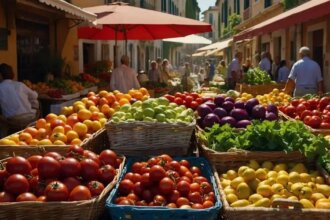
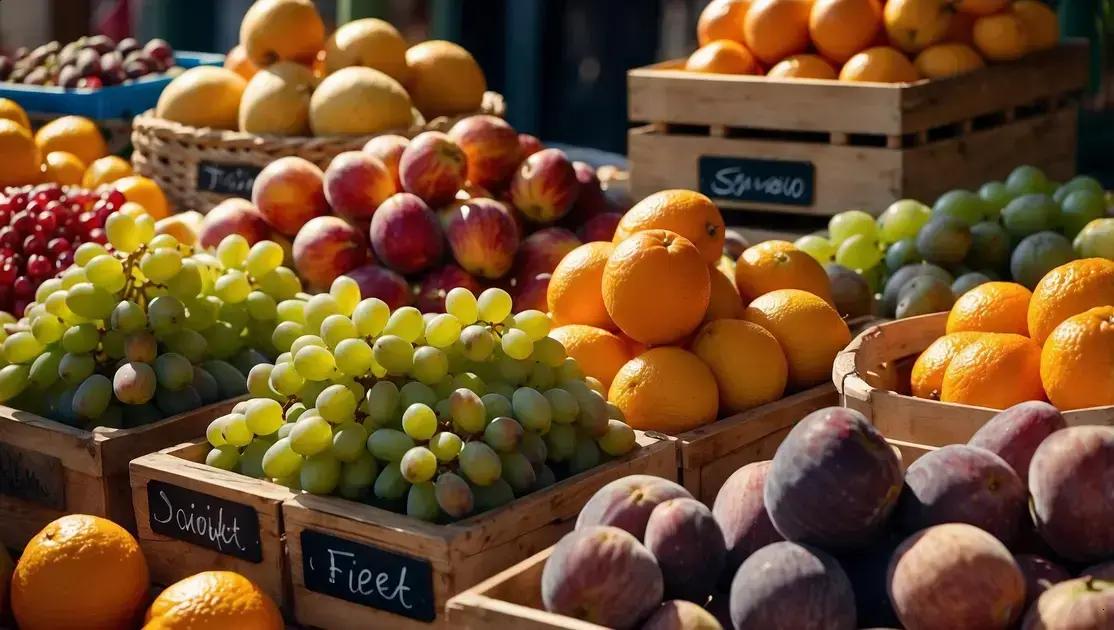
Common fruits in the Mediterranean diet include figs, grapes, oranges, pomegranates, and dates. These fruits are often eaten as snacks, desserts, or incorporated into salads and main dishes to enhance flavor and nutrition.
Eating fruits regularly supports heart health, aids digestion with their fiber content, and helps maintain stable blood sugar levels due to their natural sugar composition combined with fiber.
Overall, fruits are not just an addition but a central pillar of the Mediterranean diet’s success in promoting longevity and well-being.
understanding natural sugars in fruits
Natural sugars found in fruits mainly include fructose, glucose, and sucrose. These sugars provide a quick source of energy, but unlike added sugars, they come packed with fiber, vitamins, and minerals that slow sugar absorption and offer health benefits.
Fructose is the most common sugar in fruits, giving them their sweet taste. It is metabolized differently than glucose and has a lower impact on blood sugar levels when consumed in whole fruits with fiber.
Glucose and sucrose also play roles in energy production but are balanced by the fruit’s natural components. This balance helps prevent spikes in blood sugar that are common with processed sugars.
Eating whole fruits rather than fruit juices or sugary snacks is important because fiber in fruits moderates sugar absorption, supporting stable energy and reducing cravings.
Understanding how these natural sugars work helps explain why fruits are a healthy choice and an essential part of diets like the Mediterranean diet.
daily fruit consumption recommendations
Daily fruit consumption is key to a balanced Mediterranean diet. Experts generally recommend eating at least 3 to 5 servings of fruits each day. This helps provide the body with vital nutrients, fiber, and natural sugars for energy.
One serving typically equals one medium fruit like an apple or orange, half a cup of fresh berries, or a small banana. Varying your fruit intake ensures you get a wide range of vitamins and antioxidants.
Tips for meeting daily fruit goals
Try adding fruit to breakfast with a bowl of berries or sliced banana on yogurt. Keep fruits like apples and oranges handy for quick snacks. Incorporate fruits into salads or desserts for added sweetness without refined sugars.
Remember, fresh, whole fruits are preferred over juices or dried fruits that may contain added sugars and less fiber. Balancing fruit intake throughout the day helps maintain steady blood sugar levels and supports digestion.
health benefits beyond natural sugars
Fruits in the Mediterranean diet offer more than just natural sugars. They are packed with antioxidants, vitamins, and fiber that contribute to overall health. These compounds help reduce inflammation and protect the body from chronic diseases such as heart disease and diabetes.
Fiber in fruits supports digestion and promotes a healthy gut. It also aids in maintaining stable blood sugar levels by slowing the absorption of sugars into the bloodstream.
Many fruits are rich in vitamin C and potassium, which boost the immune system and support heart health. For example, oranges provide antioxidants that help fight free radicals, reducing oxidative stress.
Additionally, fruits contain phytochemicals like flavonoids and carotenoids that play a role in lowering the risk of some cancers and improving brain function. Regular fruit consumption has been linked to better mental health and cognitive performance.
All these benefits make fruits a cornerstone of the Mediterranean diet, going far beyond their natural sugars to promote long-term well-being.
choosing seasonal and local fruits
Choosing seasonal and local fruits is a smart way to maximize flavor, nutrition, and environmental benefits. Seasonal fruits are harvested when they are at their freshest and have the highest nutrient content.
Local fruits reduce the distance food travels, which means fewer emissions and a smaller carbon footprint. Supporting local farmers also boosts the community economy and ensures fresher produce.
When fruits are in season, they tend to be more affordable and taste better. For example, berries in the summer and citrus fruits in the winter are typically at their peak during these times.
Buying local and seasonal fruits often means consuming fewer pesticides and chemicals, as these fruits are grown in optimal conditions without needing excessive protection.
Visiting farmers’ markets or joining community-supported agriculture (CSA) programs are great ways to find fresh, seasonal fruits. This also encourages a deeper connection to the food you eat.
tips for incorporating more fruits daily
Incorporating more fruits into your daily diet can be simple and enjoyable. Start by keeping fresh fruits visible and within reach, such as a bowl of apples or bananas on your kitchen counter.
Try adding fruit to meals—place berries on your cereal or yogurt and include sliced fruits in salads for natural sweetness and extra nutrients.
Snacking on fruits instead of processed snacks is another effective way to increase intake. Keep portable fruits like grapes, cherries, or apple slices ready for quick snacks.
Experiment with smoothies by blending your favorite fruits with yogurt or plant-based milk for a tasty and nutritious drink.
Meal prepping by washing and cutting fruits in advance saves time and encourages healthy choices throughout the week.
Lastly, explore new fruits regularly to keep your diet exciting and varied, which helps you sustain healthy eating habits.
Wrapping up the importance of fruits in the Mediterranean diet
Fruits are a vital part of the Mediterranean diet, providing natural sugars, vitamins, and fiber that support overall health. Eating a variety of fresh, seasonal, and local fruits daily ensures you gain the most benefits and enjoy great taste.
Incorporating fruits into your meals and snacks is easy and can improve your energy and well-being. Understanding the role of natural sugars and health benefits beyond sweetness helps make fruits an essential choice for a balanced diet.
By choosing seasonal produce and using simple tips to add more fruits to your day, you can embrace a healthy lifestyle that lasts.
FAQ – Common Questions About Fruits in the Mediterranean Diet
Why are fruits important in the Mediterranean diet?
Fruits provide essential vitamins, fiber, and natural sugars that support overall health and are a key part of the Mediterranean diet.
How many servings of fruit should I eat daily?
It is recommended to eat at least 3 to 5 servings of fruits daily to ensure you get enough nutrients and energy.
What are natural sugars in fruits?
Natural sugars include fructose, glucose, and sucrose, which provide energy with fiber and nutrients that help regulate blood sugar levels.
Why choose seasonal and local fruits?
Seasonal and local fruits are fresher, more nutritious, often more affordable, and have a lower environmental impact due to reduced transportation.
How can I incorporate more fruits into my daily diet?
Try adding fruits to meals like breakfast cereals or salads, snack on fresh fruits, make smoothies, and keep fruits visible to encourage consumption.
Are the health benefits of fruits only from their sugar content?
No, fruits offer benefits beyond natural sugars, including antioxidants, vitamins, fiber, and phytochemicals that promote heart health and reduce inflammation.