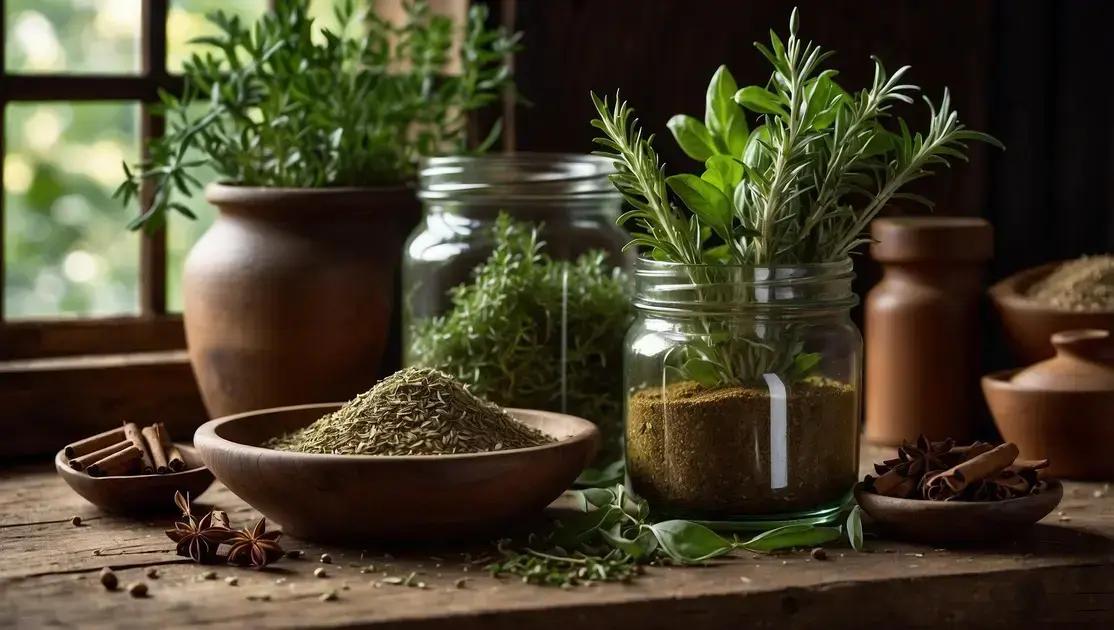
Herbs and spices in the Mediterranean diet enhance flavor and health by providing antioxidants, reducing inflammation, supporting heart health, and offering natural alternatives to salt while requiring allergy awareness.
Herbs spices play a subtle yet powerful role in the Mediterranean diet, enhancing flavor while delivering antioxidants. Ever wondered how these humble ingredients impact your meals and health? Let’s explore together.
the role of herbs and spices in mediterranean cuisine
Herbs and spices are essential to Mediterranean cuisine, providing much more than just flavor. They add aromatic complexity and depth to dishes, turning simple ingredients into vibrant, memorable meals. Common herbs like oregano, basil, and rosemary are staples, enhancing everything from salads and soups to grilled meats and seafood.
Enhancing flavor naturally
By using herbs and spices, Mediterranean cooks rely less on salt and fat, creating healthier dishes without sacrificing taste. For example, fresh basil adds a sweet, peppery note to tomato sauces, while dried oregano brings a warm, slightly bitter layer to roasted vegetables.
Cultural and regional significance
Each Mediterranean country has its unique blend of herbs and spices that reflect local agriculture and traditions. Rosemary is beloved in Italy and Greece for roasted lamb, while North African Mediterranean dishes often include cumin and coriander for a fragrant touch.
Preserving freshness and nutrition
Many Mediterranean recipes call for fresh herbs added at the end of cooking to preserve essential oils and antioxidants. These compounds contribute not only to flavor but also to health benefits like reducing inflammation and fighting oxidative stress.
Overall, herbs and spices serve as the heart of Mediterranean cooking, influencing taste profiles and enhancing both health and enjoyment in every bite.
key antioxidants found in mediterranean herbs and spices
Mediterranean herbs and spices are rich sources of antioxidants, compounds that help protect the body from damage caused by free radicals. Many herbs like rosemary, thyme, and oregano contain high levels of polyphenols, which are powerful antioxidants linked to reduced inflammation and improved heart health.
Rosemary and its benefits
Rosemary contains carnosic acid and rosmarinic acid, both known for their antioxidant and anti-inflammatory properties. These components help protect cells and may support brain health.
Oregano and thymol
Oregano is packed with thymol and carvacrol, compounds that not only add a bold flavor but also exhibit strong antioxidant activity. These substances can help fight oxidative stress and support immune function.
Turmeric and curcumin
Though less traditional in some parts of the Mediterranean, turmeric’s active ingredient, curcumin, is celebrated for its antioxidant strength. It is commonly used in Mediterranean-inspired dishes to boost both flavor and health benefits.
Adding these herbs and spices regularly to your meals is a simple way to increase your intake of antioxidants, contributing to overall wellness in the Mediterranean diet.
how herbs and spices contribute to mediterranean diet health benefits
Herbs and spices play a crucial role in delivering the many health benefits associated with the Mediterranean diet. They are packed with antioxidants, vitamins, and minerals that help reduce inflammation, improve heart health, and support the immune system.
Reducing inflammation
Many Mediterranean herbs such as turmeric, rosemary, and oregano contain compounds that can decrease chronic inflammation. Chronic inflammation is linked to diseases like arthritis, diabetes, and heart disease, so incorporating these spices can help mitigate health risks.
Supporting heart health
Herbs and spices also promote heart health by helping to lower blood pressure and cholesterol levels. Garlic, a common ingredient in Mediterranean recipes, contains allicin, which is known to improve circulation and reduce arterial plaque buildup.
Boosting antioxidant intake
Regular use of herbs and spices increases antioxidant intake, protecting cells from oxidative damage. This effect contributes to a lower risk of chronic diseases and contributes to healthy aging in Mediterranean populations.
Incorporating a variety of herbs and spices adds not only unique flavors but also enhances the overall nutritional profile of the Mediterranean diet, making meals both delicious and beneficial for long-term health.
common herbs and spices used in mediterranean cooking
Mediterranean cooking features a variety of common herbs and spices that define its bold and vibrant flavors. Basil is widely used, especially in Italian dishes, offering a fresh, slightly sweet aroma that pairs perfectly with tomatoes and olive oil. Oregano is another signature herb, known for its earthy and peppery taste, commonly sprinkled on grilled meats and salads.
Rosemary and thyme
Rosemary adds a pungent, pine-like flavor that works well with lamb, chicken, and roasted vegetables. Thyme carries a subtle lemony and minty flavor that enhances soups, stews, and fish dishes.
Other essential spices
Cumin and coriander are popular particularly in Mediterranean regions influenced by Middle Eastern cuisine, adding warmth and a slight nuttiness to dishes. Garlic, although technically a bulb, is often used like a spice, offering a sharp, pungent taste that forms the base of many Mediterranean sauces and marinades.
These herbs and spices not only enhance taste but also provide health benefits, making Mediterranean food both delicious and nourishing.
tips for incorporating herbs and spices into your meals
Incorporating herbs and spices into your meals is a simple way to boost flavor and add nutritional benefits. Start with fresh herbs like basil, parsley, or cilantro to brighten salads, soups, and sauces. Adding them at the end of cooking helps retain their vibrant flavors and nutrients.
Use dried herbs and spices wisely
Dried herbs and spices, such as oregano, thyme, and cumin, are great for longer cooking dishes like stews and roasts. Since their flavors are more concentrated, use smaller amounts and adjust to taste over time.
Experiment with blends and combinations
Try Mediterranean herb blends like herbes de Provence or za’atar to add complexity to your meals. Combining different flavors can create interesting taste profiles and keep meals exciting.
Keep herbs fresh and accessible
Grow your own herbs in pots or keep fresh ones in the fridge to always have them on hand. This encourages regular use and makes it easier to add a pinch of flavor to any dish.
By following these simple tips, you can effortlessly enhance your cooking with herbs and spices, making your Mediterranean-inspired meals flavorful and healthy.
potential considerations and allergies related to herbs and spices
While herbs and spices add delightful flavors and health benefits to Mediterranean dishes, it’s important to consider potential allergies and sensitivities. Some people may experience allergic reactions to certain herbs and spices, such as cinnamon, garlic, or coriander.
Common allergic reactions
Reactions range from mild symptoms like skin rashes and itching to more severe cases including swelling and difficulty breathing. Those with known allergies should carefully read ingredient labels and consult healthcare providers when trying new herbs or spices.
Cross-reactivity concerns
Some individuals allergic to certain pollens may also react to related herbs. For example, people allergic to birch pollen might experience oral allergy syndrome when consuming coriander or dill.
Interactions with medications
Certain spices like turmeric and garlic can interact with blood-thinning medications, potentially increasing bleeding risk. It’s wise to discuss supplement or diet changes with a healthcare professional if you take medication regularly.
Awareness and moderation are key when using herbs and spices, ensuring that everyone can enjoy the rich flavors of the Mediterranean diet safely.
Understanding herbs and spices in the Mediterranean diet
Herbs and spices are more than just flavor enhancers; they offer significant health benefits through antioxidants and anti-inflammatory properties. Including a variety of these natural ingredients can improve heart health, boost immunity, and reduce chronic inflammation.
While enjoying these flavorful additions, it is important to be mindful of allergies and possible interactions with medications. With careful use, herbs and spices can make Mediterranean meals both tasty and nourishing.
Embracing the use of herbs and spices is a simple step toward healthier, more satisfying meals inspired by the Mediterranean diet’s rich culinary tradition.
FAQ – Herbs and Spices in the Mediterranean Diet
What are the main health benefits of herbs and spices in the Mediterranean diet?
They provide antioxidants and anti-inflammatory compounds that support heart health, reduce inflammation, and boost the immune system.
Can herbs and spices cause allergic reactions?
Yes, some people may be allergic to certain herbs and spices like cinnamon, garlic, or coriander, which can cause symptoms ranging from mild to severe.
How can I incorporate herbs and spices into my meals effectively?
Use fresh herbs at the end of cooking for best flavor and dried spices in longer-cooked dishes. Experiment with blends and keep herbs fresh and accessible.
Are there any interactions between herbs, spices, and medications?
Yes, some herbs like turmeric and garlic can interact with blood-thinning medications. Consult your healthcare provider if you take medication regularly.
What are common herbs and spices used in Mediterranean cooking?
Basil, oregano, rosemary, thyme, cumin, coriander, and garlic are among the most commonly used in Mediterranean recipes.
How do herbs and spices contribute to reducing salt intake?
They add rich flavor to dishes naturally, allowing you to use less salt while maintaining tasty meals.