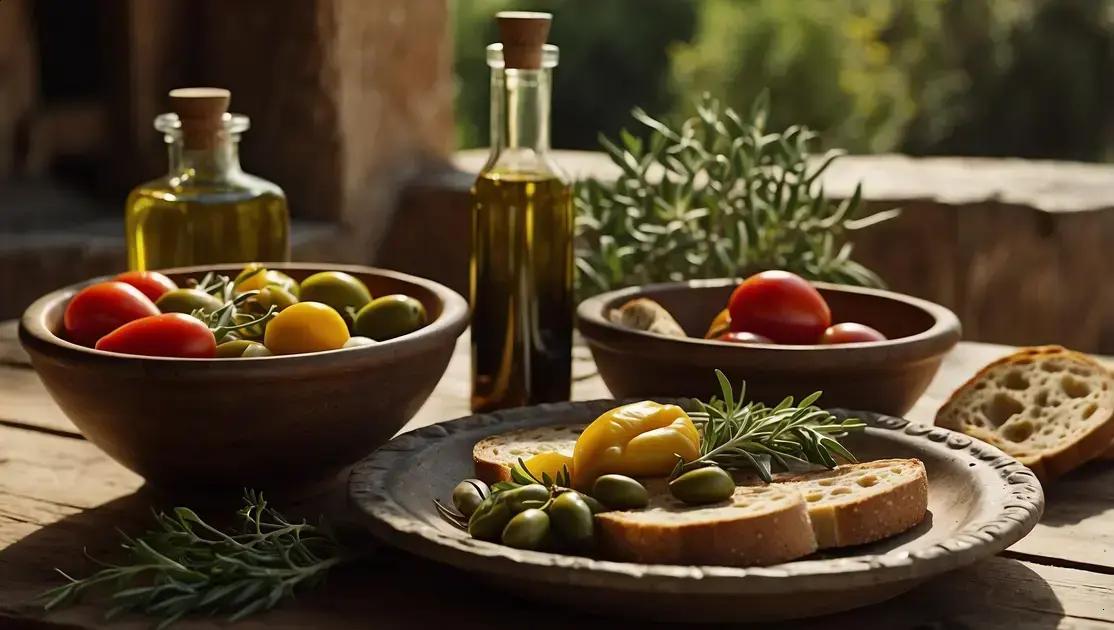
Diet philosophy in the Mediterranean approach emphasizes balanced eating of fresh, whole foods like olive oil, vegetables, and fish, combined with an active lifestyle and social habits for optimal health.
Diet philosophy shapes much of how we eat and live, and the Mediterranean approach is a prime example. Ever wondered why it’s praised worldwide? This lifestyle blends food and habits that feel both natural and sustainable — keeping you curious to learn more?
understanding the mediterranean diet philosophy
The Mediterranean diet philosophy is more than just a way of eating; it’s a way of life centered on balance, enjoyment, and health. Rooted in countries bordering the Mediterranean Sea, this approach emphasizes fresh, whole foods such as fruits, vegetables, whole grains, nuts, and olive oil. It promotes moderate consumption of fish and poultry while limiting red meat and processed foods.
This philosophy reflects a holistic mindset where food is celebrated as fuel and nourishment, rather than just calories. Meals are often shared with family and friends, encouraging mindful eating and connection. It also supports sustainability by favoring seasonal, local ingredients.
Core Principles
Key elements include choosing healthy fats (like olive oil), eating plenty of plant-based foods, and enjoying moderate amounts of dairy and wine. Physical activity and a relaxed approach to meals are also important, highlighting balance in all aspects of life.
By adopting this philosophy, individuals often experience improved heart health, weight management, and overall well-being. It’s an adaptable lifestyle that values tradition combined with modern nutritional insights.
core foods and ingredients in mediterranean eating
The core foods of the Mediterranean diet center around fresh, natural ingredients that support overall health. Vegetables like tomatoes, spinach, and eggplants are staples, providing vitamins, minerals, and antioxidants. Fruits such as oranges, grapes, and figs add natural sweetness and fiber to meals.
Whole grains like brown rice, barley, and whole wheat bread are preferred over refined grains, delivering sustained energy. Nuts and seeds, including almonds and walnuts, serve as healthy snack options rich in good fats and protein.
Healthy Fats and Proteins
Extra virgin olive oil is the primary fat source, celebrated for its heart-protective benefits. It replaces butter and other saturated fats in cooking and dressings. Additionally, moderate amounts of fish and seafood provide omega-3 fatty acids essential for brain and heart health. Poultry and eggs are included in moderate portions, while red meat consumption is limited.
Dairy items such as Greek yogurt and cheese are consumed in moderation, offering calcium and probiotics. Herbs and spices like garlic, basil, and oregano add flavor without excess salt, making meals vibrant and nutritious.
Legumes like lentils and chickpeas also play an important role, delivering fiber and plant-based protein that help maintain energy and fullness throughout the day.
how lifestyle factors influence health
The Mediterranean diet philosophy highlights that lifestyle factors play a crucial role in overall health beyond just the food we eat. Regular physical activity is emphasized, whether through walking, gardening, or traditional dancing. This movement helps maintain cardiovascular health, supports weight control, and reduces stress.
Social Connections and Mental Well-being
Sharing meals with family and friends is a fundamental aspect, promoting social interaction and a sense of community. This connection contributes to better mental health and encourages mindful eating habits.
Additionally, prioritizing adequate sleep and managing stress through relaxation techniques keep the body balanced. The Mediterranean lifestyle values a slower pace, encouraging people to savor their meals and daily experiences.
Moderation and Balance
Alcohol, specifically red wine, is consumed in moderation and typically with meals. This practice, combined with the diet’s nutrient-rich foods and active lifestyle, supports heart health.
Overall, this lifestyle approach integrates healthy habits that complement the diet itself, creating a comprehensive path to long-term wellness.
balancing tradition with modern nutrition
The Mediterranean diet philosophy successfully balances traditional eating habits with modern nutritional science. While rooted in centuries-old customs, it embraces current research on health and wellness to create a diet that’s both authentic and beneficial.
Preserving Cultural Practices
Many traditional Mediterranean dishes rely on simple, whole ingredients prepared in ways passed down through generations. This focus on fresh vegetables, olive oil, and legumes maintains cultural identity and flavor.
Integrating Scientific Insights
Modern nutrition has reinforced the benefits of these traditional foods, highlighting omega-3 fatty acids, fiber, and antioxidants. It also encourages portion control and diverse food intake, preventing overconsumption.
Technology and innovation have made it easier to source high-quality ingredients year-round, without losing the diet’s core values. For instance, whole grain alternatives and plant-based proteins are now more accessible, aligning with healthy eating trends.
By combining time-tested recipes with nutritional knowledge, this diet supports heart health, cognitive function, and overall vitality, proving that tradition and science can coexist harmoniously.
tips for adopting mediterranean habits
Adopting Mediterranean habits is easier than you might think, and small changes can make a big difference in your health and lifestyle. Start by incorporating more fresh fruits and vegetables into your daily meals. Aim for a variety of colors and types to get a range of nutrients.
Incorporate Olive Oil
Use extra virgin olive oil as your main cooking fat instead of butter or margarine. It adds flavor and healthy fats that support heart health.
Choose Whole Grains
Swap refined grains like white bread and pasta for whole grain alternatives. This simple switch increases fiber intake and helps stabilize blood sugar.
Eat More Fish and Legumes
Include fish like salmon or sardines at least twice a week. Add legumes such as lentils and chickpeas as a protein-rich alternative to meat.
Practice Mindful Eating
Set aside time to enjoy meals without rushing. Sharing food with family or friends enhances your relationship with food and encourages healthier portions.
Stay Active
Make physical activity a regular part of your routine. Walking, gardening, or cycling aligns well with the Mediterranean lifestyle.
Remember, the goal is balance and enjoyment, not perfection.
common misconceptions and clarifications
There are several common misconceptions about the Mediterranean diet that can cause confusion. One is that it is a strict low-carb or low-fat diet. In reality, the Mediterranean diet emphasizes balanced intake of healthy fats, like olive oil, and includes whole grains and legumes for carbohydrates.
Myth: It’s All About Olive Oil
While olive oil is important, the diet is about variety. It combines fruits, vegetables, nuts, fish, and moderate dairy, creating a diverse and nutrient-rich eating pattern.
Myth: It’s Only for Weight Loss
The Mediterranean diet offers more than weight control; it supports heart health, brain function, and longevity by focusing on antioxidant-rich foods and anti-inflammatory ingredients.
Clarification: Alcohol Consumption
Moderate consumption of red wine is traditional, but it’s optional. The benefits come mostly from the overall diet and lifestyle, not just wine.
Understanding these clarifications helps people adopt the Mediterranean diet more realistically and effectively, encouraging sustainable and enjoyable healthy habits.
Embracing the Mediterranean diet philosophy for a healthier life
The Mediterranean diet philosophy offers a balanced and enjoyable way to improve your health by focusing on fresh foods, healthy fats, and an active lifestyle.
By understanding its core principles and debunking common myths, you can adopt sustainable habits that fit your lifestyle and preferences.
Small steps like choosing whole grains, adding more fish and vegetables, and sharing meals with loved ones can make a big difference.
Remember, it’s about balance and enjoyment, making it easier to stick with long-term for better well-being.
FAQ – Mediterranean Diet Philosophy and Lifestyle
What is the Mediterranean diet philosophy?
The Mediterranean diet philosophy focuses on eating fresh, whole foods like fruits, vegetables, whole grains, nuts, and olive oil while promoting a balanced lifestyle including physical activity and social connections.
Can I eat meat on the Mediterranean diet?
Yes, but in moderation. The diet encourages more fish and poultry, while limiting red meat and processed meats to support heart health and overall well-being.
Is olive oil healthy in the Mediterranean diet?
Absolutely. Olive oil is the primary source of healthy fat in the Mediterranean diet and is rich in antioxidants and anti-inflammatory properties that support heart health.
How important is lifestyle beyond diet in the Mediterranean approach?
Lifestyle is very important. Regular physical activity, sharing meals with others, managing stress, and getting enough sleep all contribute to the overall health benefits of the Mediterranean lifestyle.
Can I drink wine on the Mediterranean diet?
Moderate consumption of red wine, usually with meals, is part of the traditional Mediterranean diet. However, it is optional and should be consumed responsibly.
Is the Mediterranean diet suitable for weight loss?
Yes, it can support weight loss through balanced eating and lifestyle habits, but its benefits go beyond weight management, improving heart health and reducing inflammation.