Nuts in the Mediterranean diet provide healthy fats, protein, fiber, and essential nutrients that support heart and brain health, with recommended daily portions around one ounce to maximize benefits while managing calorie intake.
Have you ever wondered why nuts pop up so often when we talk about the Mediterranean diet? They’re more than just a tasty snack — packed with nutrients, they bring a lot to the table without overloading your plate. Let’s uncover what makes nuts so special and how much you should really eat.
nutrient profile of common nuts in the mediterranean diet
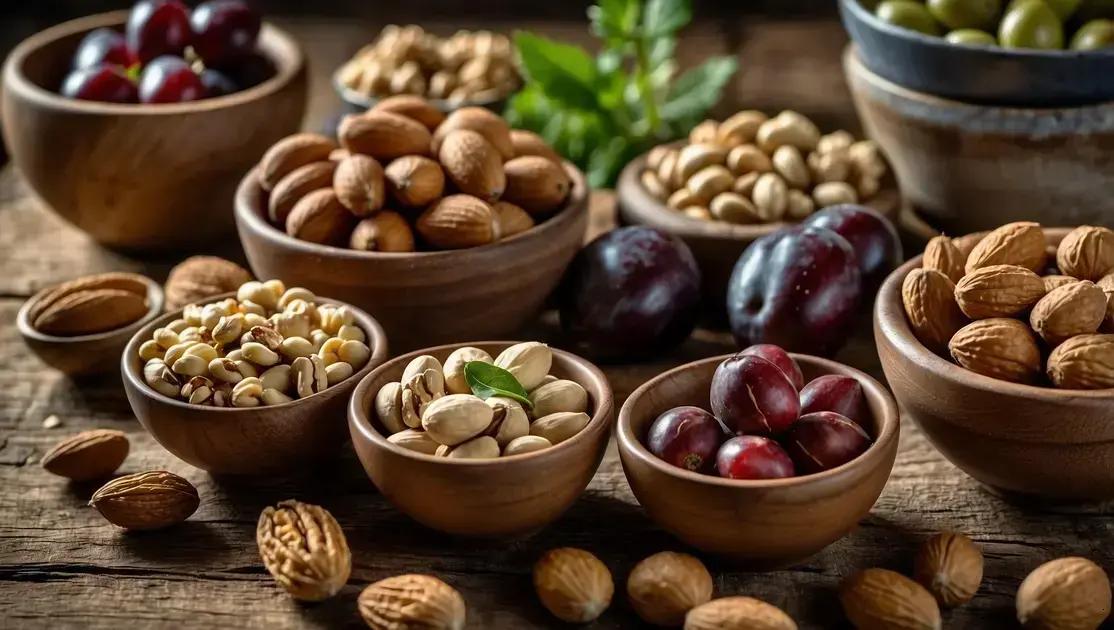
Nuts common in the Mediterranean diet, such as almonds, walnuts, pistachios, and hazelnuts, are rich sources of essential nutrients. They provide healthy fats, primarily monounsaturated and polyunsaturated fats, which support heart health. Almonds are especially high in vitamin E, an antioxidant that helps protect cells from damage. Walnuts contain significant amounts of omega-3 fatty acids, which are important for brain function and reducing inflammation.
Besides fats, these nuts are excellent sources of plant-based protein and dietary fiber. Fiber aids digestion and promotes feelings of fullness, which may support weight management. Additionally, nuts supply important minerals like magnesium, potassium, and calcium, which play roles in bone health, muscle function, and maintaining healthy blood pressure.
These nutrient-dense qualities make nuts a valuable component of the Mediterranean diet. When consumed in recommended amounts, they contribute to overall nutritional balance without adding excess calories.
health benefits linked to nuts consumption
Eating nuts regularly is linked to several health benefits that make them a smart choice for a balanced diet. Nuts are packed with healthy fats, vitamins, and minerals that support heart health and reduce inflammation. For example, studies show that walnuts and almonds can help lower bad cholesterol (LDL) while raising good cholesterol (HDL).
Antioxidants found in nuts protect your cells from damage caused by free radicals, which can help reduce the risk of chronic diseases. Nuts like pistachios also contain compounds that promote better blood vessel function and lower blood pressure.
In addition to heart benefits, nuts support brain health. The omega-3 fatty acids in walnuts are especially known to enhance memory and cognitive function. Eating nuts may even help with weight management since their protein and fiber content make you feel full longer, which can reduce overeating.
Overall, including nuts in your daily diet aligns well with the Mediterranean lifestyle, providing a natural boost for overall health and wellbeing.
how nuts contribute to heart health
Nuts are well known for their positive impact on heart health. They contain healthy fats like monounsaturated and polyunsaturated fats, which help reduce bad cholesterol (LDL) and increase good cholesterol (HDL). This balance supports the arteries and lowers the risk of heart disease.
Omega-3 fatty acids, especially found in walnuts, play a crucial role in reducing inflammation and improving the function of blood vessels. Regular consumption of nuts can lower blood pressure and improve overall circulation.
In addition, nuts provide antioxidants such as vitamin E and selenium. These compounds protect the heart by preventing damage to cells and reducing oxidative stress. Fiber in nuts also helps decrease cholesterol absorption and promotes a healthy digestive system.
Eating nuts as part of a Mediterranean diet can be an effective way to maintain heart health and reduce the chances of cardiovascular problems over time.
recommended portion sizes for daily nut intake
Eating nuts daily provides many health benefits, but portion control is key to avoid excess calories. The recommended portion size for nuts is typically about a small handful, which is roughly 1 ounce or 28 grams. This amounts to around 20-24 almonds, 14 walnut halves, or 49 pistachios.
Portion guidance helps maintain a healthy balance in your diet. For most adults, a serving of nuts 4-5 times per week is ideal, fitting well within the Mediterranean diet plan. Consuming nuts in moderation supports heart health and weight management without overdoing fat intake.
Tips for portion control include pre-measuring nuts instead of eating directly from the bag and mixing nuts with other foods like salads or yogurt to stretch the serving while adding flavor and nutrition.
By following these portion recommendations, you can enjoy nuts regularly as a nutritious part of your daily routine without excess calories.
tips for incorporating nuts into mediterranean meals
Incorporating nuts into your Mediterranean meals is easy and adds a delicious crunch along with valuable nutrients. Try sprinkling chopped almonds or walnuts over salads for extra texture and flavor. Nuts also pair well with Mediterranean ingredients like olives, feta cheese, and fresh herbs.
Another idea is to blend nuts into homemade pesto or sauces to create richer, creamier textures without added dairy. Pistachios work especially well in spreads and complement Mediterranean spices.
For breakfast, add crushed nuts to yogurt or oatmeal for a satisfying start to your day. Snacking on a small handful of mixed nuts mid-morning or afternoon helps maintain energy and satiety.
When cooking, use nut oils like almond or walnut oil for drizzling on roasted vegetables or grains. These oils provide subtle nutty flavors while supporting heart health.
By combining nuts with fresh fruits, vegetables, whole grains, and lean proteins common in Mediterranean cuisine, you enhance the taste and nutrition of your meals while keeping them balanced and wholesome.
potential allergies and precautions with nut consumption
While nuts offer many health benefits, they can also cause allergic reactions in some people. Nut allergies are among the most common food allergies and can range from mild to severe. Symptoms may include itching, swelling, hives, digestive issues, and in severe cases, anaphylaxis, which requires immediate medical attention.
People with nut allergies should avoid all types of tree nuts and peanuts, as cross-contact during food processing can occur. Reading food labels carefully is essential to identify hidden nuts in processed foods.
Precautions include informing restaurants and hosts about your allergy, carrying emergency medication such as an epinephrine auto-injector, and wearing medical identification bracelets if recommended by your doctor.
For those who are not allergic, it is still wise to consume nuts in moderation due to their calorie density. Consulting a healthcare professional before making significant dietary changes involving nuts is always a good practice.
Being aware of allergy risks and taking the right precautions can help you enjoy the benefits of nuts safely within a Mediterranean diet.
Wrapping Up Nuts in the Mediterranean Diet
Nuts are a tasty and nutritious part of the Mediterranean diet. They provide healthy fats, protein, and important vitamins that support heart and brain health.
Eating the right portions and including nuts in meals can improve your overall nutrition without adding too many calories. However, it’s important to be aware of potential allergies and take precautions if needed.
By enjoying nuts thoughtfully, you can add flavor and health benefits to your diet in a simple and natural way.
FAQ – Nuts in the Mediterranean Diet
What types of nuts are commonly included in the Mediterranean diet?
Common nuts in the Mediterranean diet include almonds, walnuts, pistachios, and hazelnuts, all known for their nutrient-dense profiles.
How do nuts benefit heart health?
Nuts contain healthy fats, omega-3 fatty acids, and antioxidants that help reduce bad cholesterol, lower blood pressure, and support overall heart function.
What is the recommended daily portion size for nuts?
A typical recommended portion is about 1 ounce or a small handful, which is roughly 20-24 almonds or 14 walnut halves.
Can nuts help with weight management?
Yes, because nuts are rich in protein and fiber, they promote fullness and can help control appetite, supporting weight management when eaten in moderation.
Are there any allergy concerns related to nut consumption?
Yes, nut allergies are common and can be severe. People with nut allergies should avoid all nuts and take necessary precautions like carrying an epinephrine auto-injector.
How can I easily add nuts to my Mediterranean meals?
You can sprinkle chopped nuts on salads, mix them into yogurt or oatmeal, use nut oils for cooking, or blend nuts into sauces and pestos.