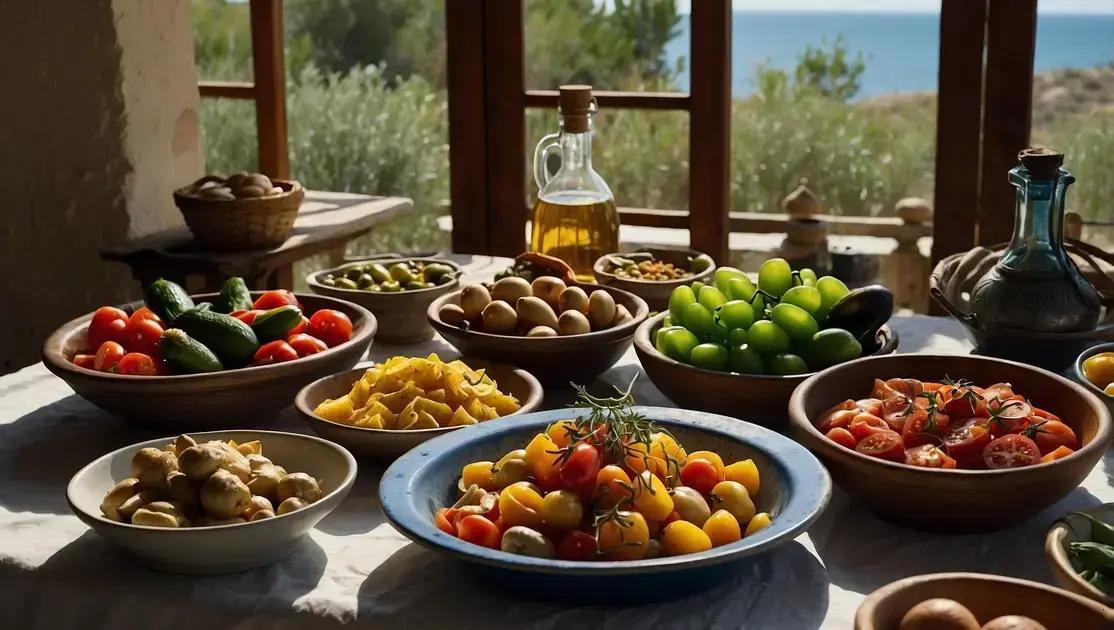
Regional Mediterranean diets highlight diverse eating patterns shaped by local ingredients, cooking methods, and cultural practices, all emphasizing fresh whole foods and healthy fats like olive oil to support heart health and overall well-being.
Regional diets in the Mediterranean reflect fascinating blends of culture and environment. Ever wondered how these variations can shape your meals and health? Let’s dive in and explore their unique flavors and benefits.
a brief history of the mediterranean diet
The Mediterranean diet has roots that stretch back thousands of years, deeply intertwined with the cultures surrounding the Mediterranean Sea. This diet reflects the agricultural practices, trade routes, and social traditions of ancient civilizations like the Greeks, Romans, and Phoenicians.
Origins and Evolution
Originally, the diet centered around staples such as olives, grapes, wheat, and seafood. Over centuries, these ingredients combined with local customs to create diverse yet connected eating patterns. The Mediterranean Diet was not a fixed plan but a collection of regional habits emphasizing fresh, whole foods.
Impact of Geography and Trade
Geography played a key role in shaping dietary choices. Coastal areas favored fish and seafood, while inland regions relied more on grains, legumes, and vegetables. Trade introduced spices, fruits, and cooking techniques, further enriching the diet’s variety.
Modern Recognition
In recent decades, research highlighted the health benefits associated with the Mediterranean diet, including lower risks of heart disease and improved longevity. Today, its history inspires a balanced approach to eating that combines tradition with modern nutrition science.
Understanding this background helps us appreciate why the Mediterranean diet remains relevant and adaptable to different tastes and lifestyles across regions.
key regional variations across the mediterranean basin
The Mediterranean basin hosts a range of diets, each shaped by local climate, geography, and culture. These key regional variations define how communities use available ingredients and cooking techniques to create distinct flavors.
Southern Mediterranean: Coastal and Olive Oil Based
In areas like southern Spain, Italy, and Greece, olive oil is a staple fat. Meals often include fresh seafood, tomatoes, garlic, and herbs such as oregano and basil. This region emphasizes light, simple dishes rich in vegetables.
Eastern Mediterranean: Spices and Grains
Countries such as Lebanon, Syria, and parts of Turkey favor a palette of spices like cumin and coriander. Bulgur wheat, chickpeas, and lentils are common, forming the base for dishes like tabbouleh and hummus. Yogurt and feta cheese also play a significant role.
North African Mediterranean: Bold and Flavorful
In Morocco and Tunisia, the diet is rich with spices like cinnamon and saffron. Couscous, tagines, and preserved lemons showcase robust flavors. Fresh vegetables, nuts, and dried fruits frequently complement meals, introducing a mix of sweet and savory tastes.
Central Mediterranean: Balanced and Diverse
Italy and southern France combine elements from the north and south, utilizing both olive oil and butter. Pasta, fresh cheeses, and a variety of vegetables are featured, along with moderate amounts of meat and fish. Wine is also an essential cultural element.
Each regional diet shares a focus on fresh, whole foods but varies in ingredients and preparation reflecting its unique cultural identity.
common ingredients and cooking methods
The Mediterranean diet relies on common ingredients that emphasize freshness, nutrition, and flavor. Olive oil serves as the primary fat, known for its heart-healthy benefits and rich taste. Fresh vegetables like tomatoes, eggplants, and leafy greens are staples, providing vitamins and fiber.
Key Ingredients
Other important ingredients include legumes such as lentils and chickpeas, whole grains like bulgur and barley, nuts, seeds, and a variety of herbs including rosemary, thyme, and basil. Seafood and moderate amounts of poultry or dairy, such as yogurt and cheese, are also typical.
Cooking Methods
Cooking techniques favor preserving natural flavors and nutrients. Methods such as grilling, roasting, sautéing, and stewing are widely used across Mediterranean regions. Herbs and spices enhance dishes without relying heavily on salt.
Slow cooking is common for stews and soups, allowing flavors to blend beautifully. Fresh salads and lightly cooked vegetables balance meals, highlighting a harmony between raw and cooked foods.
This combination of ingredients and methods makes Mediterranean cuisine both delicious and beneficial for long-term health.
health impacts of different mediterranean diets
The health impacts of different Mediterranean diets are well-documented, showing benefits for heart health, weight management, and longevity. While regional variations exist, common features like high intake of fruits, vegetables, whole grains, and healthy fats contribute to these positive outcomes.
Cardiovascular Benefits
Studies show that Mediterranean diets reduce the risk of heart disease by lowering bad cholesterol and improving blood vessel function. The use of olive oil and nuts provides monounsaturated fats that support healthy cholesterol levels.
Weight and Metabolic Health
These diets help maintain healthy weight and reduce the risk of type 2 diabetes. The combination of fiber-rich foods and balanced fats slows digestion and improves blood sugar control, supporting metabolic health across different Mediterranean regions.
Brain and Cognitive Function
Some Mediterranean diets, especially those rich in fish and antioxidants from fruits and vegetables, are linked to better cognitive function and reduced risk of decline. Omega-3 fatty acids from seafood play a key role in brain health.
Although regional diets vary, their shared emphasis on whole, nutrient-rich foods creates a strong foundation for overall wellness and disease prevention.
cultural influences on dietary choices
Cultural traditions strongly shape dietary choices throughout the Mediterranean region. These influences affect what people eat, how meals are prepared, and the social rituals surrounding food.
Family and Social Gatherings
In many Mediterranean cultures, meals are a time for family and community. Sharing dishes like mezze or antipasti strengthens bonds and reflects the importance of food in social life. This social nature of eating often encourages slower, more mindful consumption.
Religious Practices
Religious beliefs also impact diet. For example, fasting periods in Orthodox Christianity and restrictions in Islam shape when and what people eat. These traditions contribute to the variety and seasonality seen in Mediterranean diets.
Regional Celebrations and Festivals
Specific foods are linked to festivals and celebrations, preserving culinary heritage. Items like sweet pastries during holidays or special seafood dishes during coastal festivals highlight the cultural significance of certain ingredients.
Overall, the Mediterranean diet is not only about nutrition but is deeply connected to history, religion, and social customs, making it a rich and varied culinary experience.
tips for adopting a regional mediterranean diet
Adopting a regional Mediterranean diet can be simple and rewarding by focusing on fresh, local ingredients and traditional cooking methods. Start by exploring the specific foods common in your chosen Mediterranean area, whether it’s the coastal seafood of Southern Italy or the spicy tagines of North Africa.
Shop Local and Seasonal
Choose seasonal fruits, vegetables, and herbs available at local markets. This ensures freshness and supports sustainable eating. Ingredients like olives, tomatoes, citrus fruits, and leafy greens are often staples.
Include Healthy Fats
Use olive oil as your primary fat source. Incorporate nuts, seeds, and moderate amounts of cheese or yogurt to add flavor and nutrients while keeping meals balanced.
Embrace Simple Cooking Techniques
Focus on grilling, roasting, and stewing to bring out natural flavors. Avoid heavy frying or processed foods. Adding herbs and spices traditional to the region, such as rosemary, cumin, or saffron, enhances taste without extra salt.
Enjoy Meals Socially
Make eating a shared, enjoyable experience by joining family or friends whenever possible. This not only enriches meals but encourages mindful and slower eating habits.
With these tips, adopting a regional Mediterranean diet can fit comfortably into everyday life and support health in a sustainable, culturally rich way.
Embracing the richness of Mediterranean diets
The Mediterranean diet offers a diverse and delicious way to eat that is rooted in tradition and health. By understanding the unique regional differences, you can choose the approach that best fits your lifestyle and preferences.
Focusing on fresh ingredients, healthy fats, and social meals helps create a balanced and enjoyable eating pattern. Small changes inspired by Mediterranean cultures can lead to lasting health benefits and a richer food experience.
Start exploring the vibrant flavors and shared customs today, and see how the Mediterranean diet can bring more joy and wellness to your daily life.
FAQ – Common Questions About Regional Mediterranean Diets
What are the main differences among regional Mediterranean diets?
Regional Mediterranean diets differ mainly in ingredients and cooking methods shaped by local climate, culture, and traditions, but all emphasize fresh and whole foods.
How does olive oil contribute to the Mediterranean diet?
Olive oil is the primary fat source in Mediterranean diets, providing heart-healthy monounsaturated fats and enhancing flavor in cooking.
Can following a Mediterranean diet improve my health?
Yes, studies show Mediterranean diets benefit heart health, help manage weight, support brain function, and reduce the risk of chronic diseases.
Are Mediterranean diets suitable for vegetarians?
Absolutely. Many Mediterranean dishes focus on vegetables, legumes, grains, nuts, and fruits, making it easy to follow a vegetarian Mediterranean diet.
How important is social eating in the Mediterranean diet?
Social meals are key in Mediterranean cultures, promoting slower, mindful eating and stronger family and community bonds.
What tips can help me adopt a regional Mediterranean diet?
Start by choosing fresh, local seasonal ingredients, use olive oil, try regional herbs and spices, cook simply, and enjoy meals with others.