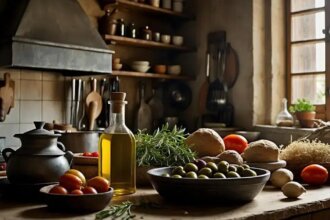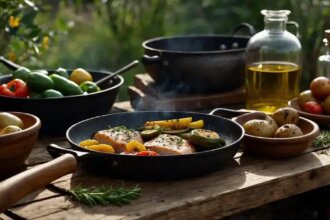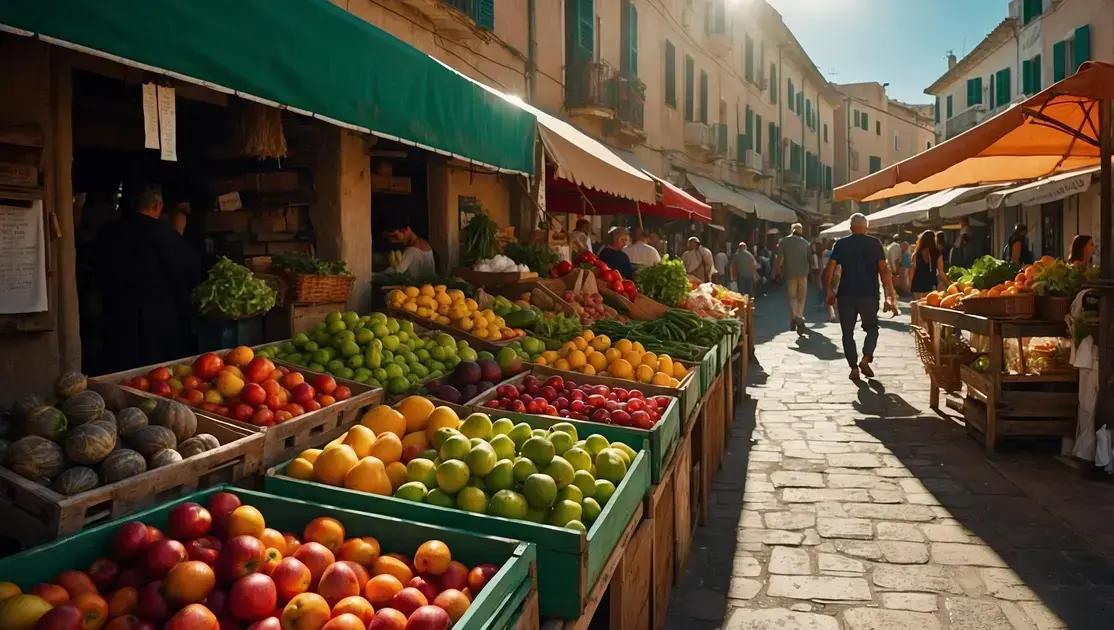
Seasonal foods in the Mediterranean diet focus on consuming fresh, local produce during its natural harvest time, enhancing flavor, nutrition, and environmental sustainability while supporting local agriculture.
Seasonal foods bring a fresh vibe to the Mediterranean diet, but have you ever wondered why eating with the seasons feels so right? It’s about more than taste—it’s a whole philosophy that links health and planet friendliness.
understanding seasonal foods and their benefits
Seasonal foods are fruits, vegetables, and other products harvested at the peak of their natural growing cycle. Eating seasonal foods means enjoying produce when it is freshest, tastiest, and often more nutritious. These foods have not been stored for long periods, so they retain more vitamins, minerals, and flavor. Additionally, by purchasing foods in season, you typically support local farmers and reduce the need for long-distance transportation.
Benefits of seasonal foods
Seasonal foods often cost less because they are abundant and don’t require artificial growing conditions. They also promote agricultural biodiversity by encouraging the cultivation of different crops throughout the year. Moreover, consuming seasonal foods can benefit the environment by lowering carbon footprints linked to transportation and storage. The natural flavor profile of seasonal foods means dishes can be more vibrant and satisfying, encouraging healthier eating habits.
Why prioritize seasonal foods?
Choosing seasonal foods aligns with nature’s rhythms, which is especially important in diets like the Mediterranean diet. This approach supports sustainability and freshness, creating meals that are both delicious and eco-friendly. It also helps consumers rediscover traditional recipes and culinary techniques designed around the changing availability of ingredients.
how the mediterranean diet embraces seasonal eating
The Mediterranean diet naturally embraces seasonal eating by focusing on fresh, local ingredients that change throughout the year. This diet emphasizes fruits, vegetables, whole grains, legumes, nuts, and olive oil, which are consumed when they are ripe and available in their peak season. By doing so, it maximizes nutritional value and flavor while minimizing environmental impact.
Seasonal variety in the Mediterranean diet
Each season brings its own set of fresh foods in Mediterranean countries. For example, spring offers artichokes and asparagus, summer is abundant with tomatoes and zucchini, while autumn provides figs and pomegranates. Winter includes hearty greens like kale and citrus fruits. This seasonal variation encourages diverse meal options and helps maintain a balanced nutrient intake year-round.
Benefits of seasonal eating in Mediterranean cuisine
Eating seasonally aligns with traditional Mediterranean cooking methods that preserve nutrients and taste. It supports local farmers and reduces the carbon footprint associated with imported produce. Additionally, seasonal food promotes a closer connection to nature’s cycles, which is a key aspect of the Mediterranean lifestyle and culture.
top seasonal foods for each mediterranean season
The Mediterranean region experiences a variety of seasonal foods that highlight the unique flavors and nutrients of each period. Embracing these foods allows for healthier meals and supports local agriculture.
Spring seasonal foods
Spring brings fresh produce like artichokes, asparagus, peas, fava beans, and strawberries. These ingredients add vibrant colors and delicate flavors to dishes and are packed with vitamins and antioxidants.
Summer seasonal foods
Summer is abundant with tomatoes, zucchini, eggplants, peppers, figs, and melons. These foods are key in classic Mediterranean recipes like ratatouille and fresh salads, providing hydration and rich tastes.
Autumn seasonal foods
In autumn, pomegranates, grapes, mushrooms, pumpkins, and olives become prominent. These items offer a mix of sweetness and earthiness, perfect for hearty meals and olive oil production.
Winter seasonal foods
Winter includes citrus fruits like oranges and mandarins, kale, leeks, and root vegetables. These foods are comforting and nutrient-rich, essential for warming soups and stews during colder months.
Seasonal diversity and nutrition
Eating a variety of seasonal foods ensures a balanced intake of essential nutrients and keeps the diet engaging. It also supports health by providing nutrients appropriate for each season’s requirements.
ways seasonal eating supports environmental sustainability
Seasonal eating plays a crucial role in supporting environmental sustainability by reducing the energy required for food production and transportation. Foods grown and consumed in their natural harvest seasons require less artificial intervention such as heating, lighting, and preservatives.
Lower carbon footprint
When foods are eaten seasonally, they usually come from local farms rather than distant locations. This reduces transportation emissions significantly, lowering the overall carbon footprint associated with the food supply chain.
Reduced use of resources
Seasonal foods grow with less need for water, fertilizers, and pesticides since they thrive under local climate conditions. This leads to more efficient use of natural resources and less pollution of soil and water systems.
Support of biodiversity
Eating seasonally encourages farmers to grow a variety of crops suited to each season. This crop diversity helps maintain healthy ecosystems, prevents monocultures, and supports beneficial insects and wildlife.
Waste reduction
Foods harvested in season tend to be fresher and last longer, resulting in less spoilage and food waste. Consuming produce closer to harvest time minimizes the chances of spoilage during long storage or transport.
tips to incorporate seasonal foods into your daily meals
Incorporating seasonal foods into your daily meals can be simple and rewarding. Start by visiting local farmers’ markets or joining a community-supported agriculture (CSA) program to find fresh, in-season produce easily. Planning meals around these ingredients ensures you enjoy the freshest flavors.
Menu planning based on seasons
Create weekly meal plans that highlight seasonal fruits and vegetables. For example, use spring asparagus in salads, summer tomatoes in fresh sauces, autumn pumpkins in soups, and winter citrus in desserts. This variety keeps meals exciting and nutritious.
Simple cooking techniques
Seasonal foods are often fresh enough to be enjoyed raw or with minimal cooking. Try steaming, roasting, or grilling to enhance natural flavors. These methods preserve nutrients and make meals healthier.
Batch cooking and preservation
Take advantage of seasonal abundance by preparing large batches of dishes or preserving foods through freezing, canning, or drying. This allows you to enjoy seasonal flavors year-round and reduces food waste.
Experiment with new recipes
Explore traditional Mediterranean recipes that celebrate seasonal ingredients. Trying dishes like ratatouille in summer or citrus-infused salads in winter can help you connect with seasonal eating.
challenges and myths about seasonal food consumption
Despite its benefits, seasonal food consumption faces several challenges and myths that can discourage people from adopting this practice fully.
Common challenges
One major challenge is the limited availability of certain foods all year round, which can affect meal planning and preferences. People may find it difficult to adjust to eating foods only when they’re in season, especially if they are used to having a wide variety at any time.
Another issue involves access; not everyone lives near local markets or farms, and some regions have short growing seasons, making fresh seasonal foods harder to find. Additionally, seasonal foods might sometimes be perceived as less convenient compared to stored or imported options.
Myths about seasonal foods
There is a myth that seasonal foods are always cheaper, but prices can vary depending on local demand and supply. Another misconception is that imported out-of-season foods have the same quality and benefits as fresh seasonal ones. In reality, off-season imports often lack flavor and nutrients due to longer transportation and storage times.
Some believe that seasonal diets are restrictive, but they actually encourage culinary creativity and diversity by emphasizing different foods throughout the year.
Overcoming barriers
Educating consumers about the nutritional and environmental benefits of seasonal eating can help dispel these myths. Supporting local agriculture and farmers’ markets also improves access. Finally, learning to preserve seasonal foods through freezing or canning can help extend their availability.
Embracing seasonal foods for a healthier lifestyle
Eating seasonal foods offers many benefits, from better taste and nutrition to supporting the environment and local farmers. While there are challenges and misconceptions, understanding these can help you make smarter food choices.
By exploring seasonal options and adjusting your meals throughout the year, you’ll enjoy fresh flavors and contribute to a sustainable food system. Small changes in your shopping and cooking habits can lead to a positive impact on your health and the planet.
Start by trying seasonal foods today and discover the richness of the Mediterranean diet in a fresh and sustainable way.
FAQ – Seasonal Foods in the Mediterranean Diet
What are seasonal foods?
Seasonal foods are fruits, vegetables, and other products harvested during their natural growing season when they are freshest and most nutritious.
Why is eating seasonal foods beneficial?
Eating seasonal foods ensures better flavor, higher nutrient content, supports local farmers, and reduces environmental impact.
How does the Mediterranean diet incorporate seasonal eating?
The Mediterranean diet emphasizes eating fresh, local ingredients that change with each season, promoting variety and sustainability.
Are seasonal foods always cheaper?
Not always. Prices can vary depending on local demand and supply, but seasonal foods are often more affordable due to their abundance.
How can I incorporate seasonal foods into my daily meals?
Plan meals around what’s available each season, try simple cooking methods, explore new recipes, and consider batch cooking or preserving seasonal produce.
What challenges exist with seasonal food consumption?
Challenges include limited availability year-round, access issues for some regions, and misconceptions about cost and variety. Education and local support can help overcome these.