Seeds in the Mediterranean diet provide essential micronutrients and healthy fats such as omega-3, magnesium, and vitamin E, supporting heart health and overall nutrition through versatile uses in meals and traditional dishes.
Seeds have been part of the Mediterranean diet for centuries, cherished for their rich micronutrients and healthy fats. Have you ever wondered how adding a handful of seeds can transform your meals and health?
nutritional profile of common seeds in the mediterranean diet
Common seeds in the Mediterranean diet, such as flaxseeds, sesame seeds, and pumpkin seeds, are packed with essential nutrients. These seeds contain high levels of fiber, which supports healthy digestion and helps maintain stable blood sugar levels. They are also rich sources of protein, making them a valuable plant-based option for muscle repair and growth.
Key Micronutrients in Mediterranean Seeds
These seeds supply important micronutrients like magnesium, zinc, and iron, which support various bodily functions including immune health and energy production. Flaxseeds, for instance, are well-known for their abundance of omega-3 fatty acids, a type of healthy fat that promotes heart and brain health.
Sesame seeds offer significant amounts of calcium and vitamin B1, crucial for bone strength and metabolism. Meanwhile, pumpkin seeds provide antioxidants and a healthy dose of potassium, which helps regulate blood pressure.
Incorporating these seeds into your diet not only boosts nutrient intake but also adds pleasant texture and flavor to meals. Their diverse nutrient profile supports overall wellness and complements the balanced nature of the Mediterranean diet.
how seeds contribute to healthy fats intake
Seeds are a key source of healthy fats in the Mediterranean diet, primarily providing monounsaturated and polyunsaturated fats. These fats are important because they help reduce bad cholesterol levels and support heart health. For example, flaxseeds and chia seeds are rich in omega-3 fatty acids, which are essential fats that the body cannot produce on its own.
Types of Healthy Fats in Seeds
Many seeds contain polyunsaturated fats, including omega-6 and omega-3 fatty acids, which work together to promote brain function and reduce inflammation. Sesame and sunflower seeds provide a good balance of omega-6 fats, while flax and chia seeds are particularly high in omega-3s, known for their anti-inflammatory benefits.
Monounsaturated fats, found in seeds like pumpkin and sunflower, also play a role in maintaining healthy blood vessels and improving overall cholesterol profiles. These fats provide long-lasting energy and support cell health, making seeds a nutritious addition to any meal.
By including a variety of seeds in your diet, you can boost your intake of these heart-healthy fats, which are linked to lower risks of cardiovascular disease and better weight management. Their unique fat composition complements the overall nutritional balance of the Mediterranean diet.
micronutrients found in mediterranean seeds and their benefits
Seeds in the Mediterranean diet are a rich source of essential micronutrients like magnesium, zinc, iron, and vitamins such as vitamin E and B-complex. These nutrients play crucial roles in maintaining overall health and preventing chronic diseases.
Magnesium and Its Role
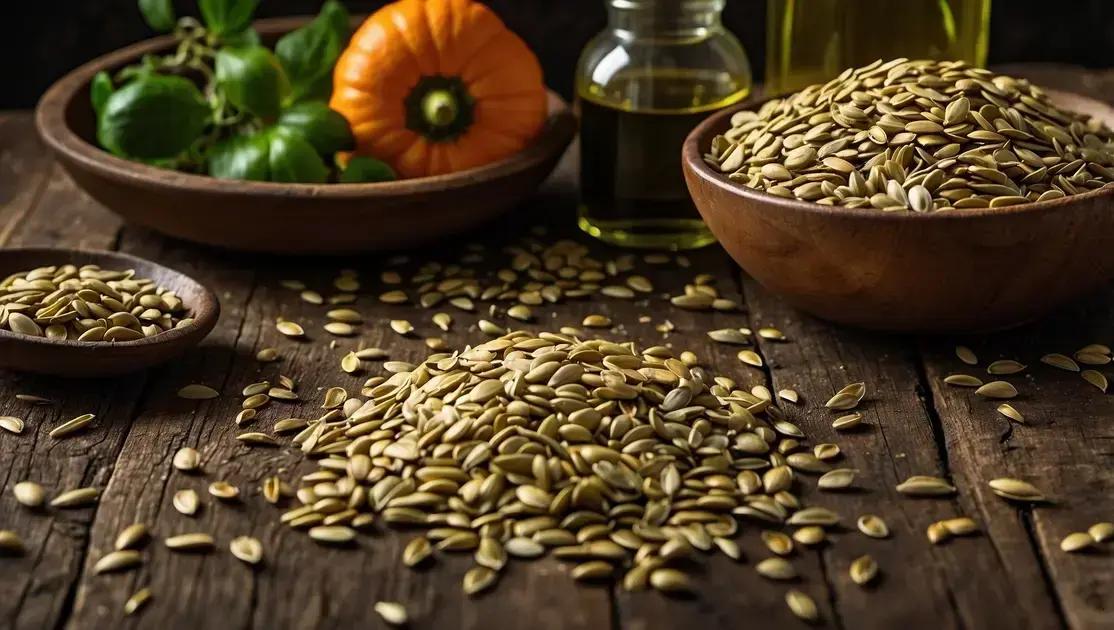
Magnesium, found abundantly in pumpkin and sunflower seeds, helps regulate muscle and nerve function, blood sugar levels, and blood pressure. It also supports bone health and energy production.
Zinc and Immune Support
Zinc is vital for immune system strength and wound healing. Sesame seeds are particularly rich in zinc, aiding in maintaining healthy skin and proper cellular function.
Iron and Oxygen Transport
Iron, important for oxygen transport in the blood, can be found in flaxseeds and pumpkin seeds. Consuming these seeds helps prevent anemia and boosts energy levels.
Vitamin E and Antioxidant Protection
Vitamin E acts as a powerful antioxidant, protecting cells from damage. It is present in many seeds, including sunflower seeds, and contributes to healthy skin and eyes.
B Vitamins for Energy
Seeds also supply B vitamins, such as thiamine and niacin, which help convert food into energy and support brain function.
Adding a mix of these nutrient-rich seeds to your diet provides a valuable boost to your vitamin and mineral intake, complementing the health benefits intrinsic to the Mediterranean lifestyle.
inclusion of seeds in traditional mediterranean dishes
Seeds are commonly included in traditional Mediterranean dishes, adding both flavor and nutrition. For example, sesame seeds are a key ingredient in tahini, a creamy paste used in hummus and dressings. Tahini provides a rich, nutty flavor and creamy texture that enhances many meals.
Use of Seeds in Salads and Breads
Toasted seeds like pumpkin and sunflower are often sprinkled on salads or incorporated into breads and crackers, offering a crunchy texture and extra nutrients. These seeds elevate simple dishes, contributing healthy fats and micronutrients.
Many Mediterranean recipes also use seeds as a garnish on vegetables and grains. For instance, pine nuts, a type of seed, are toasted and added to pasta dishes, rice pilafs, or vegetable stews to provide a delicate crunch and buttery flavor.
Seeds in Sweets and Snacks
In desserts, sesame seeds are sometimes found in traditional sweets like halvah, a dense confection made from ground sesame paste and honey or sugar. Seeds add richness and complexity to sweet treats, showing their versatile use in Mediterranean cuisine.
In daily meals, including a sprinkle of mixed seeds on yogurt or breakfast bowls offers added texture and nutrition, helping to boost energy levels and promote satiety throughout the day. This practice reflects the Mediterranean diet’s emphasis on wholesome, natural ingredients.
tips for choosing and storing seeds fresh
Choosing fresh seeds starts with checking their appearance and smell. Look for seeds that are dry, clean, and free from any mold or discoloration. Fresh seeds usually have a mild, nutty aroma, while a musty or rancid smell indicates they may be spoiled.
Storage Tips to Keep Seeds Fresh
Store seeds in an airtight container to protect them from moisture and air, which can cause them to go stale or rancid. Glass jars with tight lids or sealed plastic containers work well for this purpose.
Keep seeds in a cool, dark place away from heat sources and direct sunlight. A pantry or refrigerator can be an ideal storage spot. Heat accelerates fat oxidation in seeds, reducing their shelf life and nutritional quality.
Freeze Seeds for Long-Term Storage
If you buy seeds in bulk or want to store them for an extended time, freezing is an excellent option. Place seeds in sealed freezer bags or containers to prevent moisture exposure. Before use, let them return to room temperature to avoid condensation.
Regularly check your stored seeds for any signs of spoilage such as off smells, discoloration, or mold. Using fresh seeds ensures the best taste, texture, and maximum health benefits in your Mediterranean diet.
practical ways to add seeds to your daily meals
Adding seeds to your daily meals is an easy way to boost nutrition and flavor. Start by sprinkling flaxseeds or chia seeds on your morning yogurt or oatmeal for a crunchy texture and added fiber.
Incorporate Seeds in Smoothies
Blending seeds like pumpkin or hemp seeds into smoothies enhances their nutrient content without altering taste. These seeds provide protein and healthy fats, keeping you full longer.
Use sesame seeds or sunflower seeds as a topping on salads or roasted vegetables. They add a satisfying crunch and a nutty flavor that complements fresh greens and cooked dishes alike.
Include Seeds in Baking
Mix seeds into bread, muffins, or crackers dough for added texture and nutrition. Seeds also work well as a crust for fish or chicken, adding both taste and a healthier alternative to fried coatings.
Snack on Seeds by themselves or combined with nuts and dried fruits for a wholesome trail mix. This makes a handy, nutrient-packed snack for any time of the day.
With such simple options, it’s easy to enjoy seeds every day and benefit from the nutrients and healthy fats they provide as part of the Mediterranean diet.
Understanding the Role of Seeds in a Healthy Mediterranean Diet
Seeds are a simple yet powerful addition to your diet, providing essential micronutrients and healthy fats that support overall well-being. From enhancing traditional dishes to boosting daily nutrition, seeds offer versatility and health benefits that fit perfectly with the Mediterranean lifestyle.
By choosing fresh seeds, storing them properly, and incorporating them into your meals in practical ways, you can enjoy their rich flavors and nutrients every day. Whether sprinkled on salads, blended in smoothies, or used in baking, seeds are a tasty and nutritious way to nourish your body.
Embracing seeds as a regular part of your diet can promote heart health, improve digestion, and add valuable energy. Start exploring the many delicious options today and experience the benefits seeds bring to the Mediterranean way of eating.
FAQ – Seeds in the Mediterranean Diet
What types of seeds are commonly used in the Mediterranean diet?
Common Mediterranean seeds include flaxseeds, sesame seeds, pumpkin seeds, sunflower seeds, and chia seeds, all rich in nutrients and healthy fats.
How do seeds contribute to heart health?
Seeds contain healthy monounsaturated and polyunsaturated fats, especially omega-3 fatty acids, which help reduce bad cholesterol and support cardiovascular health.
What micronutrients are found in Mediterranean seeds?
Mediterranean seeds are rich in magnesium, zinc, iron, vitamin E, and B vitamins, which aid in immune function, energy production, and antioxidant protection.
How can I store seeds to keep them fresh?
Store seeds in airtight containers in a cool, dark place, such as a pantry or refrigerator. For long-term storage, freezing seeds in sealed bags helps maintain freshness.
What are some practical ways to add seeds to daily meals?
Sprinkle seeds on yogurt, salads, or oatmeal, blend them into smoothies, include them in baking, or snack on them alone or in trail mixes.
Are seeds suitable for all diets?
Yes, seeds are plant-based and gluten-free, making them suitable for most diets, including vegetarian, vegan, and gluten-free plans, while providing important nutrients.