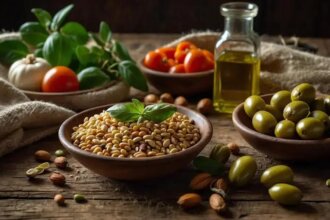
Slow Eating is a mindful practice common in Mediterranean cultures that promotes health by encouraging thorough chewing, relaxed meals, improved digestion, and social connection, leading to better weight management and overall well-being.
Slow Eating invites us to savor food like in Mediterranean cultures, where meals turn into moments of connection and health. Ever noticed how slowing down changes your eating experience? Let’s explore this mindful habit that goes beyond just food.
What is slow eating and why it matters
Slow eating is the practice of consuming food at a leisurely pace, allowing full attention to the flavors, textures, and sensations of each bite. This mindful approach helps improve digestion and promotes feelings of satisfaction with smaller portions.
Why Slow Eating Matters
Eating slowly gives your brain time to receive signals from your stomach that you are full, which can prevent overeating. It also enhances the enjoyment of food and helps build a healthy relationship with meals.
Studies show that those who eat slowly tend to have better weight management and improved metabolic health. This pace encourages you to savor each ingredient, fostering gratitude and awareness of what you eat.
Connection to Mediterranean Cultures
In Mediterranean cultures, meals are seen as social rituals where slow eating is common. This tradition supports better digestion, deeper social bonds, and a balanced lifestyle focused on well-being.
Mediterranean diet practices that embrace slow eating
The Mediterranean diet is well-known for its focus on fresh ingredients and balanced meals, which naturally complements the practice of slow eating. Meals typically include a variety of vegetables, fruits, whole grains, olive oil, nuts, and lean proteins like fish.
Simple, Fresh Ingredients
Using fresh, seasonal produce encourages taking time to appreciate each element. The flavors develop fully when you eat slowly, highlighting the quality of the food rather than rushing through the meal.
Shared Meals and Social Connection
Mediterranean cultures emphasize long meals enjoyed with family and friends. This social aspect slows down eating and makes meals relaxed and meaningful, promoting mindful consumption.
Wine and Small Portions
Moderate wine consumption alongside small, well-balanced portions is common. It encourages savoring rather than overeating, which aligns perfectly with slow eating habits.
Altogether, these practices create an environment where food is enjoyed thoughtfully, leading to better digestion and overall health.
Health benefits linked to mindful consumption
Mindful consumption through slow eating offers several health benefits that impact both the body and mind. One of the key advantages is improved digestion, as eating slowly allows the stomach to signal fullness properly, reducing overeating and bloating.
Better Weight Management
By paying attention to hunger and fullness cues, people who eat slowly tend to consume fewer calories, helping to maintain a healthy weight and reduce the risk of obesity.
Enhanced Nutrient Absorption
Chewing food thoroughly and eating at an unhurried pace supports better nutrient absorption. This process helps the body extract maximum vitamins and minerals from meals, boosting overall health.
Stress Reduction and Improved Mental Well-being
Mindful eating encourages relaxation and focus during meals, which can lower stress levels. Taking time to enjoy food improves mood and fosters a positive relationship with eating habits.
Together, these benefits make slow eating a powerful habit for supporting long-term health and well-being.
Cultural rituals supporting slow eating habits
Cultural rituals play a significant role in supporting slow eating habits, particularly in Mediterranean societies where food is more than just nourishment—it’s a social experience. Meals often become moments to connect with others, share stories, and celebrate life.
Long, Shared Meals
In Mediterranean culture, meals can last hours, emphasizing conversation and enjoyment. This natural pause slows the pace of eating and encourages people to savor each bite.
Respect for Food Preparation
Traditional recipes are prepared with care and time, highlighting fresh, local ingredients. This respect for food’s origin encourages appreciation and mindful consumption during the meal.
Rituals Around Eating
Certain customs, such as starting a meal with appetizers or concluding with a shared dessert, create a rhythm that promotes slow eating and enjoyment of diverse flavors.
These social and cultural rituals help embed slow eating as a lifestyle, improving both physical health and emotional well-being.
How slow eating influences digestion and well-being
Slow eating has a direct positive effect on digestion and overall well-being. Eating slowly allows your body time to properly break down food, making digestion easier and more efficient.
Improved Digestion
Chewing food thoroughly increases saliva production, which contains enzymes that start the digestive process. Taking time to eat helps reduce issues like bloating, acid reflux, and indigestion.
Better Nutrient Absorption
By eating at a calm, unhurried pace, the digestive system functions optimally, aiding in the absorption of vitamins and minerals essential for good health.
Enhanced Mind-Body Connection
Slow eating fosters mindfulness, encouraging focus on the meal and body signals such as hunger and fullness. This connection supports mental health and reduces stress.
Ultimately, slow eating not only nurtures your body but also promotes a balanced lifestyle and well-being.
Tips to adopt slow eating in your daily routine
Adopting slow eating into your daily routine can greatly improve your relationship with food and overall health. Here are some practical tips to help you get started.
Create a Calm Eating Environment
Choose a quiet, comfortable place to eat without distractions like TV or smartphones. This sets the stage for mindful eating and helps you focus on your meal.
Chew Thoroughly
Make a conscious effort to chew each bite at least 20 times. This not only improves digestion but also allows you to fully enjoy the flavors.
Put Down Your Utensils
Between bites, place your fork or spoon down. This pause slows the pace and helps you tune into your hunger and fullness cues.
Take Smaller Bites
Smaller bites encourage longer chewing and a slower eating rhythm, which can reduce overeating.
Savor Your Food
Focus on the taste, texture, and aroma of your food. Paying attention enhances satisfaction and makes meals more enjoyable.
Practice Regular Meal Times
Establish consistent meal times to create a routine that supports slow eating and prevents rushed meals.
Embracing Slow Eating for a Healthier Lifestyle
Slow eating offers many benefits, from better digestion to a stronger connection with your food and those around you. By taking simple steps to slow down, you can enjoy meals more fully and improve your overall well-being.
Incorporating mindful eating habits into your daily routine does not have to be difficult. Small changes, like chewing thoroughly and creating a calm eating environment, can make a big difference.
Practicing slow eating can lead to a healthier body and a more enjoyable relationship with food, helping you feel more balanced every day. Start today and experience the positive impact of mindful consumption.
FAQ – Common Questions About Slow Eating and Mindful Consumption
What is slow eating and why is it beneficial?
Slow eating means taking your time to chew and enjoy food, which helps improve digestion, prevents overeating, and increases satisfaction.
How does slow eating fit into Mediterranean diet practices?
Mediterranean diet promotes fresh ingredients and shared meals, naturally encouraging slow eating through longer, social dining experiences.
Can slow eating help with weight management?
Yes, by eating slowly, your body recognizes fullness better, reducing the chance of overeating and helping maintain a healthy weight.
What cultural rituals support slow eating?
In Mediterranean cultures, long shared meals, appreciation of food preparation, and meal rituals all encourage eating slowly and mindfully.
How does slow eating affect digestion?
Eating slowly improves digestion by allowing better chewing and saliva production, which helps break down food and reduces digestive discomfort.
What are some tips for adopting slow eating in daily life?
Create a calm eating environment, chew thoroughly, take smaller bites, put down utensils between bites, and focus on savoring your food without distractions.