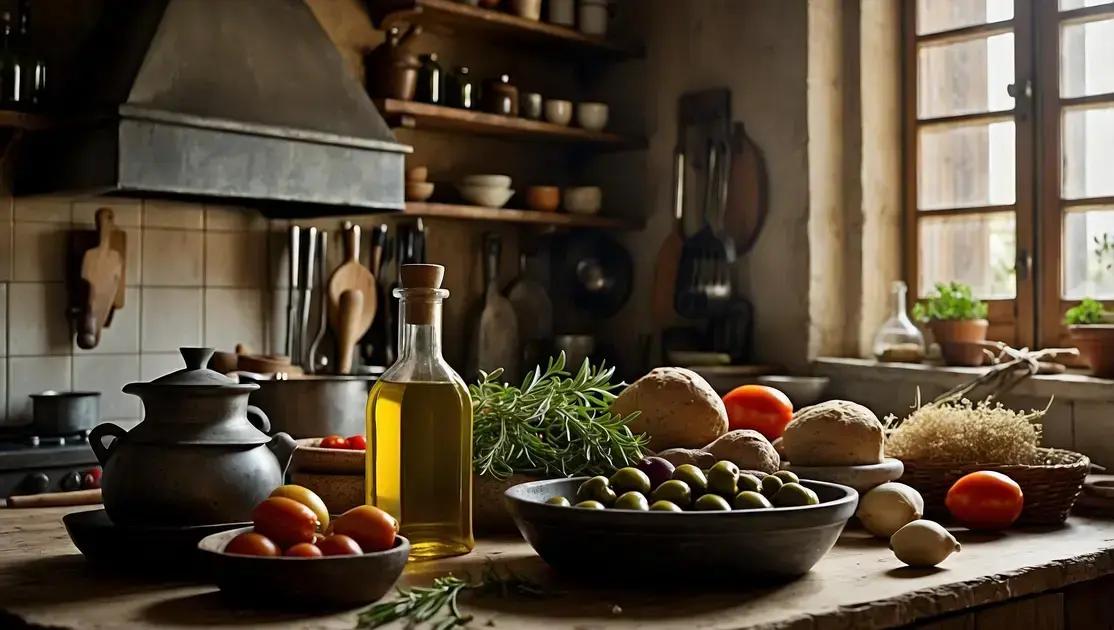
Traditional cooking in Mediterranean cultures preserves rich histories through fresh ingredients like olive oil and herbs, distinctive methods such as grilling and roasting, and communal meal-sharing that strengthens cultural identity and passes culinary heritage across generations.
Traditional cooking in Mediterranean cultures is more than just food—it’s a story woven through generations. Ever wondered how cooking styles tell us about history and people? Let’s dive into these rich traditions together.
the history behind mediterranean traditional cooking
The history behind Mediterranean traditional cooking spans thousands of years, shaped by diverse civilizations like the Greeks, Romans, Phoenicians, and Arabs. These cultures introduced various ingredients and techniques that form the rich culinary heritage we see today. Olive oil, a staple in Mediterranean kitchens, has been used since ancient times, prized for its flavor and health benefits.
Trade and exploration brought spices, grains, and new fruits to the region, enhancing traditional recipes. Cooking methods such as grilling, roasting, and slow simmering were developed to make the most of local resources. Each region adapted these techniques to its environment, making Mediterranean cooking a vibrant fusion of history and nature.
This long history is more than just about food; it’s a connection to the past, where every dish tells a story of the people, their land, and their traditions. From family kitchens to festive tables, the legacy of Mediterranean cooking remains alive and influential in modern culinary arts.
key ingredients and their cultural significance
The Mediterranean diet relies on several key ingredients that hold deep cultural significance. Olive oil is not just a cooking fat but a symbol of health and prosperity, widely used across dishes to add rich flavor and nutrients. Fresh herbs such as thyme, oregano, and rosemary are essential for their aromatic qualities and connection to the land.
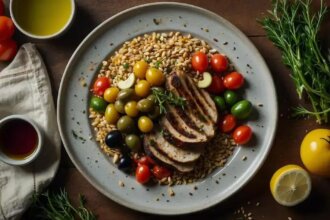
Grains like wheat and barley have been staple crops, representing sustenance and tradition. Legumes such as chickpeas and lentils are common for their nutrition and affordability, often featured in everyday meals. Fresh vegetables like tomatoes, eggplants, and peppers bring vibrant colors and textures, reflecting the abundance of Mediterranean farms.
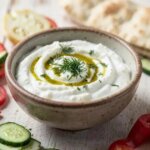
Seafood plays a vital role in coastal areas, symbolizing the relationship between communities and the sea. Cheese and yogurt, made from sheep or goats, are important dairy elements, showing culinary resourcefulness. Together, these ingredients create a diet that is flavorful, balanced, and rich in the history and values of Mediterranean culture.
common cooking methods in mediterranean cuisine
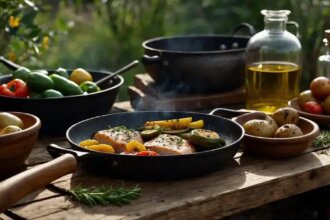
Mediterranean cuisine features a variety of common cooking methods that highlight fresh ingredients and natural flavors. Grilling is widely used to cook vegetables, seafood, and meats, imparting a smoky taste that enhances each dish. This method is popular for its simplicity and ability to preserve nutrients.
Roasting is another favored technique, often used for vegetables like eggplants, peppers, and tomatoes, bringing out their sweetness and depth. It also applies to meats, allowing slow, even cooking that tenderizes and flavors the food.
Stewing and simmering are essential for creating hearty soups, sauces, and casseroles. These methods allow flavors to meld slowly, often incorporating olive oil, herbs, and spices. Baking, especially in wood-fired ovens, is traditional for making breads and pies.
Use of Fresh Ingredients
Regardless of the method, Mediterranean cooking relies on fresh and seasonal ingredients, which are prepared to maintain their vibrant colors and textures. Cooking techniques focus on enhancing natural tastes rather than masking them.
These methods reflect a balance between tradition and practicality, showing respect for both the ingredients and cultural heritage.
how traditional cooking shapes community and identity
Traditional cooking is a powerful force in shaping community and identity within Mediterranean cultures. Sharing meals prepared using age-old recipes builds strong bonds among family members, neighbors, and even larger groups. The kitchen often serves as a social hub where stories, values, and skills are passed down.
Local ingredients and cooking methods connect people to their land and history. Food becomes a way to express pride in cultural heritage, marking festivals, celebrations, and everyday life with meaningful rituals. These shared experiences foster a sense of belonging and continuity.
Cultural Expression Through Food
Traditional dishes act as symbols of identity, reflecting regional variations and historical influences. Preparing and eating these foods reinforces collective memory and cultural pride. It also offers a way for Mediterranean communities to maintain their unique character in a rapidly changing world.
In this way, traditional cooking transcends nourishment—it is a vital thread weaving together community, ancestry, and self-understanding.
modern influences on mediterranean traditional recipes
Mediterranean traditional recipes have been influenced by modern cooking trends and global culinary techniques while still preserving their authentic roots. Chefs today often experiment with fusion cuisine, blending Mediterranean flavors with international ingredients and styles, creating innovative dishes that appeal to contemporary tastes.
Health trends have also impacted traditional recipes. There is a growing focus on using organic produce, reducing salt, and incorporating plant-based alternatives. This aligns well with the Mediterranean diet’s emphasis on fresh, wholesome ingredients.
Adapting to Lifestyle Changes
Busy modern lifestyles have led to adaptations in cooking methods, such as using quicker preparation techniques or ready-made ingredients, without compromising flavor. Traditional dishes are sometimes reimagined to suit fast-paced lives, balancing convenience with cultural respect.
Despite these changes, the essence of Mediterranean cooking—its celebration of fresh, seasonal foods and communal eating—remains central. This blend of old and new keeps the cuisine vibrant and relevant for future generations.
preserving and passing down mediterranean cooking traditions
Preserving and passing down Mediterranean cooking traditions is essential to maintain the region’s rich cultural heritage. Families play a central role, where recipes are often handed down from generation to generation through hands-on teaching and shared meals. This fosters a deep connection between food and family history.
Cooking with elders helps younger generations learn the techniques, flavors, and stories behind each dish. Traditional markets and community festivals also support preservation by keeping local ingredients and customs alive.
The Role of Education and Community
In recent years, cooking schools and cultural programs have emerged to teach Mediterranean culinary arts, ensuring these skills are passed to a wider audience. Documenting recipes and food traditions through books and media also helps safeguard knowledge.
By valuing these traditions, Mediterranean communities strengthen their identity and share their unique food culture with the world.
Embracing Mediterranean cooking traditions today
Preserving Mediterranean cooking traditions helps us stay connected to our roots and share rich cultural stories. Passing these recipes and techniques to new generations keeps the spirit of the cuisine alive and vibrant.
Whether through family, community events, or culinary education, these traditions continue to inspire and bring people together. By valuing fresh ingredients, time-honored methods, and shared meals, we celebrate not just food but also identity and belonging.
Traditional Mediterranean cooking remains a treasured part of life that can adapt while honoring its past, offering a meaningful way to connect with others and enjoy wholesome flavors.
FAQ – Traditional Cooking in Mediterranean Cultures
What makes Mediterranean traditional cooking unique?
Mediterranean traditional cooking is unique because it uses fresh, local ingredients and time-honored methods that reflect the region’s rich history and culture.
Why is olive oil important in Mediterranean cooking?
Olive oil is a staple and symbol of health and prosperity. It adds rich flavor and nutrients to many Mediterranean dishes.
How do traditional cooking methods impact the flavor of Mediterranean dishes?
Methods like grilling, roasting, and slow simmering enhance the natural flavors of fresh ingredients, creating rich and balanced dishes.
How does traditional cooking shape community and identity?
Cooking and sharing traditional meals strengthen family bonds and cultural pride, connecting people to their heritage and community.
What modern influences affect Mediterranean traditional recipes?
Modern trends like fusion cuisine, health-conscious adaptations, and quicker cooking techniques influence traditional recipes while keeping their core flavors.
How are Mediterranean cooking traditions preserved today?
They are preserved through family teachings, community events, culinary schools, and documentation, helping pass down knowledge to future generations.