Vegetables in the Mediterranean diet provide essential nutrients and antioxidants through seasonal variety and diversity, enhancing health benefits while promoting sustainable eating habits.
If you’ve ever wondered why the vegetables in a Mediterranean diet feel fresher and more vibrant, you’re tapping into something powerful. Seasonal intake and diversity don’t just influence taste but can dramatically boost how nutritious your meals are. Curious how this works in practice? Let’s dive in together.
the importance of vegetables in the mediterranean diet
Vegetables form the cornerstone of the Mediterranean diet, providing essential vitamins, minerals, and fiber that promote overall health. Unlike diets heavily reliant on processed foods, the Mediterranean diet emphasizes fresh, whole vegetables like tomatoes, peppers, eggplants, and leafy greens. These vegetables not only add vibrant color and flavor to meals but also offer antioxidants that reduce inflammation and support heart health.
Eating a large variety of vegetables daily supports digestion and maintains a healthy weight. The fiber content in vegetables helps regulate blood sugar and cholesterol levels, contributing to a lower risk of chronic diseases. Furthermore, the Mediterranean diet pairs vegetables with healthy fats such as olive oil, enhancing nutrient absorption and adding a rich taste.
Key Benefits of Vegetables in This Diet
The combination of diverse vegetables with whole grains, nuts, and fish creates a balanced diet that supports brain function and longevity. Importantly, the Mediterranean diet encourages savoring meals with family and friends, making vegetable-rich dishes more enjoyable and satisfying.
Incorporating vegetables in this way means you’re not only eating for taste but also fueling your body with natural, wholesome ingredients that nurture wellness.
seasonal variety: why it matters for nutrition
Seasonal variety is crucial in the Mediterranean diet because it ensures a wide range of nutrients throughout the year. Different vegetables grow best in specific seasons, which means eating seasonally provides fresher, more flavorful, and nutrient-rich options. For example, leafy greens thrive in spring, while root vegetables are abundant in winter.
Eating vegetables in their natural season also supports the body’s nutritional needs as they change with the weather. In warmer months, watery vegetables like cucumbers and tomatoes help with hydration, while in colder months, hearty vegetables such as squash provide energy and warmth.
Impact on Nutrition and Health
Seasonal vegetables typically have higher vitamin and mineral content because they are allowed to ripen fully and are consumed shortly after harvest. This maximizes their antioxidant levels, which combat oxidative stress in the body.
Moreover, eating a varied seasonal diet helps prevent food monotony, encouraging a wider intake of different phytochemicals and fibers. This diversity is linked to better gut health and stronger immune function.
By following the natural seasonality of vegetables, you naturally enhance your nutritional variety and contribute to sustainable agricultural practices.
common vegetables consumed in mediterranean regions
The Mediterranean diet features a rich variety of vegetables that are widely consumed across the region. Common choices include tomatoes, cucumbers, eggplants, zucchini, bell peppers, and leafy greens like spinach and kale. These vegetables are staples in many traditional dishes, contributing essential vitamins, minerals, and fiber.
Staple Mediterranean Vegetables
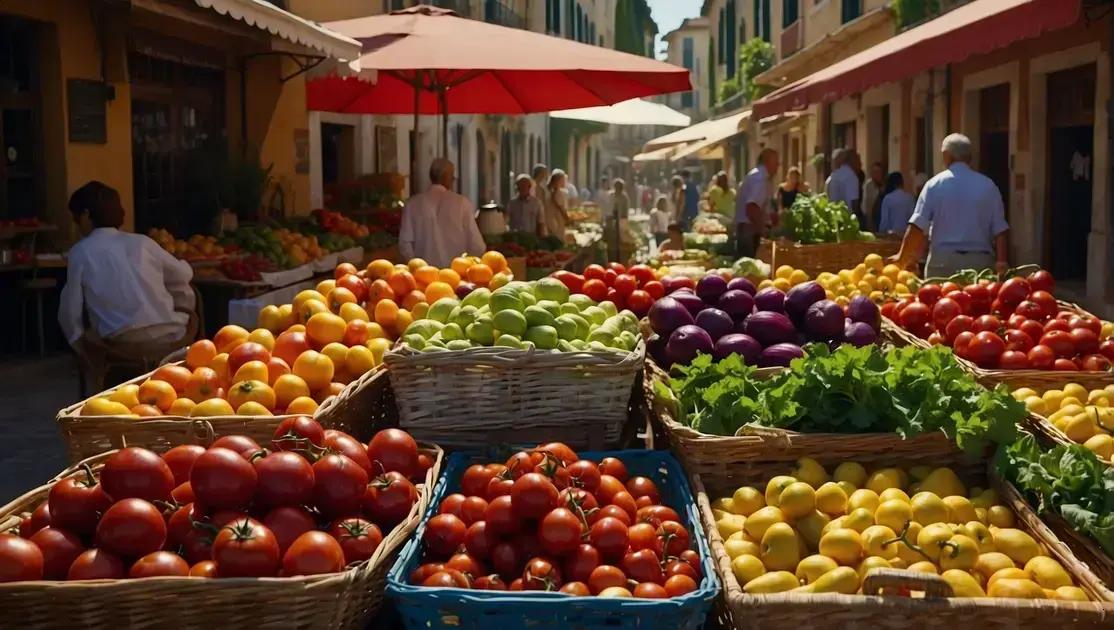
Tomatoes play a central role both fresh and cooked, found in salads, sauces, and stews. Cucumbers add a refreshing crunch in side dishes and salads. Eggplants and zucchini are often grilled, roasted, or incorporated into vegetable medleys, while bell peppers bring vibrant colors and sweetness to meals.
Leafy greens such as kale, spinach, and Swiss chard are common in soups, sautés, and as accompaniments. Garlic and onions also complement many dishes, adding flavor and health benefits.
These vegetables reflect the climate and terrain of Mediterranean areas, where mild winters and long, warm summers allow diverse crops to thrive. Their popularity is tied not only to taste but also to their nutritional impact within this balanced diet.
Cooking methods often preserve the nutritional content of these vegetables, by using olive oil and minimal processing to keep the vitamins intact.
how seasonal eating enhances health benefits
Eating vegetables seasonally offers unique health benefits, primarily because the produce is fresher and contains more nutrients. When vegetables are harvested at their peak, they maintain higher levels of vitamins, minerals, and antioxidants, which can diminish over time if stored for long periods.
Seasonal eating aligns with the body’s natural rhythms. For example, lighter, hydrating vegetables like cucumbers and lettuce in the summer help regulate body temperature and hydration levels. In contrast, root vegetables and squash in the fall and winter provide sustained energy and support immune function during colder months.
Boosting Nutrient Intake and Variety
Seasonal vegetables offer a greater variety, allowing people to consume a broad spectrum of nutrients and phytochemicals. This diversity helps strengthen the immune system, improve digestion, and reduce the risk of chronic diseases.
Moreover, consuming seasonal, local vegetables reduces the need for preservatives and long transportation, which can negatively affect nutrient content. This means you get more natural, healthful food that supports wellbeing.
Incorporating seasonal vegetables into daily meals also encourages mindful eating, connecting people to nature’s cycles and promoting long-term healthy habits backed by tradition and science.
practical tips to include more vegetables year-round
Including more vegetables in your diet year-round can be simple with a few practical strategies. Start by exploring local farmers’ markets or grocery stores that stock seasonal produce, ensuring freshness and variety. Frozen vegetables are also a great option, as they preserve nutrients and can be stored longer.
Plan meals ahead to incorporate vegetables in every dish, such as adding spinach to smoothies, peppers in stir-fries, or roasted root vegetables during colder months. Experiment with herbs and spices to enhance flavor without extra calories.
Smart Shopping and Cooking Tips
Batch cooking and freezing vegetable-rich meals can save time and reduce waste. Use versatile vegetables like carrots, zucchini, and tomatoes to create soups, stews, and salads. Keeping pre-cut vegetables handy encourages quick snacking or meal additions.
Grow your own herbs or small vegetable garden if possible; this promotes fresh food access and connects you with nature’s cycles. Finally, don’t hesitate to try new varieties—diversity enhances nutrition and keeps meals interesting.
understanding diversity for sustainable eating habits
Diversity in vegetable consumption is a key factor for both personal health and sustainable eating habits. Consuming a wide range of vegetables ensures you get various nutrients, antioxidants, and phytochemicals that work together to support your body’s functions.
Different vegetables contribute unique benefits. For example, leafy greens provide iron and calcium, orange vegetables are rich in beta-carotene, and legumes offer protein and fiber. Including diverse vegetables also reduces dependency on a few crops, promoting agricultural biodiversity.
Environmental and Health Impact
Sustainable eating focuses on choices that support the environment by reducing waste and lowering resource consumption. Eating various vegetables that are locally grown and in season helps achieve this goal by minimizing transportation and preserving soil health.
Moreover, diversified diets encourage farmers to grow a broader range of crops, which supports ecosystems and makes food systems more resilient to pests and climate change. This approach benefits not just individuals but entire communities and the planet.
Adopting a diverse vegetable intake means exploring new flavors and textures while making choices that promote health and environmental balance. It’s a simple yet powerful way to contribute to a more sustainable future.
Embracing Vegetables in the Mediterranean Diet
The Mediterranean diet highlights the importance of including a wide variety of fresh, seasonal vegetables to boost both nutrition and enjoyment. By choosing diverse vegetables and eating them when they are in season, you enhance your health and support sustainable food practices.
Simple changes like planning meals, exploring local produce, and trying new vegetables can make a big difference. This balanced approach encourages a healthier lifestyle that benefits your body and the planet.
Ultimately, making vegetables a central part of your diet is a delicious and practical way to nourish yourself all year long.
FAQ – Common Questions About Vegetables in the Mediterranean Diet
Why are vegetables important in the Mediterranean diet?
Vegetables provide essential nutrients, fiber, and antioxidants that support heart health and overall well-being in the Mediterranean diet.
What does seasonal eating mean for vegetable consumption?
Seasonal eating involves consuming vegetables when they are naturally harvested, ensuring fresher produce with higher nutritional value.
Which vegetables are most common in Mediterranean cuisine?
Common vegetables include tomatoes, cucumbers, eggplants, zucchini, bell peppers, and leafy greens like spinach and kale.
How does eating a variety of vegetables benefit health?
Eating diverse vegetables provides a wide range of vitamins and minerals that help boost the immune system and reduce the risk of chronic diseases.
What are practical tips for including more vegetables year-round?
Plan meals with seasonal produce, use frozen vegetables, try new varieties, and keep pre-cut vegetables handy for easy use.
How does vegetable diversity support sustainable eating habits?
Diverse vegetable consumption promotes agricultural biodiversity, reduces environmental impact, and supports resilient food systems.