ciabatta
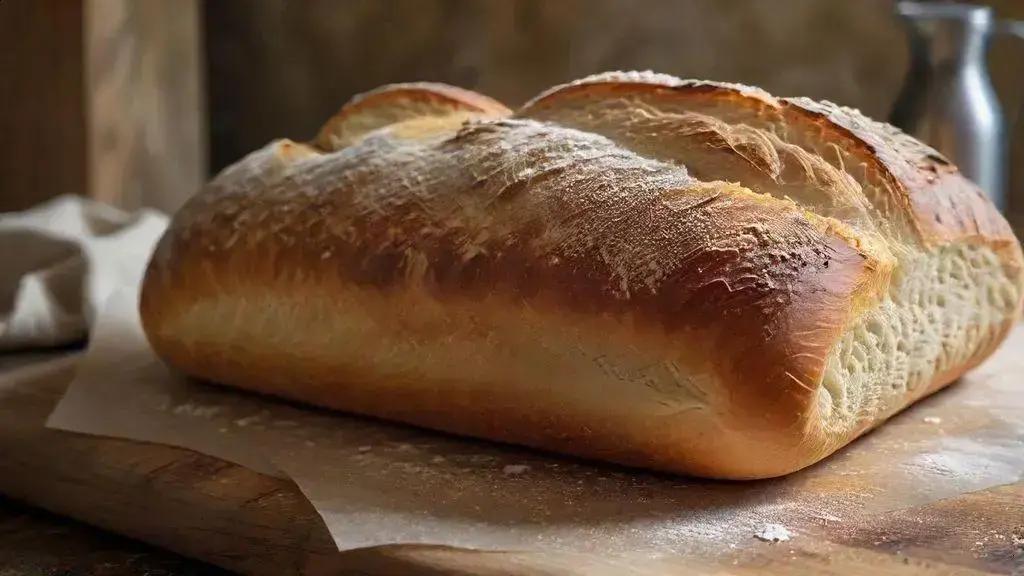
Ciabatta, the classic Italian bread, brings a golden crust and soft crumb. Learn an easy way to bake authentic ciabatta at home!
Ingredients
Method
- Combine 0.5 cup lukewarm water, 0.5 teaspoon sugar, and 1 teaspoon dry yeast in a bowl. Let it sit for 10 minutes until foamy.
- Add 3 cups bread flour and 1 cup room temperature water to the bowl. Mix until fully incorporated. The dough will be sticky.
- Stir in 1.5 teaspoons salt and 2 tablespoons olive oil. Mix until the dough is smooth, scraping down the sides as needed.
- Cover the bowl with a clean kitchen towel or plastic wrap. Let the dough rise in a warm place for about 90 minutes, until doubled in size.
- Lightly flour a work surface. Turn the dough onto it and fold gently a few times. Shape into a rough rectangle, being careful not to deflate the air bubbles.
- Transfer the shaped dough onto a parchment-lined baking tray. Cover loosely and let rise again for 45-60 minutes.
- Preheat your oven to 220°C (428°F). When ready, sprinkle the loaf lightly with flour.
- Bake for 30-35 minutes until the ciabatta is golden brown and makes a hollow sound when tapped underneath.
- Cool on a wire rack for at least 20 minutes before slicing and serving.
Notes
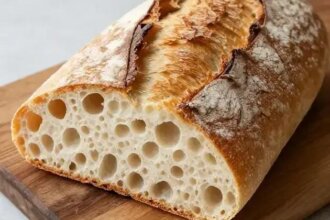
Ciabatta’s charm lies in its rustic crust and open, airy crumb—making it an essential on many Italian tables. This classic bread is amazingly versatile: perfect for sandwiches, dipping in olive oil, or even alongside a hearty soup.
Getting a great rise is key for ciabatta’s airy holes. The dough is supposed to be very sticky, so don’t be tempted to add more flour. Instead, use well-floured hands and tools when shaping it. It’s normal for the dough to feel loose—this type of hydration is what gives ciabatta its unique texture.
For the best flavor, let the dough rise slowly at a slightly cooler temperature, or do a long, overnight ferment in the fridge. This enhances both texture and taste with minimal effort!
If you don’t have bread flour, you can use all-purpose flour, but your crumb may not be quite as open. For a richer flavor, add a tablespoon of rye flour to the mix. Can’t find olive oil? A neutral vegetable oil will work, though you’ll lose a bit of the classic aroma.
Extra Tips and Serving Ideas
- Steam in the oven for a crustier loaf: Place a pan of water on the oven floor during the first 10 minutes of baking.
- Let the bread cool fully before slicing—this preserves its lovely holes.
- Try slicing ciabatta and toasting it for crostini, or use it as a base for bruschetta.
- Pair with cured meats, soft cheeses like burrata, or a simple drizzle of extra virgin olive oil and sea salt.
- Ciabatta is excellent for soaking up sauces or using in gourmet paninis—experiment with fillings like roasted vegetables or smoked salmon.