
📄 Some content on this site was written with AI assistance and reviewed by Mileni Sabatini before publishing.
I spent a while trying to figure out why my hummus never tasted as smooth as the hummus from the Lebanese restaurant near my office. I tried different brands of tahini. I tried roasting the garlic. I tried adding more lemon. None of it made a significant difference.
The answer turned out to be the chickpea skins. When you blend cooked chickpeas with their skins on, you get a slightly grainy texture no matter how long you run the processor. When you remove the skins first, the result is noticeably smoother. It’s tedious — you pinch each chickpea and the skin slips off — and it takes about 10 minutes for a can of chickpeas. Worth it if you care about the texture.
The other thing that helps: blend the tahini and lemon juice together first before adding the chickpeas. This emulsifies the tahini and makes the final dip lighter and creamier. Add ice-cold water a tablespoon at a time while blending to get the consistency you want. The cold water also keeps the hummus from turning gray.
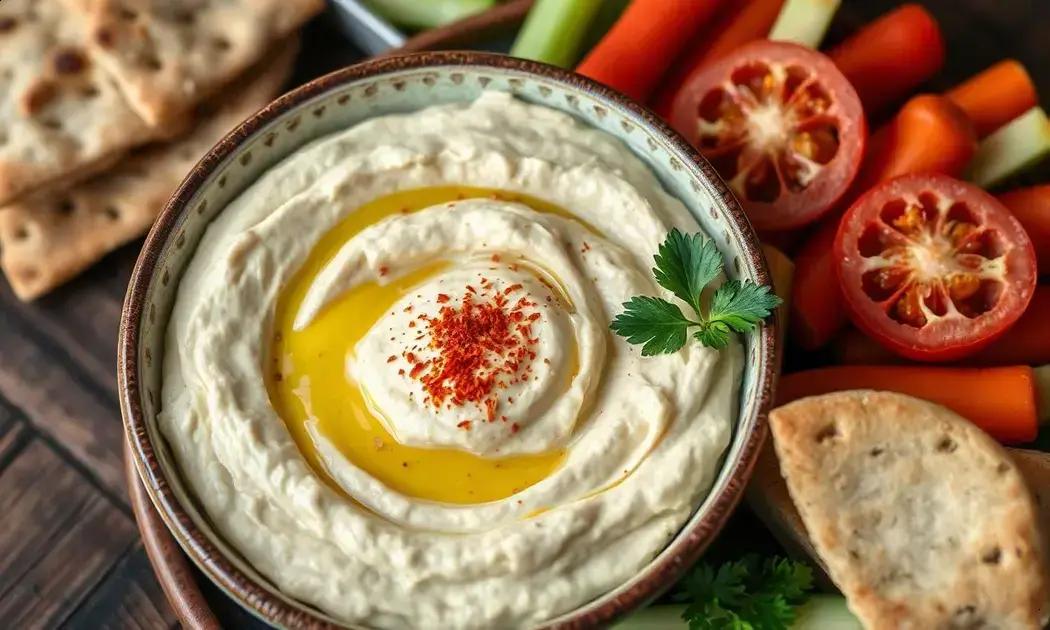
hummus
Ingredients
Method
- In a food processor, add the cooked chickpeas, tahini, lemon juice, minced garlic, olive oil, ground cumin, and salt.
- Process until smooth, stopping a few times to scrape the sides of the bowl for even blending.
- With the processor running, gradually add the filtered water until the hummus reaches your desired creamy consistency.
- Taste and adjust for salt or lemon juice, if needed.
- Transfer the hummus to a serving bowl. Drizzle with a little olive oil and garnish with paprika and fresh parsley if desired.
- Serve with pita bread, crackers or fresh veggies for dipping. Enjoy!
Notes
Practical Tips for Perfect Hummus
- For ultra-smooth hummus, peel your chickpeas after cooking. Simply squeeze each chickpea gently between your fingers—the skins slip right off—and this makes a world of difference for texture.
- Use ice-cold water when blending, which helps achieve a lighter and fluffier result.
- No tahini? Try substituting with natural cashew or almond butter for a slightly different, but still delicious, take.
- Adjust to taste! Play around with the amount of lemon juice, olive oil, or garlic to meet your flavor preferences—you can always start mild and add more.
- If using canned chickpeas, rinse them thoroughly to remove excess sodium and achieve a purer chickpea flavor.
Technique Insights
Pulsing your ingredients first, before fully blending, helps the processor break down the chickpeas evenly. Don’t rush—let your food processor run a little longer than you think necessary for a truly luscious texture. If hummus thickens in the fridge, simply mix in a splash of water or olive oil to revive its creamy consistency.Serving and Variation Ideas
- Serve hummus with warm pita, crunchy crudités, or as a sandwich spread—its uses go far beyond just a dip.
- For a twist, blend in roasted red peppers, sun-dried tomatoes, or fresh herbs like cilantro or basil for new flavors and colors.
- Top with whole chickpeas, toasted sesame seeds, za’atar, or a swirl of harissa for extra visual appeal and flavor.