
📄 Some content on this site was written with AI assistance and reviewed by Mileni Sabatini before publishing.
There’s something comforting about the way warm, soft chickpeas blend with creamy tahini in this recipe, creating a luscious dip that you’ll want to spread on everything. I always rinse my canned chickpeas under cold water before using them; it helps remove excess sodium and gives the dish a cleaner flavor. The balance of spices and the richness of the tahini elevate it to a satisfying level, making this a go-to for both a quick snack and as a companion to a meal.
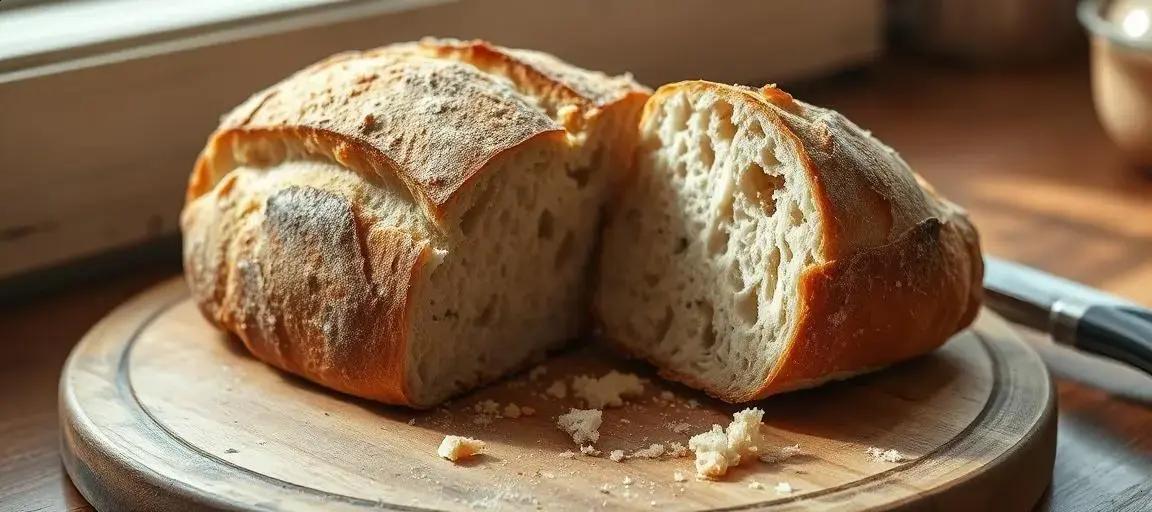
ciabatta
Ingredients
Method
- Combine flour, yeast, and salt in a large bowl. I always mix the flour and salt together first, then sprinkle the yeast in, so it spreads more evenly.
- Add the warm water and olive oil. Stir with a wooden spoon or your hand until all the flour is just incorporated. The dough should look sticky and a little messy — that's right for ciabatta.
- Cover the bowl tightly with plastic wrap or a plate, and let it rise out of direct sun for 90–120 minutes. It will look puffed and a bit bubbly on top.
- Flour your surface generously. Use a rubber spatula to scrape the sticky dough onto the counter. Don't knead. Instead, gently stretch into a rectangle, then fold like a letter: one third over the middle, then the other third on top.
- Flip the dough seam-side down on a parchment-lined baking sheet. Shape it gently into a rough loaf, about 10 inches long. Wet your fingers to help stop sticking if needed.
- Let it rest uncovered while you preheat the oven to 230°C (450°F) for about 30 minutes. The loaf will spread a bit and look relaxed.
- Bake for 22–25 minutes on the middle rack until the crust is deeply golden and the loaf sounds hollow when tapped underneath. If you have a cast iron pan, throw a few ice cubes in the bottom of the oven when you put the bread in — the steam helps the crust.
- Cool on a rack at least 25 minutes before slicing. Cutting early makes it gummy inside.
Notes
What actually matters for ciabatta
Sticky dough is good dough. Don’t be tempted to add more flour when mixing or shaping — wetter dough means bigger air pockets. I often need to flour my hands and the surface generously, but I’d rather deal with sticky fingers than a dense loaf. I skip kneading entirely. Those stretch-and-folds (think 'letter fold' with the dough) are enough to develop structure. If you forget which side is the seam, just bake seam-side down — it still works. Steam is a game-changer. If you have a cast iron skillet, toss a couple of ice cubes in the oven when the bread goes in. Makes a huge difference for that shattery crust.Substitutions and what not to swap
Bread flour is key here. I’ve tried with all-purpose — the bread comes out edible but flatter and less chewy. No need for fancy imported flour, but don’t use whole wheat (too heavy for this style). Can’t wait for 2 hours’ proof? If your kitchen is cool, I sometimes stick the bowl in an off oven with the light on. Cuts rise time by 15–20 minutes.Storage and make-ahead
Like most rustic breads, ciabatta is best within a few hours of baking. Day two, I toast thick slices for panini or soup. You can freeze slices in a zip bag and re-crisp them straight from the freezer in the toaster or oven — the crust actually comes back nicely.I keep coming back to ciabatta when I want bread that feels special but doesn’t tie me to the kitchen all day. The crackly crust and chewy, open crumb actually get better the less you fuss with it.
What actually matters for ciabatta
Sticky dough is good dough. Don’t be tempted to add more flour when mixing or shaping — wetter dough means bigger air pockets. I often need to flour my hands and the surface generously, but I’d rather deal with sticky fingers than a dense loaf.
I skip kneading entirely. Those stretch-and-folds (think ‘letter fold’ with the dough) are enough to develop structure. If you forget which side is the seam, just bake seam-side down — it still works.
Steam is a game-changer. If you have a cast iron skillet, toss a couple of ice cubes in the oven when the bread goes in. Makes a huge difference for that shattery crust.
Substitutions and what not to swap
Bread flour is key here. I’ve tried with all-purpose — the bread comes out edible but flatter and less chewy. No need for fancy imported flour, but don’t use whole wheat (too heavy for this style).
Can’t wait for 2 hours’ proof? If your kitchen is cool, I sometimes stick the bowl in an off oven with the light on. Cuts rise time by 15–20 minutes.
Storage and make-ahead
Like most rustic breads, ciabatta is best within a few hours of baking. Day two, I toast thick slices for panini or soup. You can freeze slices in a zip bag and re-crisp them straight from the freezer in the toaster or oven — the crust actually comes back nicely.