
📄 Some content on this site was written with AI assistance and reviewed by Mileni Sabatini before publishing.
The moment you take a bite, the warm, slightly charred edges of these roasted vegetables contrast beautifully with their tender, caramelized centers. I always toss them in a bit of olive oil and sea salt before roasting, which helps enhance their natural sweetness and brings out the vibrant flavors. Remember not to overcrowd your baking sheet; giving them space allows for that perfect golden-brown char that adds depth to each bite.
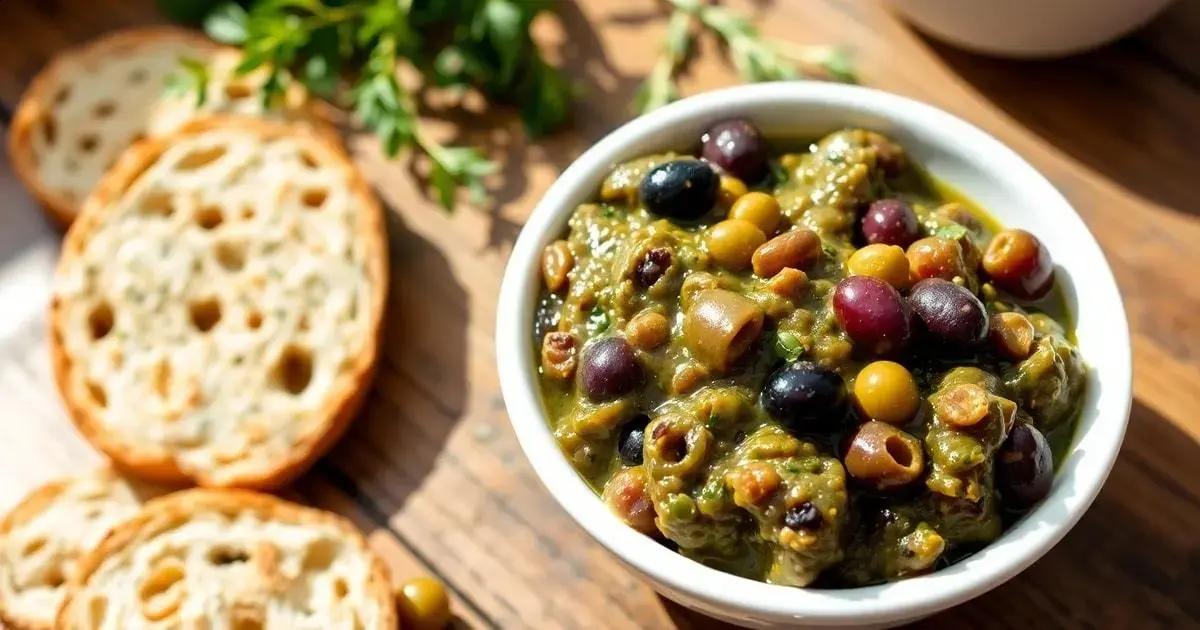
olive tapenade
Ingredients
Method
- Add black olives, green olives, capers, anchovies (if using), and garlic to a food processor or mini-chopper. Don’t overfill; if you have a small processor, do this in batches.
- Pulse just a few times until chopped. You want a rough, chunky texture — stop before it turns into a paste.
- Scrape down the sides. Add olive oil, lemon juice, thyme, and black pepper. Pulse again until everything mixes but still has some small pieces.
- Taste and adjust: I usually add half the lemon juice at first, then more as needed for brightness. If it’s too thick, add a splash more olive oil.
- Scoop into a serving bowl. Serve with crusty bread, crackers, or raw veggies. Leftovers keep in a covered container in the fridge for up to 5 days.
Notes
Tips from my kitchen
If you want the tapenade to have that classic chunky texture, pulse — don’t puree — in the food processor. I stop after four or five short bursts, then scrape down the sides and check for even chopping. More than that and you get a paste, which is fine for some, but I like to see little bits of olive still intact. Anchovies are traditional, and I use them when I have them, but you won’t ruin things if you skip them. The key is draining capers — if you skip this, the tapenade can get watery. Don’t rinse; just press gently in a strainer or use a paper towel. One little move: mix in half the lemon juice before tasting. Some olives are wildly saltier than others, and sometimes a little extra acid brings everything into balance. This isn’t just about preference — it changes the whole mood of the finished spread.Variations and swaps
Kalamata or Castelvetrano olives both work beautifully, or use a mix if your store sells loose olives by the scoop. If you don’t have thyme, parsley or even a pinch of oregano work. I've tried fresh basil here, but it can make the color a bit muddy and the flavor a little sweet — not my favorite. For extra protein, mash in a couple tablespoons of soft white beans at the end — this makes it spreadable but doesn’t change the character. I don’t recommend swapping all the oil for water or broth; tapenade needs that glossy, rich texture to feel right.Storage and make-ahead
Tapenade actually gets better after a few hours in the fridge. I make it on Sunday, keep it in a glass jar, and use it to top toast or mix into cooked grains all week. Just let it come to room temperature before serving — cold olive oil can dull the flavors.I reach for olive tapenade on busy nights when I need something homemade that feels special but takes almost no effort. The salty, briny flavor wakes up any bread or veggie plate instantly.
Tips from my kitchen
If you want the tapenade to have that classic chunky texture, pulse — don’t puree — in the food processor. I stop after four or five short bursts, then scrape down the sides and check for even chopping. More than that and you get a paste, which is fine for some, but I like to see little bits of olive still intact.
Anchovies are traditional, and I use them when I have them, but you won’t ruin things if you skip them. The key is draining capers — if you skip this, the tapenade can get watery. Don’t rinse; just press gently in a strainer or use a paper towel.
One little move: mix in half the lemon juice before tasting. Some olives are wildly saltier than others, and sometimes a little extra acid brings everything into balance. This isn’t just about preference — it changes the whole mood of the finished spread.
Variations and swaps
Kalamata or Castelvetrano olives both work beautifully, or use a mix if your store sells loose olives by the scoop. If you don’t have thyme, parsley or even a pinch of oregano work. I’ve tried fresh basil here, but it can make the color a bit muddy and the flavor a little sweet — not my favorite.
For extra protein, mash in a couple tablespoons of soft white beans at the end — this makes it spreadable but doesn’t change the character. I don’t recommend swapping all the oil for water or broth; tapenade needs that glossy, rich texture to feel right.
Storage and make-ahead
Tapenade actually gets better after a few hours in the fridge. I make it on Sunday, keep it in a glass jar, and use it to top toast or mix into cooked grains all week. Just let it come to room temperature before serving — cold olive oil can dull the flavors.