
📄 Some content on this site was written with AI assistance and reviewed by Mileni Sabatini before publishing.
The moment the rich, creamy sauce clings to the tender pasta, you know you’re in for a treat. I always make sure to reserve a bit of pasta water before draining; adding just a splash to the sauce brings everything together beautifully, giving it that silky texture. It’s all about balancing the flavors, and this approach keeps each bite cohesive and satisfying. Dive in, and you’ll see how a few simple steps can elevate your meal from ordinary to something special.
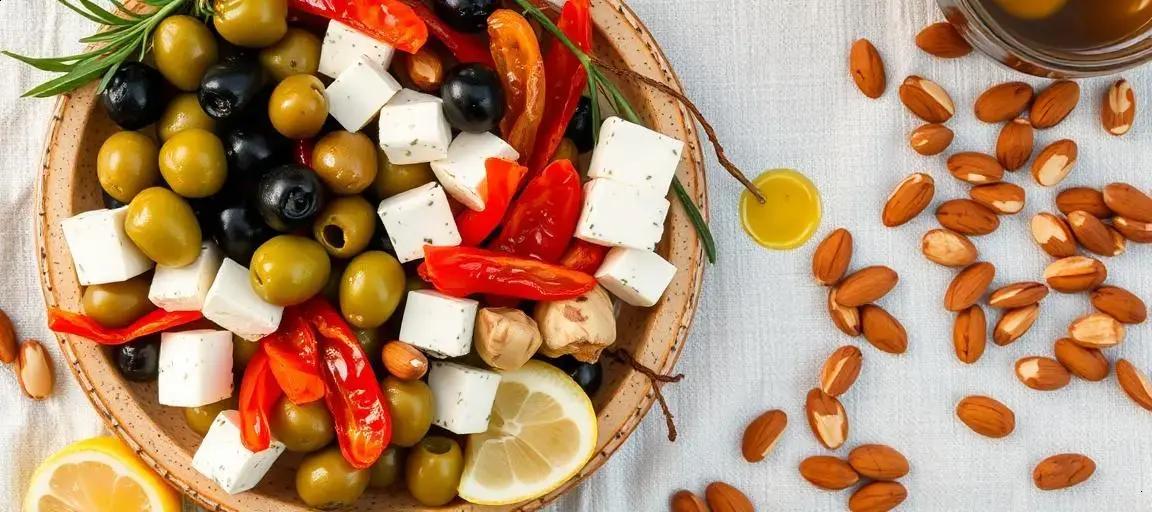
olives platter
Ingredients
Method
- Start by draining the olives, roasted red peppers, and artichoke hearts. Pat them gently with a paper towel if they’re very wet. This keeps the platter from getting soggy.
- Place the olives in small piles or sections on your platter. I like to mix green and black, but keep some separation so people see the options.
- Add the roasted red peppers and artichoke hearts around the olives. Try to alternate colors for a more inviting look.
- Scatter feta cubes and toasted almonds in any open spaces. Don’t pack them too tight—the goal is casual and easy to grab.
- Drizzle olive oil over everything. Not too much; just enough to add gloss (about 2 tablespoons does it).
- Tuck in lemon wedges and sprinkle fresh herbs around the platter. This gives the whole thing a fresh, bright smell.
- Add a pinch of black pepper at the end. I always save this for last—it wakes up the cheese and olives.
- Serve at room temperature. The flavors sing more if they’re not straight from the fridge.
Notes
Tips for building a better olives platter
Don’t skip the pits. Whole olives (with pits) hold more flavor and stay juicier. I put a little bowl for pits on the side—saves cleanup and makes snacking more casual. If your feta is packed in brine, give it a quick rinse and pat dry. This keeps the platter from turning murky, and helps the olive oil really shine. Layer, don’t mix. I make small piles instead of tossing everything together. It looks deliberate, and nobody’s fishing around for their favorite bit. Let everything sit out for 10 minutes before serving. Cold olives can taste rubbery; room temp brings out the flavor.Variations that work
Swap the almonds for toasted walnuts or hazelnuts. If you can’t do dairy, cubes of firm tofu marinated in olive oil and oregano bring nice texture—but skip vegan feta, which crumbles weird and doesn’t soak up oil the same way. Marinated mushrooms or pepperoncini also fit right in if you want one more thing on the board.Storage notes
Leftovers keep covered in the fridge for two days, but the feta gets softer and the nuts lose crispness. Hold back the nuts and add them fresh if you’re prepping ahead for a party.I throw together an olives platter whenever people show up hungry and I need something that feels generous but takes minutes. There’s a trick: it’s about contrast—soft, crunchy, briny, creamy—so every bite lands differently.
Tips for building a better olives platter
Don’t skip the pits. Whole olives (with pits) hold more flavor and stay juicier. I put a little bowl for pits on the side—saves cleanup and makes snacking more casual.
If your feta is packed in brine, give it a quick rinse and pat dry. This keeps the platter from turning murky, and helps the olive oil really shine.
Layer, don’t mix. I make small piles instead of tossing everything together. It looks deliberate, and nobody’s fishing around for their favorite bit.
Let everything sit out for 10 minutes before serving. Cold olives can taste rubbery; room temp brings out the flavor.
Variations that work
Swap the almonds for toasted walnuts or hazelnuts. If you can’t do dairy, cubes of firm tofu marinated in olive oil and oregano bring nice texture—but skip vegan feta, which crumbles weird and doesn’t soak up oil the same way.
Marinated mushrooms or pepperoncini also fit right in if you want one more thing on the board.
Storage notes
Leftovers keep covered in the fridge for two days, but the feta gets softer and the nuts lose crispness. Hold back the nuts and add them fresh if you’re prepping ahead for a party.