
📄 Some content on this site was written with AI assistance and reviewed by Mileni Sabatini before publishing.
There’s something incredibly satisfying about biting into crispy roasted vegetables that contrast with a velvety sauce, creating a balance of textures that is hard to resist. I always roast my veggies at a high temperature, ideally around 425°F, which helps to caramelize their natural sugars and intensify their flavor. This not only enhances their sweetness but also gives them that irresistible crunchy edge. It’s a simple trick that makes all the difference in elevating a dish from ordinary to memorable.
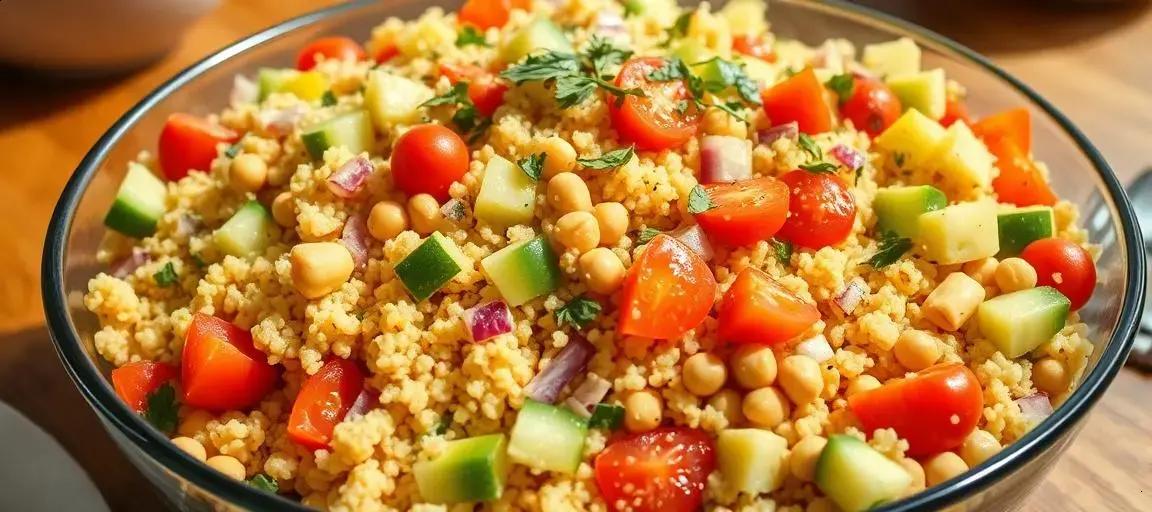
couscous salad
Ingredients
Method
- Boil 1 1/4 cups water and pour it over 1 cup couscous in a medium bowl. Cover and let it steam while you prep the other veggies, about 6–7 minutes.
- While the couscous sits, zest and juice the lemon. Chop the cucumber, halve the cherry tomatoes, and finely chop the red onion. I like to rinse the red onion under cold water to mellow its bite.
- Fluff the couscous with a fork. Add the lemon zest and juice, cucumber, tomatoes, red onion, chickpeas, parsley, and mint. Sprinkle with salt and pepper.
- Drizzle with the olive oil. Mix gently but thoroughly. I always taste and add the rest of the salt only if needed — couscous can go bland quickly if underseasoned.
- Serve at room temperature or chilled. This holds up in the fridge for up to three days (the herbs might darken but still taste good).
Notes
Practical tips that make a difference
Pour boiling water directly onto the couscous and cover tightly. You don’t need fancy tools — just a regular bowl with a plate on top works. No need to boil couscous like pasta (that just turns it mushy). Fluffing the grains right after steaming stops clumping. Rinse red onion after chopping: run it under cold water for a few seconds and drain well. Raw onion can get harsh, especially after sitting in the fridge, so this step really saves the flavor balance. I add half the salt before mixing and taste. Sometimes tomatoes and lemon bring plenty of brightness, so it’s better to finish seasoning at the end.Swaps and real substitutions
You can use whole wheat couscous for more fiber — just add another splash of water if it looks dry. Not a fan of chickpeas? White beans or diced chicken both work. I’ve tried quinoa here, but you lose the fluffy texture — not my first choice. If you only have dried herbs, use half the amount and add a little extra lemon to brighten the flavors.Meal prep and storage
Couscous salad keeps in the fridge up to three days. The herbs wilt a little but still taste fresh. If taking for lunch, pack the olive oil separately and stir it in before eating — the grains stay fluffier that way.I make couscous salad when my fridge looks bare, but I still want something that feels fresh. The grains soak up any flavor you throw at them, and it keeps me full until late afternoon — even on clinic days.
Practical tips that make a difference
Pour boiling water directly onto the couscous and cover tightly. You don’t need fancy tools — just a regular bowl with a plate on top works. No need to boil couscous like pasta (that just turns it mushy). Fluffing the grains right after steaming stops clumping.
Rinse red onion after chopping: run it under cold water for a few seconds and drain well. Raw onion can get harsh, especially after sitting in the fridge, so this step really saves the flavor balance.
I add half the salt before mixing and taste. Sometimes tomatoes and lemon bring plenty of brightness, so it’s better to finish seasoning at the end.
Swaps and real substitutions
You can use whole wheat couscous for more fiber — just add another splash of water if it looks dry. Not a fan of chickpeas? White beans or diced chicken both work. I’ve tried quinoa here, but you lose the fluffy texture — not my first choice.
If you only have dried herbs, use half the amount and add a little extra lemon to brighten the flavors.
Meal prep and storage
Couscous salad keeps in the fridge up to three days. The herbs wilt a little but still taste fresh. If taking for lunch, pack the olive oil separately and stir it in before eating — the grains stay fluffier that way.