
📄 Some content on this site was written with AI assistance and reviewed by Mileni Sabatini before publishing.
There’s something incredibly satisfying about the contrast of crispy skin against tender, juicy meat that really makes a dish shine. I always let my chicken sit at room temperature for about 30 minutes before cooking; it helps the meat cook evenly and promotes that golden, crunchy exterior. As the flavors meld and the aroma wafts through the kitchen, you’ll know you’ve got a comforting meal on your hands that’s a true crowd-pleaser.
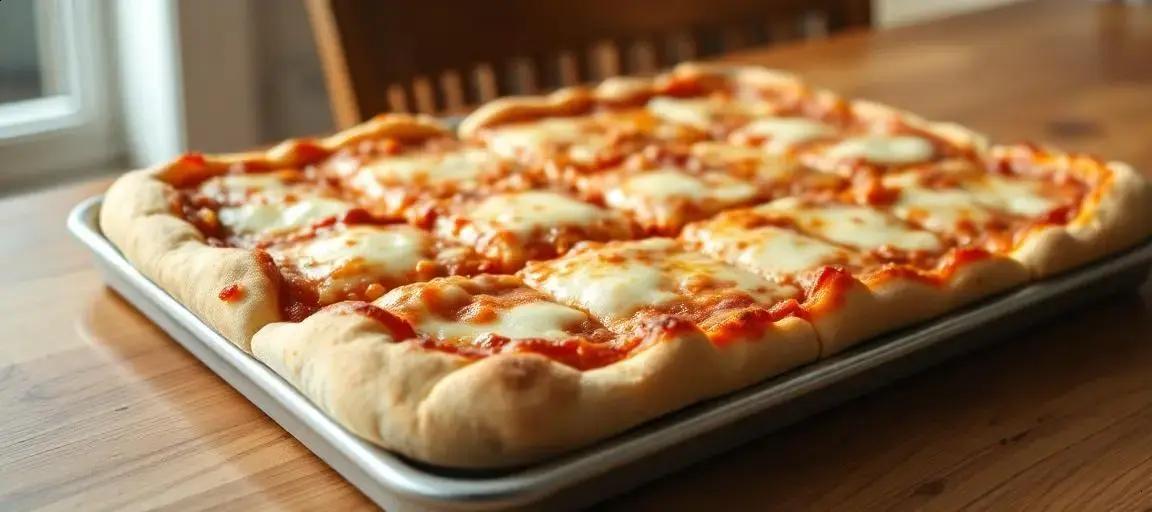
sicilian pizza
Ingredients
Method
- Add bread flour, sugar, instant yeast, and salt to a large bowl. Stir to combine.
- Pour in warm water and 2 tablespoons of olive oil. Stir with a spoon or your hand until mostly combined – it will look shaggy.
- Knead the dough in the bowl for about 2 minutes. If it’s sticking badly, sprinkle a bit more flour (no more than 1-2 tablespoons).
- Coat a 9x13-inch baking pan with the last tablespoon of olive oil. Drop in the dough and turn it to cover all sides with oil.
- Press the dough gently toward the corners of the pan. Cover with a clean kitchen towel and let it rise somewhere warm for about 30 minutes. It should get puffy and relaxed – don’t stress if it doesn’t fill every inch.
- After 30 minutes, nudge the dough out to cover most of the pan. Let it rest uncovered while you work on the topping.
- Preheat your oven to 450°F (230°C).
- Combine crushed tomatoes, dried oregano, and salt in a bowl. Drizzle in the olive oil – don’t skip this, it stops the sauce from drying out.
- Spread the tomato mixture gently onto the risen dough. Leave a 1/2-inch border all around so the crust gets crisp instead of soggy.
- Sprinkle mozzarella cheese, then parmesan, right to the edges. I always keep a tiny handful of cheese for the corners – the browned edges are the best part.
- Bake on the bottom rack for 18–20 minutes, until the cheese bubbles and the crust’s edges look golden brown. If your oven runs cool, go for the full 20.
- Let rest in the pan for 4–5 minutes before slicing – the pizza sets up and you won’t lose the toppings when serving.
Notes
Why this works at home
High hydration dough is why you get that tender, airy crumb — don’t worry if the dough seems “wet” compared to your regular pizza. Using a little more olive oil in the pan is the trick for that golden, almost fried bottom. Don’t skimp! If you’re in a rush, I’ve tested this without a second long rise: the crust won’t have the same big bubbles, but it’s still satisfying. Another tip: spread the sauce after the dough’s last rest, not before, or you risk a soggy base. If your corners always seem thin, stop spreading when the dough resists — let it relax for 5 minutes and try again. I’ve learned (the messy way) that cold hands won’t help, so run them under warm water first.Substitutions and variations that work
You can swap half the bread flour for whole wheat, but any more than that and it gets dense and less springy. No fresh mozzarella? Pre-shredded works fine here — just use a bit less, or it’ll pool grease. I wouldn’t recommend skipping the parmesan; its sharpness keeps the flavors from tasting flat. Add thinly sliced red onions or pepperoni before baking for more punch, but avoid watery vegetables unless you sauté them first — zucchini and mushrooms will make the pizza soggy if added raw.Storing and reheating
Slices keep in the fridge for up to 3 days. I reheat them in a skillet with a drop of olive oil over medium-low heat: the crust crisps back up better than in the microwave, and the top warms through before the bottom burns.I started making Sicilian pizza when I needed that pan pizza comfort but didn’t want to fuss with pizza stones or fancy ingredients. The thick, pillowy crust is forgiving, and honestly, it’s a hands-off weeknight win.
Why this works at home
High hydration dough is why you get that tender, airy crumb — don’t worry if the dough seems “wet” compared to your regular pizza. Using a little more olive oil in the pan is the trick for that golden, almost fried bottom. Don’t skimp!
If you’re in a rush, I’ve tested this without a second long rise: the crust won’t have the same big bubbles, but it’s still satisfying. Another tip: spread the sauce after the dough’s last rest, not before, or you risk a soggy base.
If your corners always seem thin, stop spreading when the dough resists — let it relax for 5 minutes and try again. I’ve learned (the messy way) that cold hands won’t help, so run them under warm water first.
Substitutions and variations that work
You can swap half the bread flour for whole wheat, but any more than that and it gets dense and less springy. No fresh mozzarella? Pre-shredded works fine here — just use a bit less, or it’ll pool grease. I wouldn’t recommend skipping the parmesan; its sharpness keeps the flavors from tasting flat.
Add thinly sliced red onions or pepperoni before baking for more punch, but avoid watery vegetables unless you sauté them first — zucchini and mushrooms will make the pizza soggy if added raw.
Storing and reheating
Slices keep in the fridge for up to 3 days. I reheat them in a skillet with a drop of olive oil over medium-low heat: the crust crisps back up better than in the microwave, and the top warms through before the bottom burns.