
📄 Some content on this site was written with AI assistance and reviewed by Mileni Sabatini before publishing.
The aroma of roasted garlic fills the kitchen, mingling with the warmth of sautéed vegetables for a cozy, inviting dish. I always start by letting the garlic get nice and golden before adding other ingredients, as this builds a depth of flavor that elevates every bite. The trick is to keep an eye on it; burnt garlic can turn everything bitter. This dynamic warming sensation, paired with vibrant colors, makes this recipe both comforting and refreshing, perfect for any day of the week.
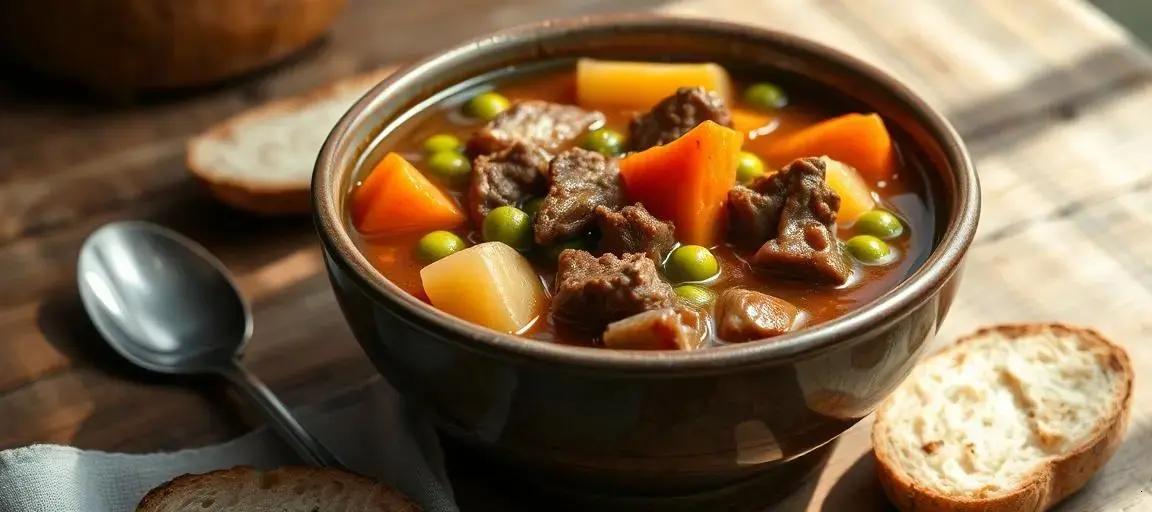
beef stew
Ingredients
Method
- Pat the beef dry with paper towels, then season all sides with salt and black pepper. This helps it brown instead of steaming.
- Heat olive oil in a large Dutch oven or heavy pot over medium-high. Add half the beef cubes (don’t crowd the pan) and brown all sides, turning with tongs, 6–8 min total. Set aside and repeat with the rest of the beef.
- Add a splash more oil if the pot looks dry. Stir in the diced onion and celery. Cook until soft, about 4 min, scraping up the browned bits with a spoon. Stir in garlic, cook 1 min.
- Add tomato paste, stir until it darkens a bit, 2 min. Sprinkle in the flour; stir 30 sec to coat veggies and absorb fat.
- Return browned beef with its juices to the pot. Pour in red wine and beef broth. Add thyme and the bay leaf. Scrape up anything stuck at the bottom — this flavor matters.
- Bring to a simmer. Cover and drop heat to low. Cook 1 hour, stirring once or twice. During this time, I check the pot around the 40-min mark in case it needs a splash of water — if it’s looking dry, go for it.
- Add carrots and potatoes. Cover again and simmer on low 45 min more, or until the beef and vegetables are fork-tender.
- Stir in peas and let them heat through, uncovered, about 5 min. Fish out the bay leaf. Taste for salt — I always add half a teaspoon first, stir, then taste again so I don’t overdo it.
- Serve hot, ideally with bread to soak up the broth. If you have leftovers, this stew tastes even richer the next day.
Notes
Tips for great stew (that recipes usually skip)
Browning your beef in batches is non-negotiable if you want a rich stew base; crowding the pot steams the meat and gives you none of that savory fond. I always do mine in two rounds, no matter what. Don't skip scraping the pot after sautéing onions and garlic — the brown bits = flavor. If you accidentally scorch the bottom, tilt in a splash of water and gently scrape; don’t settle for burnt taste. Also, I find the stew thickens naturally from the potatoes and flour, so wait until the very end before deciding if you need to simmer off more liquid or add a bit more broth.Substitutions and variations
If you don't have wine, just use extra broth — but the flavor won't be quite as rounded. I’ve swapped russets for yukon golds and even sweet potato once; flavor stays solid. If you want more protein, tossing in canned white beans with the peas works. I don’t recommend using stew meat already cut from the store (the pieces are uneven and never tender at the same time), but if that’s what you’ve got, just plan to simmer a little longer and taste for tenderness as you go.Leftovers and make-ahead
This stew actually tastes better the next day. I let it cool completely, then stash it covered in the fridge. When reheating, add a splash of water or broth — it thickens a lot overnight.I started making this beef stew for weeknights when everyone needs comfort but I still want real vegetables on the table. The longer simmer releases this deep, savory broth that can’t happen with any shortcut.
Tips for great stew (that recipes usually skip)
Browning your beef in batches is non-negotiable if you want a rich stew base; crowding the pot steams the meat and gives you none of that savory fond. I always do mine in two rounds, no matter what.
Don’t skip scraping the pot after sautéing onions and garlic — the brown bits = flavor. If you accidentally scorch the bottom, tilt in a splash of water and gently scrape; don’t settle for burnt taste. Also, I find the stew thickens naturally from the potatoes and flour, so wait until the very end before deciding if you need to simmer off more liquid or add a bit more broth.
Substitutions and variations
If you don’t have wine, just use extra broth — but the flavor won’t be quite as rounded. I’ve swapped russets for yukon golds and even sweet potato once; flavor stays solid. If you want more protein, tossing in canned white beans with the peas works. I don’t recommend using stew meat already cut from the store (the pieces are uneven and never tender at the same time), but if that’s what you’ve got, just plan to simmer a little longer and taste for tenderness as you go.
Leftovers and make-ahead
This stew actually tastes better the next day. I let it cool completely, then stash it covered in the fridge. When reheating, add a splash of water or broth — it thickens a lot overnight.