
📄 Some content on this site was written with AI assistance and reviewed by Mileni Sabatini before publishing.
The moment you bite into a fresh, warm pita, that heavenly puffiness gives way to a soft, chewy center that’s hard to resist. I find that letting the dough rest longer helps develop that perfect texture, making it easier to roll out without shrinking back. While the pitas are baking, I always brush a bit of olive oil on them for added flavor and a golden finish. This simple step can elevate the bread, making it the perfect companion for dips or your favorite fillings.
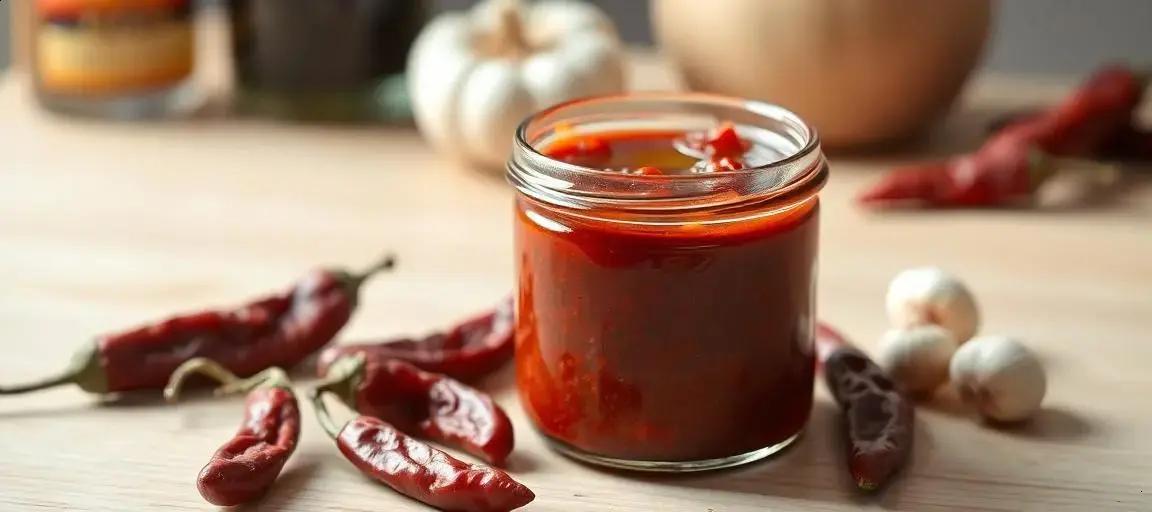
harissa
Ingredients
Method
- Wear gloves if you're handling hot chilies. Remove stems and shake out as many seeds as you can. Soak the chilies in hot water for 15 minutes—it softens them up and takes away some bitterness.
- Drain the chilies and add them to a food processor with garlic, tomato paste, cumin, coriander, caraway, smoked paprika, lemon juice, and salt. Blend until you get a mostly smooth paste. If it looks dry, drizzle in a little olive oil as you go.
- Once mostly smooth, scrape down the sides. Drizzle in the remaining olive oil slowly with the processor running, until you see the paste glisten and loosen up.
- Taste for salt and heat. Add more salt a pinch at a time—I've noticed harissa needs just a bit more than you'd think to pop. If it's harsh, give it 10 minutes to settle, then taste again.
- Transfer to a small glass jar. Add a thin layer of olive oil on top. This keeps the paste from drying out and extends fridge life. Keep refrigerated and use within 3–4 weeks.
Notes
Tips for making harissa that actually keeps its flavor
Seed those chilies before soaking. It takes a couple extra minutes but keeps the heat at the "I want more" level instead of "my mouth is on fire." I always give them a rough chop too—it hydrates them faster and blends easier. The magic, honestly, is in adding olive oil right at the end. Pouring it in slowly, after blending, turns the paste glossy and rich. If you pour it all in at once, it never gets that spoonable texture. If you want your harissa extra smoky, try toasting the caraway seeds for a minute in a dry pan before blending. Just don't walk away—they burn fast.Swaps and good variations
If you don't have caraway seeds, a pinch of fennel gives a different but good complexity. Smoked paprika is non-traditional but really brings a subtle barbecue vibe—skip it if you want a more classic North African flavor. I’ve tried subbing lemon juice for red wine vinegar in a pinch. It works, but I only use half as much vinegar or the acid takes over.How I store and use it
Keep harissa in a glass jar with a layer of olive oil on top. I scoop what I need, then always re-cover with oil. It lasts 3–4 weeks if you remember this step. I toss a spoon into roasted vegetables, stirred into yogurt for a fast dip, or brushed on chicken thighs before grilling.I started making harissa at home after getting tired of little jars going bland in my fridge. When you whip it up fresh, it hits you with real chili kick and smoky depth that just doesn’t hang around in store versions.
Tips for making harissa that actually keeps its flavor
Seed those chilies before soaking. It takes a couple extra minutes but keeps the heat at the “I want more” level instead of “my mouth is on fire.” I always give them a rough chop too—it hydrates them faster and blends easier.
The magic, honestly, is in adding olive oil right at the end. Pouring it in slowly, after blending, turns the paste glossy and rich. If you pour it all in at once, it never gets that spoonable texture.
If you want your harissa extra smoky, try toasting the caraway seeds for a minute in a dry pan before blending. Just don’t walk away—they burn fast.
Swaps and good variations
If you don’t have caraway seeds, a pinch of fennel gives a different but good complexity. Smoked paprika is non-traditional but really brings a subtle barbecue vibe—skip it if you want a more classic North African flavor.
I’ve tried subbing lemon juice for red wine vinegar in a pinch. It works, but I only use half as much vinegar or the acid takes over.
How I store and use it
Keep harissa in a glass jar with a layer of olive oil on top. I scoop what I need, then always re-cover with oil. It lasts 3–4 weeks if you remember this step. I toss a spoon into roasted vegetables, stirred into yogurt for a fast dip, or brushed on chicken thighs before grilling.