
📄 Some content on this site was written with AI assistance and reviewed by Mileni Sabatini before publishing.
The moment you take this dish off the heat, you’ll notice the inviting aroma of seasoned vegetables mingling with the rich, comforting warmth of the sauce. I always make sure to let it rest for a few minutes before serving; this allows the flavors to deepen and meld together beautifully. You don’t want to rush it—trust me, this small step makes a big difference in taste and texture, helping everything come together perfectly for a satisfying meal.
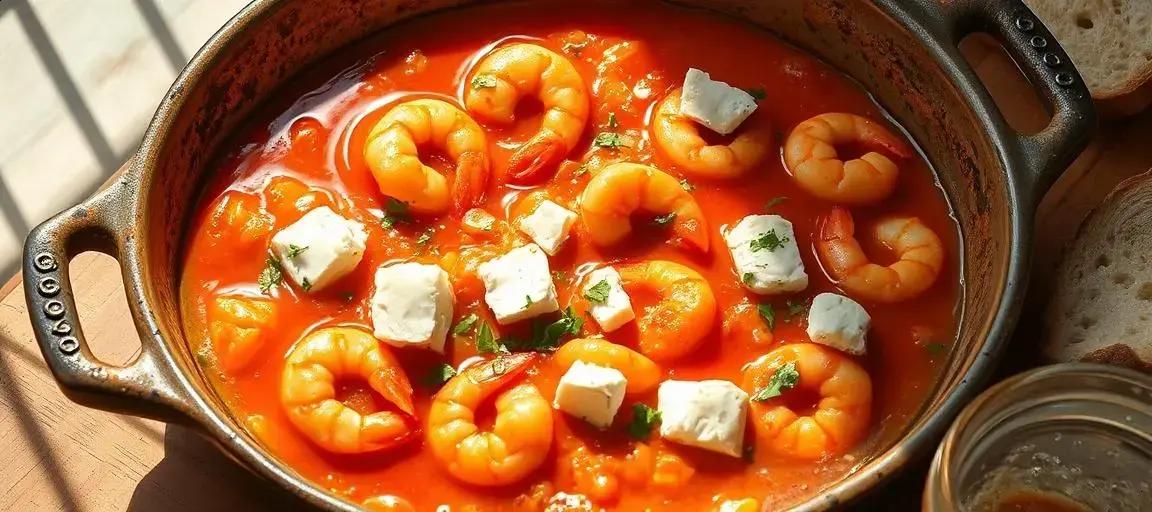
shrimp saganaki
Ingredients
Method
- Pat the shrimp dry with a paper towel so they sear instead of steaming. Set aside.
- Heat olive oil in a large skillet over medium. When you see a shimmer, add the onion. Sauté, stirring often, for about 4 minutes until soft and just golden.
- Add garlic. Stir for 30 seconds — don’t let it brown or it’ll taste bitter.
- Pour in the crushed tomatoes, chili flakes, oregano, black pepper, and half the salt. Simmer, uncovered, for 10–12 minutes, stirring now and then. The sauce should thicken slightly and smell sweet.
- Scatter the shrimp into the sauce in a single layer. Cover the pan, cook 3 minutes, then check: shrimp turn pink and just curl. Ditch the lid after 2 minutes if you see lots of liquid — shrimp get rubbery if overcooked.
- Sprinkle the feta over everything. Let it melt in for 1 minute, then kill the heat.
- Add lemon zest and parsley right before serving. Taste, add more salt if needed (sometimes the feta is salty enough).
Notes
How I keep the flavors sharp
Don’t use pre-crumbled feta for this. I always buy a block and crumble it myself, since the texture and flavor are just fresher. The same goes for tomatoes: if you’re lucky enough to have ripe fresh ones, chop them up and use 400g, including juices. In winter, good canned tomatoes do the job. One thing I always do—pat the shrimp dry before they go into the pan. If they’re wet, they’ll poach instead of sear and get soggy. And don’t skip the lemon zest at the end: it lifts the whole dish, especially with rich feta.Substitutions and smart swaps
You can make this with good frozen shrimp, just thaw them fully and dry them well. Halloumi works if you’re out of feta, but it won’t melt—you’ll get chewy cubes, which can be fun but different. I’ve tried using chicken chunks when I ran out of shrimp, but the sauce doesn’t cling in quite the same way; I don’t recommend it unless you’re out of options.Storage and meal prep
Shrimp saganaki is best eaten right after cooking. Leftovers will keep in the fridge, sealed, for up to a day, but shrimp do go rubbery if reheated too long. I sometimes make the tomato sauce ahead and keep it chilled—then it’s just heat, add shrimp, and finish in five minutes on a busy night.I lean on shrimp saganaki whenever I want a one-pan dinner that still feels special—especially in summer when tomatoes start to taste like something. It’s quicker than most people expect; shrimp really do cook in minutes, so all the magic is in the sauce.
How I keep the flavors sharp
Don’t use pre-crumbled feta for this. I always buy a block and crumble it myself, since the texture and flavor are just fresher. The same goes for tomatoes: if you’re lucky enough to have ripe fresh ones, chop them up and use 400g, including juices. In winter, good canned tomatoes do the job.
One thing I always do—pat the shrimp dry before they go into the pan. If they’re wet, they’ll poach instead of sear and get soggy. And don’t skip the lemon zest at the end: it lifts the whole dish, especially with rich feta.
Substitutions and smart swaps
You can make this with good frozen shrimp, just thaw them fully and dry them well. Halloumi works if you’re out of feta, but it won’t melt—you’ll get chewy cubes, which can be fun but different. I’ve tried using chicken chunks when I ran out of shrimp, but the sauce doesn’t cling in quite the same way; I don’t recommend it unless you’re out of options.
Storage and meal prep
Shrimp saganaki is best eaten right after cooking. Leftovers will keep in the fridge, sealed, for up to a day, but shrimp do go rubbery if reheated too long. I sometimes make the tomato sauce ahead and keep it chilled—then it’s just heat, add shrimp, and finish in five minutes on a busy night.