
📄 Some content on this site was written with AI assistance and reviewed by Mileni Sabatini before publishing.
The moment you pull this dish from the oven, the golden crust on top gives way to a tender, flavorful interior that encapsulates all the warm, comforting notes of home. I always let it rest for about 10 minutes before serving; this extra step allows the flavors to settle and makes it easier to slice without falling apart. It’s these little details that elevate a meal from just okay to something special, making each bite a reminder of why I love cooking.
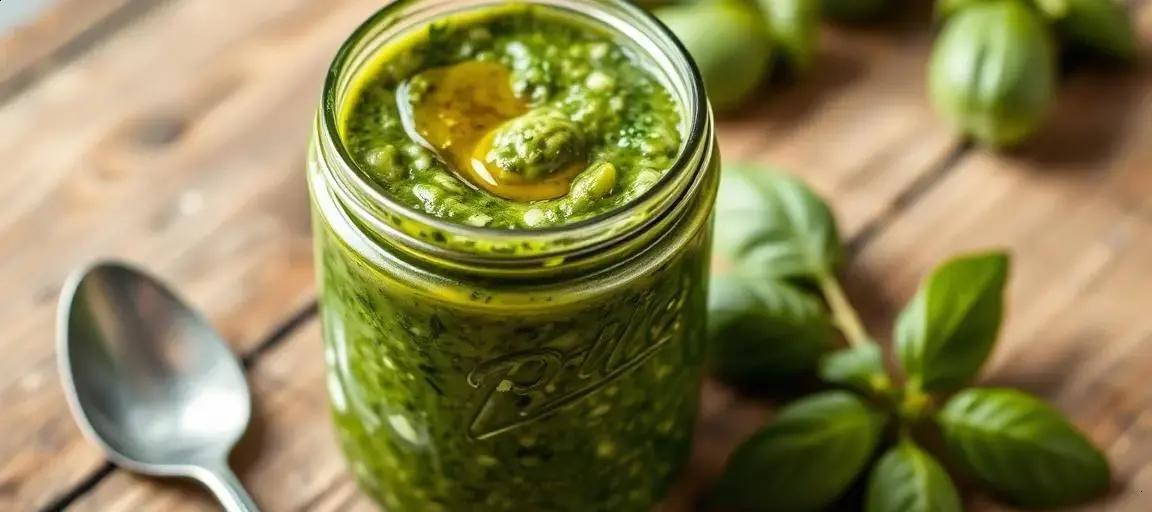
pesto sauce
Ingredients
Method
- Toast the nuts: Heat a dry skillet over medium and toast the pine nuts (or walnuts) for about 3 minutes, shaking the pan often. They should smell nutty and pick up a little color, but don’t let them go past golden. Set aside to cool slightly.
- Blend the base: In a food processor, pulse the basil leaves, toasted nuts, garlic, and half the salt until everything looks finely chopped (about 8–10 pulses).
- Add cheese: Add the grated Parmesan and pulse 2–3 times. You want it mixed, but not totally smooth—there should still be a little texture.
- Drizzle in olive oil: With the machine running, pour the olive oil in a slow stream. Scrape down the sides if needed.
- Final seasoning: Taste and add the rest of the salt if needed. Add all the pepper and pulse one more time.
- Store or serve: Use right away, or spoon into a clean jar. Cover with a thin layer of olive oil if storing – this helps keep it green in the fridge for up to a week.
Notes
How to get pesto just right
If your pesto ever turns out bitter, it’s usually two things: old basil or over-blended nuts. I always use basil that’s still bright and not wilted. For the nuts, pulsing (not pureeing) is key—if you go too far, pine nuts or walnuts can make the whole batch taste off. I also toast the nuts in a dry pan. This brings out way more flavor, and you don’t get those pale, bland pieces in the finished sauce. When adding salt, I start with half, blend, then taste and finish seasoning at the end—the intensity of Parmesan can really vary. Also, pour the olive oil in a slow stream with the motor running. It helps the pesto emulsify and look glossy, not oily.Substitutions and swaps
No pine nuts at home? Walnuts work better than almonds or cashews for classic flavor. If you’re dairy-free, nutritional yeast kind of fills in for Parmesan—but don’t expect the same creamy, nutty hit. Skip pre-grated cheese (it clumps and tastes flat after blending).Storage and meal prep
Homemade pesto lasts about a week in the fridge if you top it with a thin layer of olive oil every time you scoop some out. Freeze leftovers in an ice cube tray, then toss a couple cubes into hot pasta or roast veggies—instant upgrade, no last-minute chopping.I make pesto at home because the jar stuff just doesn’t hit the same way—plus, I can control the texture and the punch of basil.
How to get pesto just right
If your pesto ever turns out bitter, it’s usually two things: old basil or over-blended nuts. I always use basil that’s still bright and not wilted. For the nuts, pulsing (not pureeing) is key—if you go too far, pine nuts or walnuts can make the whole batch taste off. I also toast the nuts in a dry pan. This brings out way more flavor, and you don’t get those pale, bland pieces in the finished sauce.
When adding salt, I start with half, blend, then taste and finish seasoning at the end—the intensity of Parmesan can really vary. Also, pour the olive oil in a slow stream with the motor running. It helps the pesto emulsify and look glossy, not oily.
Substitutions and swaps
No pine nuts at home? Walnuts work better than almonds or cashews for classic flavor. If you’re dairy-free, nutritional yeast kind of fills in for Parmesan—but don’t expect the same creamy, nutty hit. Skip pre-grated cheese (it clumps and tastes flat after blending).
Storage and meal prep
Homemade pesto lasts about a week in the fridge if you top it with a thin layer of olive oil every time you scoop some out. Freeze leftovers in an ice cube tray, then toss a couple cubes into hot pasta or roast veggies—instant upgrade, no last-minute chopping.