
📄 Some content on this site was written with AI assistance and reviewed by Mileni Sabatini before publishing.
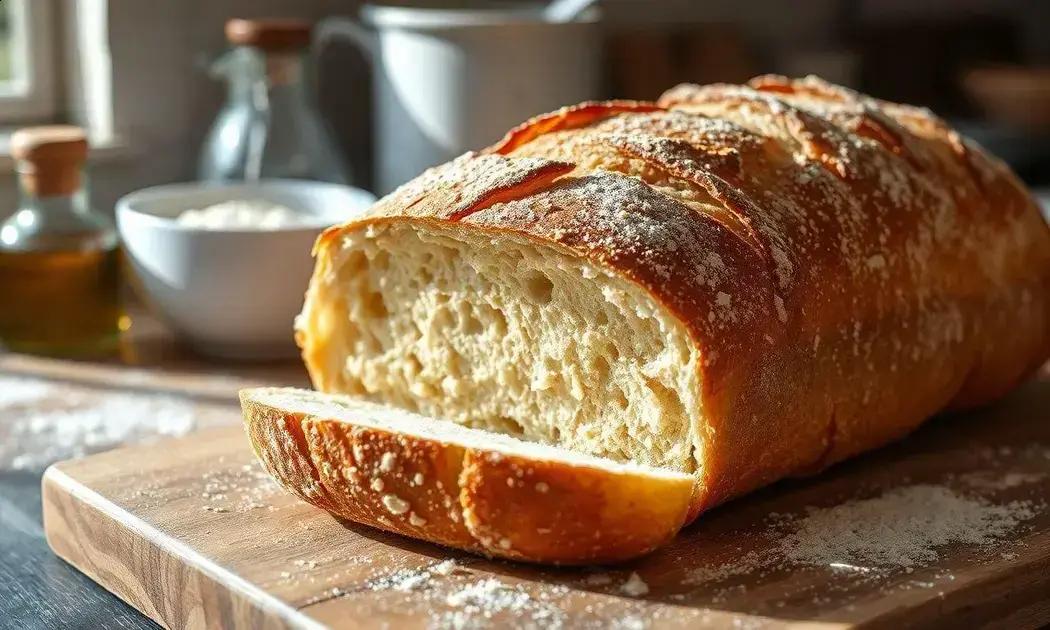
ciabatta
Ciabatta: The classic Italian bread recipe for a light, rustic loaf, with a perfectly crispy crust. Taste tradition at home!
Ingredients
Method
Dough Preparation
- In a large bowl, combine all-purpose flour, whole wheat flour, yeast, sugar, and salt. Mix well to blend all the dry ingredients.
- Add warm water, unsweetened natural yogurt, and olive oil to the dry ingredients. Stir with a spoon or your hands until a sticky dough forms.
- Knead the dough gently in the bowl for 5-7 minutes, just until it becomes smooth but still sticky. Avoid overworking the dough, as ciabatta needs to stay airy.
First Rise
- Cover the bowl with plastic wrap or a clean kitchen towel. Let the dough rest in a warm place for about 90 minutes, or until doubled in size.
Shaping and Second Rise
- Transfer the risen dough to a well-floured surface. Gently shape it into a rough rectangle, being careful not to deflate the air bubbles inside.
- Dust a baking sheet with flour, then place the shaped dough on top. Cover lightly and allow it to rest for another 30 minutes.
Baking
- Preheat your oven to 220°C (428°F) while the dough completes its final rise.
- Bake the ciabatta for 25-30 minutes, or until the crust is golden brown and the loaf sounds hollow when tapped.
Finishing and Serving
- Let the ciabatta bread cool on a wire rack for at least 15 minutes before slicing. Enjoy it fresh with olive oil or your favorite toppings.
Notes
Ciabatta is one of those fantastically versatile breads that can elevate any meal. Whether you’re making sandwiches, serving it alongside soups, or dipping it in olive oil with fresh herbs, its light, airy texture and crisp crust are always a hit. This Italian staple shines in homes for its rustic look and welcoming aroma that fills the kitchen as it bakes.
Tips for Success
- High hydration is key. Ciabatta dough is much wetter and stickier than typical bread dough. Don’t be tempted to add extra flour—embrace its sticky nature for the perfect open crumb.
- If kneading by hand gets too messy, use a bench scraper to fold the dough and keep your workspace less sticky.
- For the best flavor, replace plain whole wheat flour with bread flour or try including a little rye flour for complexity.
Mastering the Technique
- Handle gently after rising: Avoid deflating those precious air pockets when shaping your loaf.
- Dust both your hands and the shaping surface with flour. This prevents sticking and helps keep the dough airy.
- Place an empty baking tray on the lower rack while preheating your oven. Just before baking, pour a cup of hot water into that tray to create steam, which produces an even crispier crust.
Serving Suggestions & Variations
- Slice your ciabatta fresh and serve with extra virgin olive oil and balsamic vinegar for dipping.
- Use it to make delicious panini or Italian-style bruschettas topped with tomatoes, basil, and a drizzle of olive oil.
- Try adding rosemary, roasted garlic, or sun-dried tomatoes to the dough for herbed or flavored variations.
- Leftover ciabatta makes excellent croutons or can be used for bread pudding and stuffing.