
📄 Some content on this site was written with AI assistance and reviewed by Mileni Sabatini before publishing.
There’s something incredibly satisfying about biting into a warm piece of freshly baked bread with a crisp crust and a soft, airy interior. I always let my dough rest longer than most recipes suggest; it really allows the gluten to develop, resulting in that perfect rise and chewy texture. As it bakes, the aroma fills your kitchen, creating an inviting atmosphere that’s hard to resist. This isn’t just bread—it’s an experience that elevates any meal.
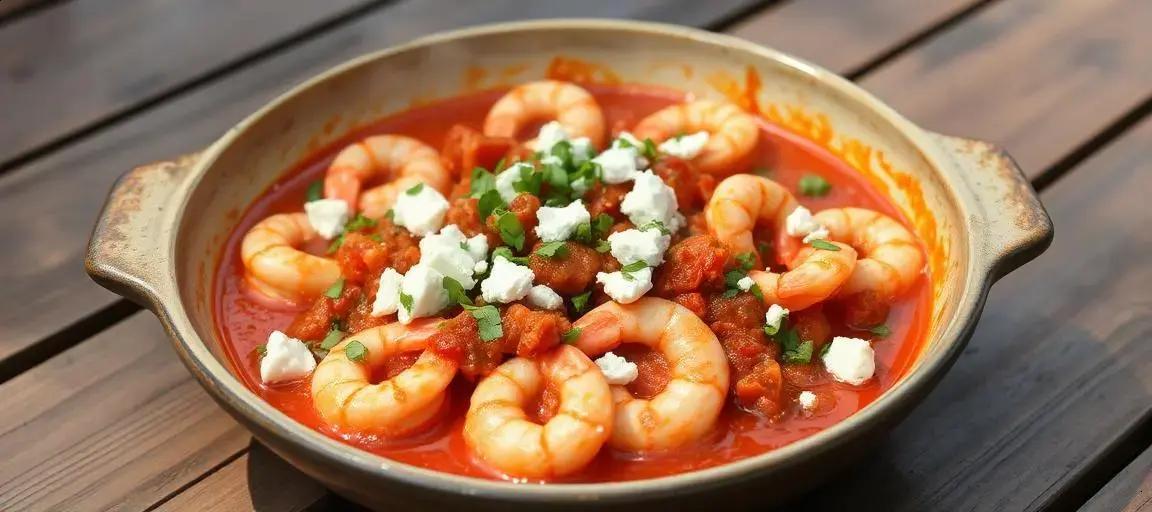
shrimp saganaki
Ingredients
Method
- Pat the shrimp dry with paper towels. This helps them sear, not steam.
- Heat olive oil in a wide pan over medium heat. When it's shimmering, add the onion. Cook for about 4–5 minutes, stirring occasionally, until soft but not browned.
- Add the garlic and cook for just 30 seconds — if it goes longer, it turns bitter fast. Pour in the white wine and let it bubble for about a minute to reduce slightly.
- Tip in the crushed tomatoes, oregano, red pepper flakes, salt, and pepper. Bring to a simmer and let it cook uncovered for 10–12 minutes, stirring a couple times. I usually taste halfway—if the tomatoes seem tart, add a pinch of sugar (not in the ingredient list, but up to you).
- Nestle the shrimp into the sauce in a single layer. Spoon some sauce over the top. Cover and cook on low for 3–4 minutes, just until the shrimp turn opaque and curl.
- Turn off the heat. Scatter the feta over the top. Let it sit, covered, for 2 minutes so the feta softens but doesn't melt completely.
- Finish with fresh parsley right before serving. I like this straight from the pan with bread for dunking, but I've also spooned the leftovers over rice or orzo.
Notes
How to make shrimp saganaki sing
Let the sauce cook down uncovered until it thickens and the tomato doesn’t taste sharp—that takes about 10 minutes, sometimes a bit more if your tomatoes are watery. I taste halfway through: sometimes I add a tiny pinch of sugar if it’s too tart. The feta will add some salt, so I go easy on salt until the end. Don’t overcook the shrimp. They go rubbery, fast. As soon as they all turn pink and opaque, stop. I’ve tried using unpeeled shrimp for flavor, but peeled works best here—shells just make the dish messy on the plate. One small thing—a handful of chopped fresh parsley on top right before serving is not just for looks. It cuts the richness and saltiness of the feta. If you’re out of parsley, a bit of fresh dill or even the green parts of scallions work too.Variations and swaps
If you’re not into shrimp, chunks of white fish (like cod) hold up surprisingly well but need about 7–8 minutes gently simmering in the sauce. I don’t recommend chicken here; it fights with the briny feta and lemon. Swap feta for soft goat cheese if you want a milder flavor, but don’t use hard cheeses—they don’t melt and you lose the creaminess.Meal prep and leftovers
Shrimp saganaki does not reheat all that well—the shrimp can get tough, and the sauce separates a bit. If you prep ahead, make the sauce up to 2 days early and store it in the fridge. Warm the sauce, then add raw shrimp and finish right before eating.I keep coming back to shrimp saganaki because it feels fresh and bright, even after a long day. There’s no cream, no heavy starch—just shrimp, feta, and that tomato sauce that always has me wiping the pan clean with bread.
How to make shrimp saganaki sing
Let the sauce cook down uncovered until it thickens and the tomato doesn’t taste sharp—that takes about 10 minutes, sometimes a bit more if your tomatoes are watery. I taste halfway through: sometimes I add a tiny pinch of sugar if it’s too tart. The feta will add some salt, so I go easy on salt until the end.
Don’t overcook the shrimp. They go rubbery, fast. As soon as they all turn pink and opaque, stop. I’ve tried using unpeeled shrimp for flavor, but peeled works best here—shells just make the dish messy on the plate.
One small thing—a handful of chopped fresh parsley on top right before serving is not just for looks. It cuts the richness and saltiness of the feta. If you’re out of parsley, a bit of fresh dill or even the green parts of scallions work too.
Variations and swaps
If you’re not into shrimp, chunks of white fish (like cod) hold up surprisingly well but need about 7–8 minutes gently simmering in the sauce. I don’t recommend chicken here; it fights with the briny feta and lemon. Swap feta for soft goat cheese if you want a milder flavor, but don’t use hard cheeses—they don’t melt and you lose the creaminess.
Meal prep and leftovers
Shrimp saganaki does not reheat all that well—the shrimp can get tough, and the sauce separates a bit. If you prep ahead, make the sauce up to 2 days early and store it in the fridge. Warm the sauce, then add raw shrimp and finish right before eating.