📄 Some content on this site was written with AI assistance and reviewed by Mileni Sabatini before publishing.
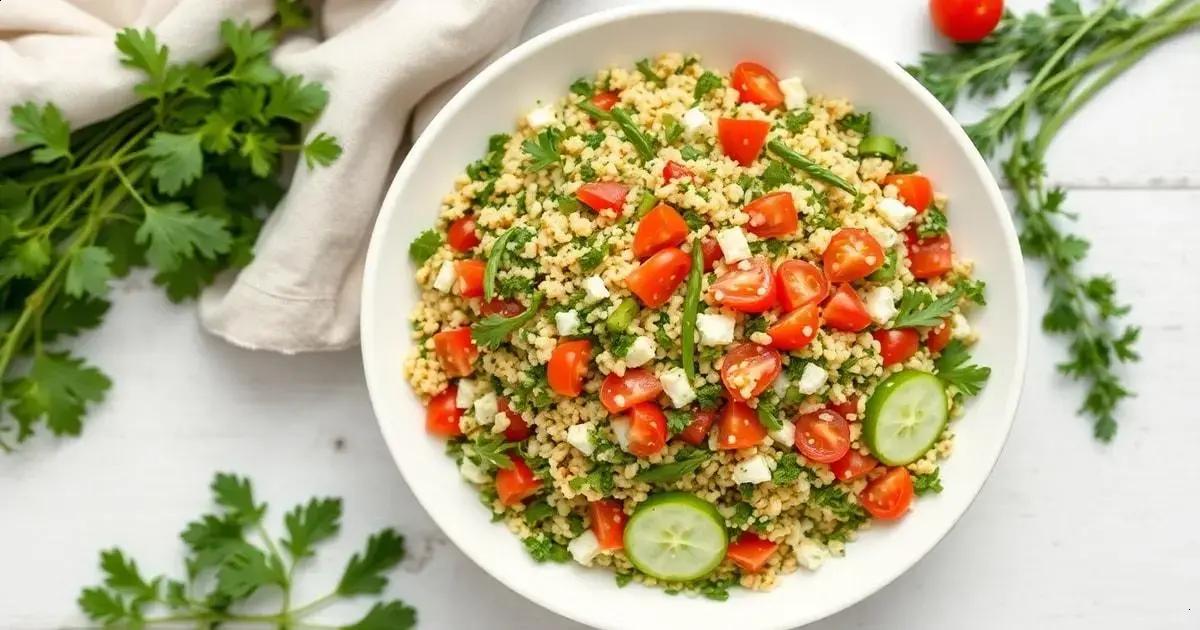
Tabbouleh is the dish I’ve made more than any other on this blog — probably 30 times in two years. The first time I made it, I used too much bulgur and not enough parsley. It tasted like a grain salad with a few herbs thrown in. The second time I flipped the ratio: more parsley, less bulgur. That version tasted like the real thing.
The key is the parsley. Not a handful. You need two full cups of finely chopped flat-leaf parsley — that’s roughly one large bunch. Don’t use curly parsley. The flat-leaf variety has a sharper, more distinct flavor that holds up to the lemon dressing.
The bulgur soaks in hot water while you chop everything else. No cooking required. The whole salad comes together in about 20 minutes, and it’s better the next day after the flavors have had time to blend. I make a big batch on Sunday and eat it through the week.
Salad
- 0.75 cup fine bulgur
- 2 cup fresh parsley finely chopped
- 0.5 cup fresh mint leaves finely chopped
- 2 unit medium tomatoes diced
- 0.5 cup cucumber diced, optional
- 3 unit spring onions thinly sliced
Place the bulgur in a medium bowl and cover with hot water. Let it soak for 10-15 minutes until tender, then drain any excess water and squeeze out unwanted moisture using a clean towel or your hands.
Finely chop the parsley and mint leaves. Dice the tomatoes and cucumber (if using), and thinly slice the spring onions.
In a large bowl, combine the drained bulgur with the chopped parsley, mint, tomatoes, cucumber, and spring onions. Toss gently to mix well.
Prepare the dressing by mixing olive oil, lemon juice, salt, and black pepper in a small bowl. Whisk well until emulsified. Pour the dressing over the salad and toss until everything is evenly coated. Taste and adjust seasoning if necessary.
Chill the tabbouleh for at least 15 minutes before serving to enhance flavors. Serve cold or at room temperature.
Tabbouleh is one of the most celebrated Middle Eastern salads and beloved worldwide for its refreshing flavors and incredible versatility. Whether enjoyed as part of a mezze spread, served at picnics, or as a healthy lunch, this vibrant salad truly shines with its abundant herbs and fresh ingredients.
For the best texture and taste, use extra-fine bulgur and make sure it is soaked just until tender, not mushy. Squeeze out any excess liquid well; this helps the grains stay fluffy and ensures the salad is not watery. If you want your tabbouleh even lighter, try using less bulgur and more herbs—traditional Lebanese tabbouleh is mostly green.
Chopping herbs finely is crucial; a sharp knife will help you achieve that, and always pat your herbs dry before cutting. Ripe, flavorful tomatoes add juiciness, and deseeding them can prevent the salad from becoming soggy.
For variations, consider adding finely diced bell peppers, a hint of sumac for tanginess, or a sprinkle of crumbled feta for a Mediterranean twist. To keep things gluten-free, you can substitute quinoa in place of bulgur.
Serving and Pairing Ideas
Tabbouleh pairs perfectly with grilled chicken, falafel, pita bread and hummus, or can be served on its own as a light main. Try rolling it inside fresh lettuce leaves for a crisp, fun way to serve as an appetizer. This salad only improves after a short rest in the fridge—the flavors meld beautifully, so making it ahead of time is a great idea.
With its simple ingredients and bold flavors, tabbouleh is a healthy addition to any menu, easy enough for weeknights yet impressive for guests. Enjoy every vibrant, herb-packed bite!