
📄 Some content on this site was written with AI assistance and reviewed by Mileni Sabatini before publishing.
The crispy golden crust of a well-baked frittata is one of life’s simple pleasures. I love how the eggs puff up and create that perfect contrast with tender vegetables inside. From my experience, letting the frittata sit for a few minutes after baking makes slicing so much easier—trust me, it’s worth the wait. This dish captures the essence of Mediterranean flavors in a way that feels both comforting and satisfying.
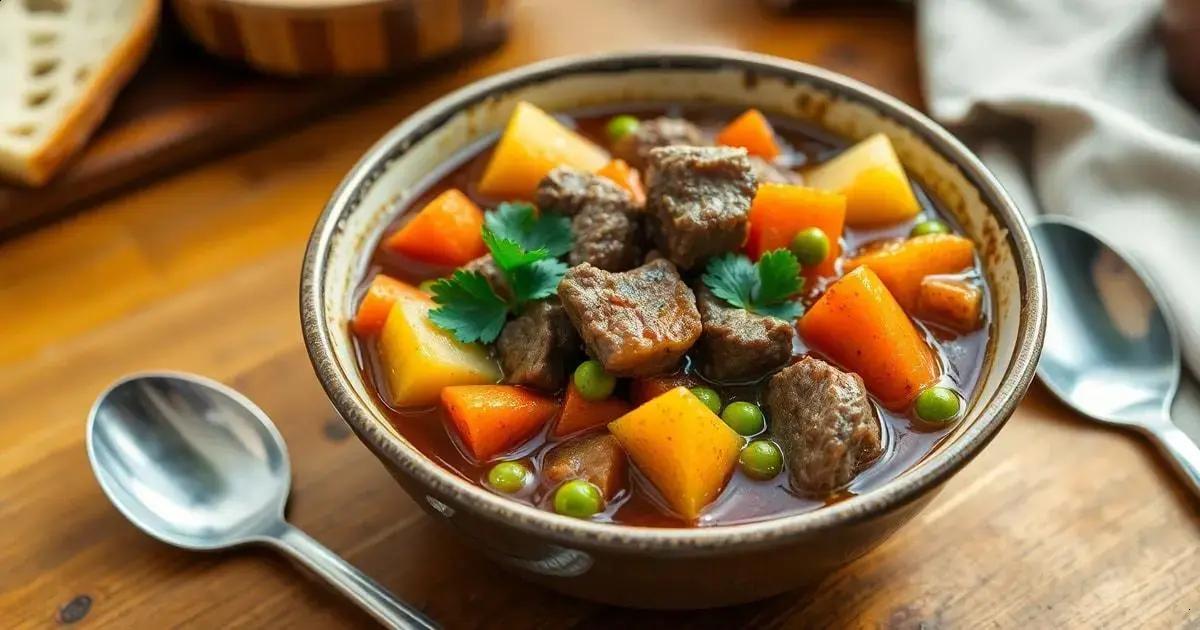
beef stew
Ingredients
Method
- Heat a large, heavy pot (like a Dutch oven) over medium-high heat. Once hot, add olive oil. Brown the beef chunks in batches, letting them get a dark crust. Don’t crowd the pot — that way you get flavor, not steam. Transfer browned beef to a plate.
- Add onions to the pot (add a splash more oil if dry) and cook, stirring, until soft, about 3–4 minutes. Scrape up any brown bits from the bottom. Next, stir in garlic and cook 1 minute.
- Stir in tomato paste and cook 2 minutes, letting it darken and stick slightly. Sprinkle all-purpose flour over everything and toss to coat. Give it about 1–2 minutes to toast — this thickens your stew later.
- Pour in the red wine and use a wooden spoon to really scrape the bottom — those stuck bits are gold for flavor. Let the wine reduce by half, about 3–4 minutes, so the alcohol cooks off.
- Return the beef (plus any juices) to the pot. Add carrots, celery, potatoes, beef broth, water, bay leaves, thyme, salt, and pepper. Bring it to a simmer, then lower the heat, cover with a lid slightly askew, and let it simmer gently for 1 hour 40 minutes. If the stew gets too thick, add a splash more water.
- After 90 minutes, check the beef: it should be tender enough to break apart with a spoon. If not, let it go a bit longer. (I find a 5-minute extra wait is the difference between chewy and spoon-tender.)
- Stir in the frozen peas and cook 2 more minutes, just to warm through. Fish out the bay leaves. Taste your broth: I usually add half the parsley now and sprinkle the rest on just before serving. Adjust salt if you need to at the end — every broth’s a little different.
Notes
Technique notes you don’t want to skip
Brown the beef in batches, for real. If you try to rush and crowd the pan, you’ll get gray chunks, not that deep flavor you want. I use a big soup pot, but still only go with about a third of the meat at a time. Keep the heat at a true medium-high; listen for sizzle, not splatter or silence. When you add tomato paste and flour, let both toast a bit on the bottom. You’ll notice a slightly sharper, almost roasted smell—that’s your stew getting depth. Don’t skip scraping the pot after pouring in wine. Those brown bits stuck on the bottom are where homemade flavor lives. You’ll think the bottom looks a bit messy at this step; that’s exactly right. Quick tip: I always throw in my frozen peas straight from the freezer at the end. They keep their pop and color if they aren't cooked long.Substitutions and what to avoid
You can swap out beef chuck for brisket or stewing beef. I’ve tried sirloin, but it turns out dry—wouldn’t recommend. For the wine, any dry red works (I use what’s open). Broth can be a mix of beef and chicken if that’s what you've got, but don’t try with just water—the flavor falls flat. If you need this gluten-free, cornstarch instead of flour works (mix with a splash of cold water and add at the end), but you lose a touch of thickness. Don’t add sweet potatoes unless you want a very sweet stew; regular waxy potatoes give just enough body without disintegrating.Storage and meal prep
This stew only gets better after a night in the fridge—everything thickens and the flavors go deeper. Keeps well for up to four days, tightly covered in the refrigerator. If freezing, leave out the potatoes and peas, and add them fresh after thawing to avoid mush.When the weather turns or I just want something that cooks itself while I work, this beef stew is what I make. It’s the kind of meal that gives more than you put in—hearty, forgiving, and you rarely need a special trip to the store.
Technique notes you don’t want to skip
Brown the beef in batches, for real. If you try to rush and crowd the pan, you’ll get gray chunks, not that deep flavor you want. I use a big soup pot, but still only go with about a third of the meat at a time. Keep the heat at a true medium-high; listen for sizzle, not splatter or silence.
When you add tomato paste and flour, let both toast a bit on the bottom. You’ll notice a slightly sharper, almost roasted smell—that’s your stew getting depth. Don’t skip scraping the pot after pouring in wine. Those brown bits stuck on the bottom are where homemade flavor lives. You’ll think the bottom looks a bit messy at this step; that’s exactly right.
Quick tip: I always throw in my frozen peas straight from the freezer at the end. They keep their pop and color if they aren’t cooked long.
Substitutions and what to avoid
You can swap out beef chuck for brisket or stewing beef. I’ve tried sirloin, but it turns out dry—wouldn’t recommend. For the wine, any dry red works (I use what’s open). Broth can be a mix of beef and chicken if that’s what you’ve got, but don’t try with just water—the flavor falls flat.
If you need this gluten-free, cornstarch instead of flour works (mix with a splash of cold water and add at the end), but you lose a touch of thickness. Don’t add sweet potatoes unless you want a very sweet stew; regular waxy potatoes give just enough body without disintegrating.
Storage and meal prep
This stew only gets better after a night in the fridge—everything thickens and the flavors go deeper. Keeps well for up to four days, tightly covered in the refrigerator. If freezing, leave out the potatoes and peas, and add them fresh after thawing to avoid mush.