
📄 Some content on this site was written with AI assistance and reviewed by Mileni Sabatini before publishing.
The rich, creamy texture of risotto invites you to dig in, especially when it’s cooked just right—a bit al dente with each bite releasing a touch of its starchiness. I always make sure to stir in a splash of white wine after sautéing the onions; it adds a lovely depth and brightens up the overall flavor. Keeping your broth warm and gradually adding it as you stir helps achieve that luscious consistency, giving you a dish that’s both comforting and satisfying. Since risotto can be quite forgiving, feel free to tailor it with seasonal veggies or your favorite proteins.
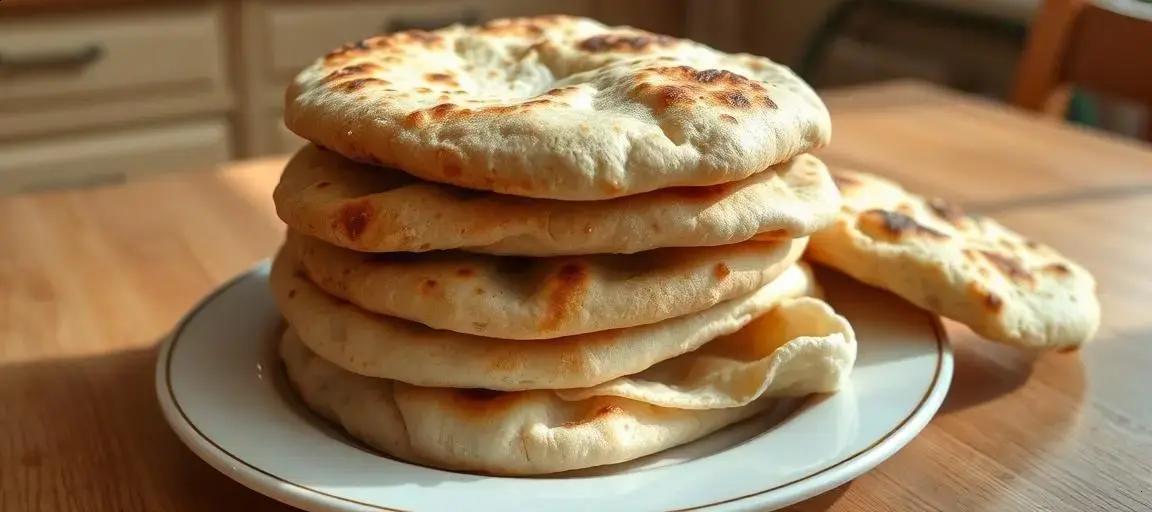
pita bread
Ingredients
Method
- Stir together flour, yeast, sugar, and salt in a large bowl. Don’t skip the sugar—that little bit helps the yeast wake up fast.
- Pour in warm water and olive oil. Use your hand or a sturdy spoon to mix until a shaggy dough forms. It’ll look rough, that’s fine.
- Knead on a floured surface for about 8 minutes, until the dough turns smooth and stretchy. If it sticks, add just enough extra flour to keep your hands clean, nothing more.
- Rub a little olive oil inside the bowl. Drop in your dough, turn it once so all sides get a bit of oil, then cover with a plate or kitchen towel. Let it rise in a warm spot until doubled—usually 45 minutes for instant yeast.
- Punch down the dough to deflate it, then divide into 8 pieces. Shape each into a ball by cupping your hand and rolling gently—don’t flatten or twist too hard.
- Rest the balls on the counter for 10 minutes, covered with a towel. This makes them easier to roll out.
- Roll each ball into a circle 5–6 inches across, about 1/4 inch thick. If the dough fights back, let it rest 2 more minutes and try again.
- Heat your heaviest skillet (cast-iron works best) on medium-high, no oil. Once it’s hot enough that a flick of water dances and disappears fast, it’s ready.
- Lay a dough round in the pan. Cook for 1 minute—it should bubble a bit underneath. Flip and cook another 1–2 minutes, until spots look golden brown and the bread puffs in at least one spot.
- Transfer cooked pita to a clean towel and wrap it up to keep soft. Repeat for each piece, stacking and wrapping as you go. Eat warm, or cool and store in a zip bag for up to 3 days.
Notes
Tips for foolproof pita
Instant yeast is my go-to because it’s fast, but if you only have active dry, use the same amount and dissolve it in the warm water with the sugar before adding. Don’t use water hotter than you’d put your finger in—too hot and the yeast will sulk. That rest after dividing the dough is not optional. If you skip it, the dough springs back when you roll, making pita that shrinks and won’t puff. Always put rolled-out dough on a plate, covered, as you preheat your pan so it doesn’t dry on top—dry dough equals dull, chewy pita. Big, fast heat gives the best puff. If your first one only bubbles a little, let your pan heat a little longer for the next. My trick: once you see real dark brown spots in under 2 minutes, you’re golden.Variations and substitutions
You can swap up to half the flour for whole wheat. Any more, and you lose the puff and soft pocket. I sometimes add a shake of cumin or za’atar to the dough for an earthy kick—don’t overdo it, about 1/2 teaspoon is plenty for a full batch.Storage
Fresh pita keeps soft in a zip bag at room temp up to 3 days. They freeze perfectly, separated with parchment and zipped tight—just rewarm in a pan or toaster. Don’t refrigerate; the texture goes stale twice as fast.I started making pita bread at home to show that bread-baking doesn’t have to mean flour everywhere and a four-hour wait. This recipe is my weekday fix when I want something warm, soft, and real for dipping or wraps—nothing from a bag comes close.
Tips for foolproof pita
Instant yeast is my go-to because it’s fast, but if you only have active dry, use the same amount and dissolve it in the warm water with the sugar before adding. Don’t use water hotter than you’d put your finger in—too hot and the yeast will sulk.
That rest after dividing the dough is not optional. If you skip it, the dough springs back when you roll, making pita that shrinks and won’t puff. Always put rolled-out dough on a plate, covered, as you preheat your pan so it doesn’t dry on top—dry dough equals dull, chewy pita.
Big, fast heat gives the best puff. If your first one only bubbles a little, let your pan heat a little longer for the next. My trick: once you see real dark brown spots in under 2 minutes, you’re golden.
Variations and substitutions
You can swap up to half the flour for whole wheat. Any more, and you lose the puff and soft pocket. I sometimes add a shake of cumin or za’atar to the dough for an earthy kick—don’t overdo it, about 1/2 teaspoon is plenty for a full batch.
Storage
Fresh pita keeps soft in a zip bag at room temp up to 3 days. They freeze perfectly, separated with parchment and zipped tight—just rewarm in a pan or toaster. Don’t refrigerate; the texture goes stale twice as fast.