
📄 Some content on this site was written with AI assistance and reviewed by Mileni Sabatini before publishing.
There’s nothing quite like the satisfying crunch of fresh veggies mingling with warm, tender grains in a salad. I always make sure to lightly toast any nuts or seeds I’m using; it brings out their flavor and adds a delightful nuttiness that elevates the whole dish. Combining temperatures—crisp cold veggies with warm grains—creates a refreshing yet comforting experience. This balance not only makes each bite interesting but also encourages more wholesome ingredients to shine.
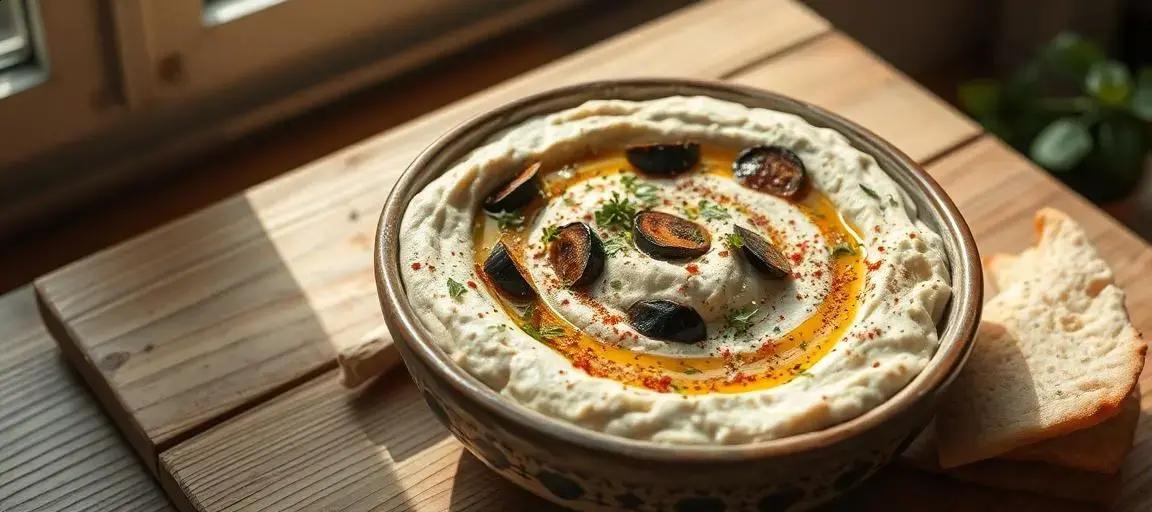
baba ganoush
Ingredients
Method
- Preheat your oven to 230°C (450°F). Prick the eggplants a few times with a fork. This keeps them from bursting.
- Roast the eggplants on a baking sheet for 30–35 minutes, turning them halfway. The skins should look wrinkled and collapsed. Inside, flesh should be very soft.
- Let the eggplants cool until you can handle them. Cut open and scoop out the flesh, avoiding the skins as much as possible. Place the flesh in a sieve and let excess liquid drain for at least 10 minutes. This step makes the dip creamier, not runny.
- Transfer the drained eggplant flesh to a bowl. Add tahini, lemon juice, olive oil, garlic, salt, and cumin. Mash with a fork or a potato masher until mostly smooth. I go for a little texture, but blend it smooth if you prefer.
- Taste and adjust: add more lemon juice or salt if needed. If the dip feels bitter or rough, try a splash of cold water and stir again. It smoothes it out every time.
- Spoon into a shallow dish. Drizzle with extra olive oil, sprinkle smoked paprika or sumac, and top with chopped parsley.
- Serve with fresh pita bread, vegetable sticks, or whatever you have on hand.
Notes
Tips from my kitchen
Don’t skip draining the eggplant flesh after roasting. Eggplants hold onto water, and if you want dip that sits up on bread instead of sliding off, a sieve is your friend. Ten minutes of draining changes the texture completely. If your eggplant tastes slightly bitter or if the dip feels too harsh, stir in a tablespoon of very cold water at the end. It sounds strange, but it lightens and smooths the dip — try it before reaching for more oil or lemon. Roasting on an open flame (gas burner) gives an even smokier flavor, but it’s messier. Oven roasting works fine — I’ve done both ways, and when I’m not in the mood for cleanup, I go with the oven.Variations and swaps
Tahini is classic and nothing really works as a full swap, but if you’re out, a spoonful of Greek yogurt will bring creaminess (just don’t go 1:1). Olive oil and lemon need to stay — don’t swap those; it just won’t taste right. I do like to add a pinch of hot paprika or a few spoonfuls of pomegranate seeds on top for something a little extra.Make ahead and storage
Baba ganoush keeps 3–4 days in the fridge, covered. The flavors get deeper overnight. I always give it a quick stir and add a drizzle of olive oil before serving leftovers. It does not freeze well; the texture gets wet and grainy after thawing.I grew up watching my dad blacken eggplants right over the stove, filling the house with actual smoke — and I still chase that flavor. Baba ganoush has outlasted every hummus phase I’ve gone through because smoky and tangy beats bland and dense every time for me.
Tips from my kitchen
Don’t skip draining the eggplant flesh after roasting. Eggplants hold onto water, and if you want dip that sits up on bread instead of sliding off, a sieve is your friend. Ten minutes of draining changes the texture completely.
If your eggplant tastes slightly bitter or if the dip feels too harsh, stir in a tablespoon of very cold water at the end. It sounds strange, but it lightens and smooths the dip — try it before reaching for more oil or lemon.
Roasting on an open flame (gas burner) gives an even smokier flavor, but it’s messier. Oven roasting works fine — I’ve done both ways, and when I’m not in the mood for cleanup, I go with the oven.
Variations and swaps
Tahini is classic and nothing really works as a full swap, but if you’re out, a spoonful of Greek yogurt will bring creaminess (just don’t go 1:1). Olive oil and lemon need to stay — don’t swap those; it just won’t taste right. I do like to add a pinch of hot paprika or a few spoonfuls of pomegranate seeds on top for something a little extra.
Make ahead and storage
Baba ganoush keeps 3–4 days in the fridge, covered. The flavors get deeper overnight. I always give it a quick stir and add a drizzle of olive oil before serving leftovers. It does not freeze well; the texture gets wet and grainy after thawing.