
📄 Some content on this site was written with AI assistance and reviewed by Mileni Sabatini before publishing.
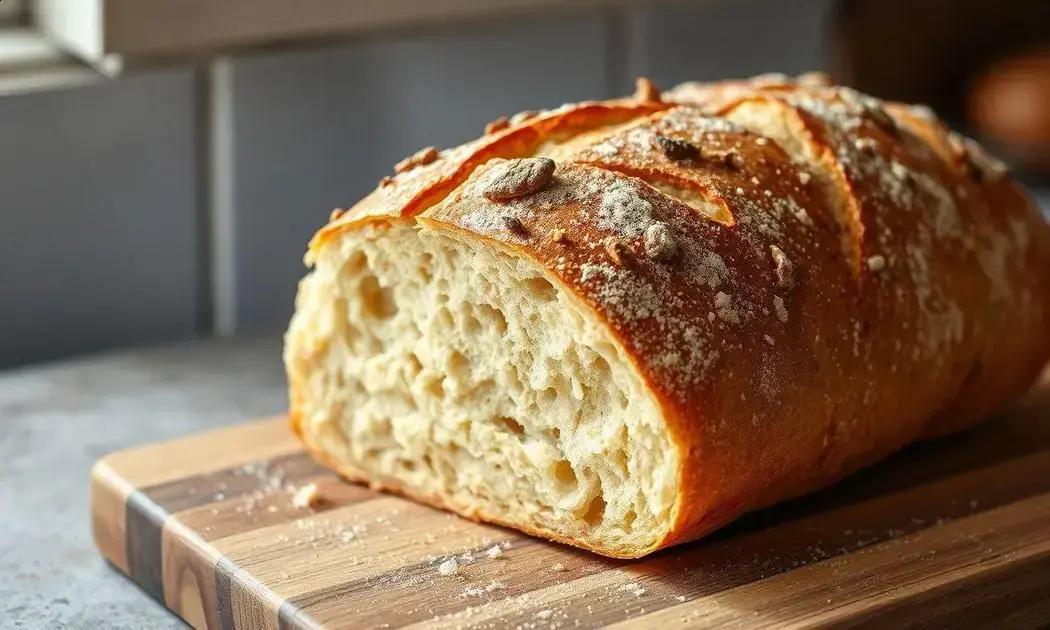
ciabatta
Ciabatta, the iconic Italian bread, comes out rustic and light in this recipe perfect for your snacks and sandwiches!
Ingredients
Method
- Mix the flour, dry yeast, and salt in a large bowl to combine the dry ingredients.
- Add the lukewarm water and olive oil. Stir with a wooden spoon or your hand until you have a shaggy, sticky dough.
- Cover the bowl with plastic wrap and let the dough rest at room temperature for about 1 hour and 30 minutes, or until doubled in size.
- Lightly flour a work surface and gently transfer the dough onto it. With floured hands, carefully stretch and fold the dough from the edges toward the center a couple of times—avoid deflating the air bubbles.
- Shape the dough into a rough rectangle. Place it on a baking tray lined with parchment paper and cover with a kitchen towel. Let it rise for another hour.
- Preheat your oven to 230°C (446°F) while the dough rests.
- Bake the ciabatta for about 25-30 minutes, until it is golden and the crust is crispy. Let cool on a wire rack before slicing.
Notes
The ciabatta is a symbol of rustic Italian baking, renowned for its light crumb and crisp crust. Its versatility makes it the perfect companion for sandwiches, a flavorful side for soups, or as a base for bruschetta. The joy of ciabatta lies in its airy texture—achievable at home with just a little patience and attention to detail.
Practical Tips for Perfect Ciabatta
- Hydration matters: Ciabatta dough is wet and sticky, which may seem tricky to handle. Don’t add more flour—the loose texture is key for that signature open crumb.
- Gentle handling: Avoid over-kneading or rough folding. Carefully lift and fold the dough to preserve those precious air bubbles that form during proofing.
- Don’t rush the rise: The two resting periods (first and second rise) allow time for flavor development and structure, so be patient for bread that’s truly aromatic and light.
- Substitute creatively: For extra flavor, try swapping a portion of the flour with whole wheat or add a handful of chopped fresh herbs to the dough.
Mastering the Technique
- When transferring the dough to your baking tray, use a dough scraper and well-floured hands. It’s normal for the dough to feel sticky.
- Preheat your oven well, and for an even crispier crust, place a shallow tray of water on the lowest rack to create steam.
- If you want a thinner or smaller loaf, divide the dough in half before the final rise and bake as two petite ciabattas.