
📄 Some content on this site was written with AI assistance and reviewed by Mileni Sabatini before publishing.
There’s something truly satisfying about the crisp outer layer of a perfectly roasted vegetable, giving way to a tender interior that practically melts in your mouth. I always toss my veggies with a little bit of olive oil and a sprinkle of salt before roasting, as this helps them caramelize beautifully in the oven. It’s the little things that elevate simple ingredients, turning them into a comforting side that can steal the spotlight at any meal.
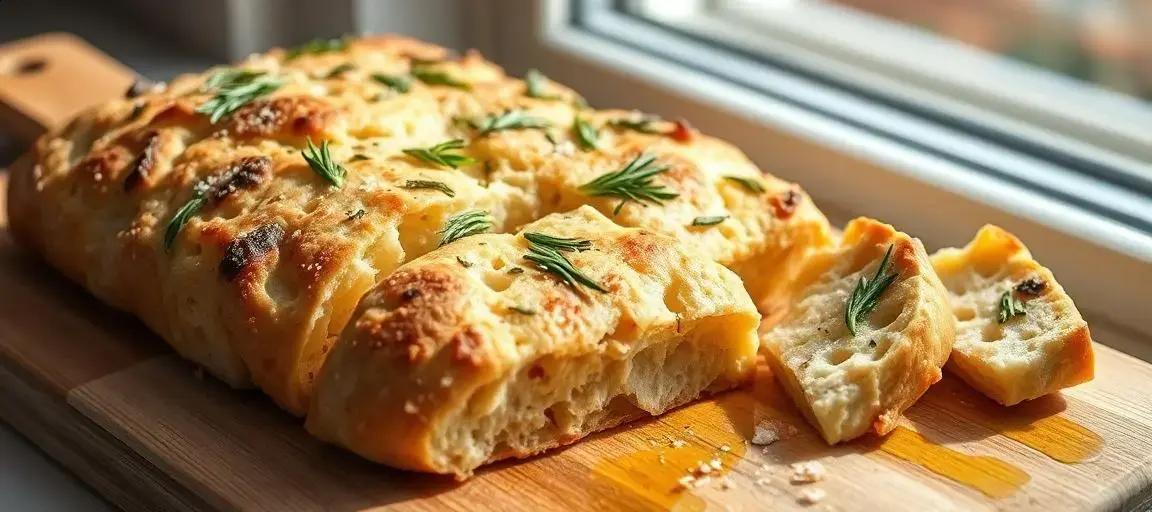
focaccia
Ingredients
Method
- In a large bowl, combine flour, instant yeast, salt, and sugar with a spoon. I like using my hands for this part to feel there are no lumps hiding at the bottom.
- Pour in the warm water and olive oil, then mix until all the flour is absorbed. Switch to your hands once the spoon gets sticky—this dough is a little wet, that's normal.
- Knead in the bowl or on a lightly oiled surface for 5 minutes, just until the dough smooths out. No need for perfection—a little stickiness is part of focaccia's charm.
- Shape it into a ball and drizzle with a teaspoon of olive oil. Cover the bowl with a kitchen towel and let it rise somewhere warm until doubled, about 60–70 minutes. I use my (off) oven with the light turned on for this.
- Drizzle a baking pan (about 23x33 cm) with a generous tablespoon of olive oil. Turn the dough out and gently press it with your fingers to spread it into the pan. Take your time—if it's elastic, let it rest 5 minutes and try again.
- Let the dough rest, uncovered, for 20 minutes. This helps relax the gluten so you can make those iconic focaccia dimples.
- After resting, use your fingertips to dimple the dough deeply, nearly all the way through but not tearing. Drizzle the remaining olive oil on top and scatter with fresh rosemary and flaky salt.
- Let the pan sit while the oven heats to 220°C (428°F)—about 20 minutes.
- Bake on the middle rack for 22–28 minutes until the top is golden and the edges crisp. If your kitchen smells like an Italian bakery, you're on track.
- Cool in the pan for 10 minutes before slicing. I always check the bottom—if it looks pale, pop it back in (straight on the rack) for a few more minutes for extra crunch.
Notes
Easy tricks for pillowy focaccia
The dough will look wet and shaggy—don't worry, resist the urge to add more flour. Focaccia is meant to be quite hydrated, which gives you that light, bubbly crumb and chewy edges. If the dough springs back when you first try to press it into the pan, walk away for five minutes. The gluten relaxes and suddenly spreading is easy. You don't need a fancy bread mixer—your hands and a big bowl are truly enough here. Here's my oddest tip: oil, not flour, is the answer when dough sticks to your hands. Wipe a little olive oil on your fingers before shaping. Way less mess, much better flavor in the crust.Substitutions and flavor tweaks
You can swap in up to one cup of white whole wheat flour with pretty good results—just expect slightly less rise. Fresh rosemary makes a difference, but if all you have is dried, use half as much and sprinkle sparsely. Other toppings work too: halved cherry tomatoes pressed into the dough, thin-sliced red onion, or pitted olives. Don't use cheese on top at the start—save that for the last five minutes or it will burn.Storing and next-day tips
Leftover focaccia holds up for a day in an airtight container at room temperature. Reheat slices in the toaster oven or on a dry skillet to bring back that crisp edge. If you want to get ahead, let the dough rise in the fridge overnight (step 4). Next day, bring to room temperature, shape, and keep going from there. The flavor even improves this way.I started baking focaccia when my to-do list wanted bread but my timeline didn’t want a whole weekend project. This recipe fits into one evening, and there’s something soothing about poking dimples in soft dough after work.
Easy tricks for pillowy focaccia
The dough will look wet and shaggy—don’t worry, resist the urge to add more flour. Focaccia is meant to be quite hydrated, which gives you that light, bubbly crumb and chewy edges.
If the dough springs back when you first try to press it into the pan, walk away for five minutes. The gluten relaxes and suddenly spreading is easy. You don’t need a fancy bread mixer—your hands and a big bowl are truly enough here.
Here’s my oddest tip: oil, not flour, is the answer when dough sticks to your hands. Wipe a little olive oil on your fingers before shaping. Way less mess, much better flavor in the crust.
Substitutions and flavor tweaks
You can swap in up to one cup of white whole wheat flour with pretty good results—just expect slightly less rise. Fresh rosemary makes a difference, but if all you have is dried, use half as much and sprinkle sparsely.
Other toppings work too: halved cherry tomatoes pressed into the dough, thin-sliced red onion, or pitted olives. Don’t use cheese on top at the start—save that for the last five minutes or it will burn.
Storing and next-day tips
Leftover focaccia holds up for a day in an airtight container at room temperature. Reheat slices in the toaster oven or on a dry skillet to bring back that crisp edge.
If you want to get ahead, let the dough rise in the fridge overnight (step 4). Next day, bring to room temperature, shape, and keep going from there. The flavor even improves this way.