
📄 Some content on this site was written with AI assistance and reviewed by Mileni Sabatini before publishing.
There’s something incredibly satisfying about the crunch of freshly toasted breadcrumbs mingling with the tender, juicy bites of roasted vegetables. I always make a point to add a squeeze of lemon juice right before serving; it brightens up the dish and complements the flavors beautifully. This recipe effortlessly balances warmth and coziness with a touch of zest, making it perfect for any occasion, whether it’s a weeknight dinner or a gathering with friends. The combination of textures and flavors will have everyone coming back for more, even if they didn’t expect to love it.
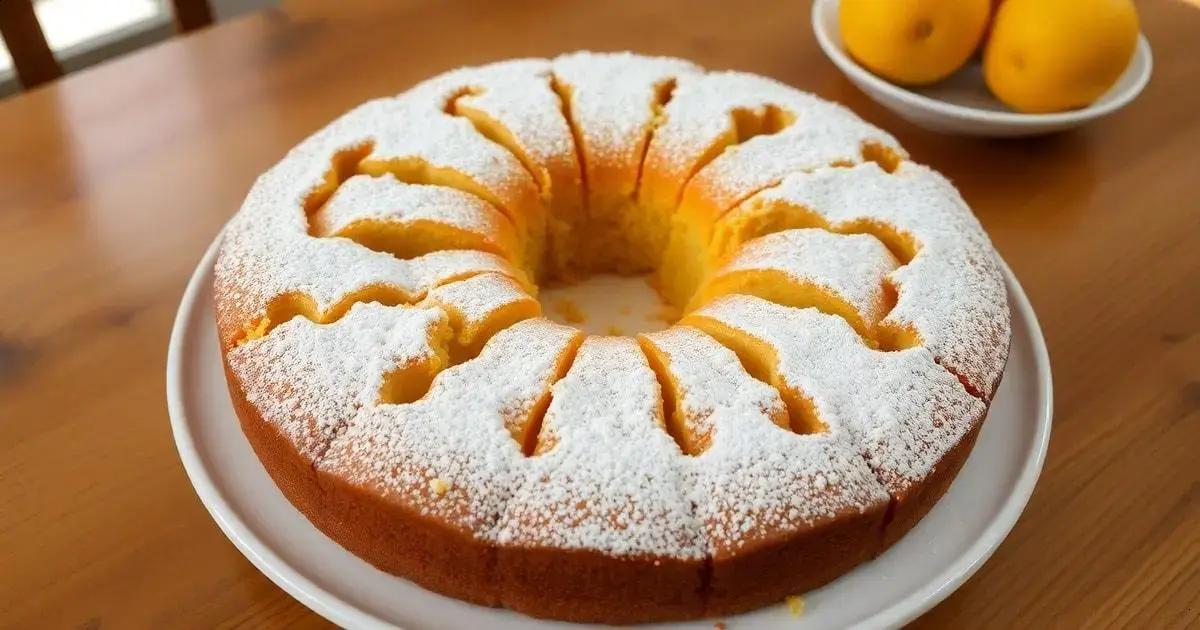
orange olive oil cake
Ingredients
Method
- Preheat your oven to 180°C (350°F). Grease a 23cm (9-inch) round cake pan and line the bottom with parchment for easy removal. I never skip this step, even with nonstick pans.
- In a large bowl, whisk together olive oil and sugar until you get a smooth, creamy texture. Add eggs one at a time, whisking well after each. Mix in orange zest and orange juice. If the mixture looks slightly separated, don’t worry — it comes together when you add flour.
- Pour in the milk and give it another good whisk. No need for fancy equipment; a regular whisk or sturdy fork is enough.
- In a separate bowl, sift flour, baking powder, baking soda, and salt. Add dry ingredients to wet in two batches, stirring just until no flour pockets remain. Overmixing makes the cake dense, so stop when it looks mostly smooth.
- Scrape the batter into your prepared pan and smooth the top. Tap the pan on the counter once to pop any big air bubbles.
- Bake for 44–51 minutes, until the top is golden and a skewer comes out with a few moist crumbs. If your oven runs hot, start checking after 40 minutes. The cake finishes baking as it cools, so don’t wait for a clean skewer.
- Let cool in the pan 20 minutes, then run a knife around the edge and lift out. Cool completely before adding powdered sugar.
- For serving: Dust the cooled cake lightly with powdered sugar. If your kitchen is humid, wait right before serving or the sugar will disappear into the cake.
Notes
What’s different about this cake
The big win here is using both zest and juice. Zest gives real orange flavor—juice alone can get lost. I always wash and zest the oranges before I even grab the mixing bowl (so I don’t forget after cutting them). If you’re worried about “olive oil taste”: A good extra-virgin oil should taste grassy, not bitter, once baked. I’ve used mid-range brands from the supermarket and it never overpowers. Don’t overmix the batter after adding flour. Once you stop seeing dry streaks, quit stirring—even if there’s a lump or two left. This is one of those cakes that actually gets tougher if you try to smooth it out. I also bake this on the middle rack and turn the cake 180 degrees halfway if my oven’s heat isn’t even.Variations and substitutions
Lemon works well instead—swap the zest and juice for the same amount, but add a bit more sugar (lemon is sharper). If you want a dairy-free version, use unsweetened oat milk instead of regular milk. I’ve tried almond milk here and it tasted a little flat, so I don’t recommend it. A handful of sliced almonds on top adds crunch, but add them right before baking so they don’t sink.How to store it
This cake keeps covered at room temperature for 3–4 days. After that, it still tastes good but texture dries a bit. I cut slices and wrap them individually if I know I’ll want a quick breakfast or snack through the week.Most olive oil cakes dry out by day two, but this one stays tender all week. That hint of orange reminds me of breakfast in Italy—the kind you want with coffee, not frosting.
What’s different about this cake
The big win here is using both zest and juice. Zest gives real orange flavor—juice alone can get lost. I always wash and zest the oranges before I even grab the mixing bowl (so I don’t forget after cutting them).
If you’re worried about “olive oil taste”: A good extra-virgin oil should taste grassy, not bitter, once baked. I’ve used mid-range brands from the supermarket and it never overpowers.
Don’t overmix the batter after adding flour. Once you stop seeing dry streaks, quit stirring—even if there’s a lump or two left. This is one of those cakes that actually gets tougher if you try to smooth it out.
I also bake this on the middle rack and turn the cake 180 degrees halfway if my oven’s heat isn’t even.
Variations and substitutions
Lemon works well instead—swap the zest and juice for the same amount, but add a bit more sugar (lemon is sharper). If you want a dairy-free version, use unsweetened oat milk instead of regular milk. I’ve tried almond milk here and it tasted a little flat, so I don’t recommend it.
A handful of sliced almonds on top adds crunch, but add them right before baking so they don’t sink.
How to store it
This cake keeps covered at room temperature for 3–4 days. After that, it still tastes good but texture dries a bit. I cut slices and wrap them individually if I know I’ll want a quick breakfast or snack through the week.