
📄 Some content on this site was written with AI assistance and reviewed by Mileni Sabatini before publishing.
There’s something comforting about the way a warm dish of roasted vegetables brightens up a chilly evening. I love to toss them with a splash of olive oil and a sprinkle of sea salt, allowing the sweetness to intensify as they caramelize in the oven. One tip I always follow is to cut the veggies into uniform sizes to ensure they cook evenly. This simple step really makes a difference in achieving that perfect roasted texture.
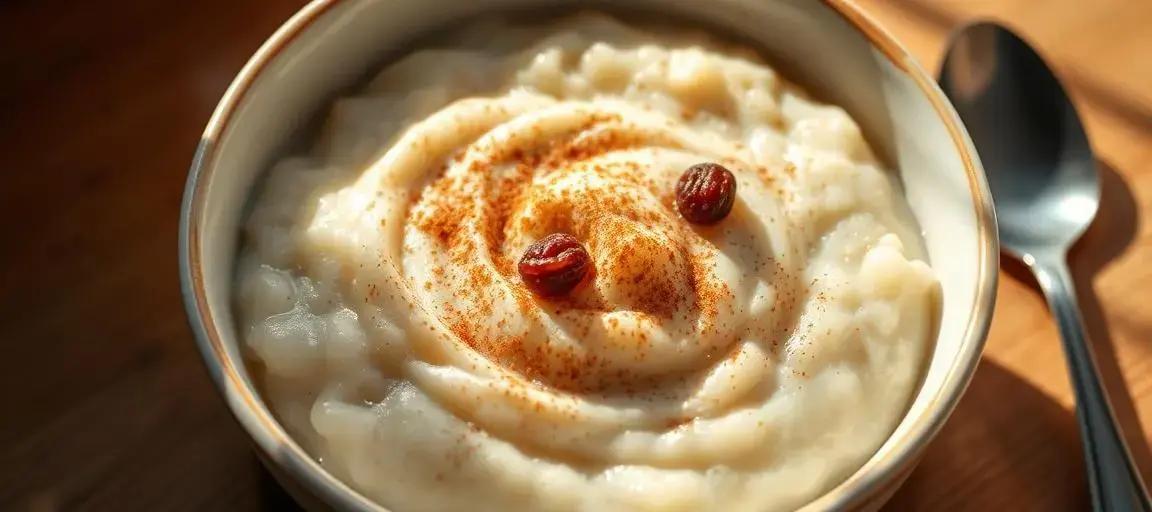
rice pudding
Ingredients
Method
- Rinse the rice in a fine-mesh sieve under cold water until the water runs clear. This washes off excess starch so the pudding stays creamy, not gluey.
- Combine the rinsed rice, milk, sugar, cinnamon stick, salt, and (if using) raisins in a medium saucepan. Give everything a quick stir.
- Bring to a gentle simmer over medium heat. Once you see bubbles around the edges, lower the heat so you get a barely-there simmer, not a rolling boil.
- Cook uncovered for 30–33 minutes, stirring every five minutes or so, scraping the bottom. When it looks thick, like loose risotto and the rice is tender, take it off the heat. If it gets too thick, add a splash of milk and stir it in.
- Remove the cinnamon stick. Stir in the vanilla extract while it’s still hot.
- Spoon into bowls. Dust with ground cinnamon before serving. It’s best warm, but you can eat it cold—just expect it to firm up in the fridge. I always add an extra splash of milk when reheating leftovers to bring back the creaminess.
Notes
Tips from my stove
Don’t skip the rinse. I grab a mesh strainer and wash the rice until the water turns clear—this is the difference between pudding and a starchy brick. If you forget, you can still save it: add an extra splash of hot milk at the end and stir hard. The heat matters more than you’d think. I keep the pot uncovered and the flame low after it starts bubbling. If it cooks too fast, you get mush outside, chalky inside. Watch for when the rice goes just tender and the mixture thickens—don’t wait for it to look like pudding, it keeps thickening as it cools. One odd trick: I always stir with a rubber spatula, not a spoon. It scrapes the bottom so nothing sticks and burns (which is the one way this recipe can go wrong fast).Simple swaps and add-ins
You can use plant milk if you need it dairy-free. Almond milk or oat milk work, but skip thin rice milk—it never quite thickens right. If you want more protein, stir in a beaten egg during the last few minutes (take it off the heat, whisk fast and steady), but it changes the flavor slightly. I’ve tried swapping sugar for honey or maple: honey works in a pinch but makes it softer; maple changes the vibe completely. I always come back to plain sugar.Leftovers and storage
Rice pudding thickens a lot as it sits. In the fridge, it goes almost sliceable. I add a splash of milk before reheating and stir gently over low heat—never microwave, it gets oddly chewy. This actually makes a great breakfast with fruit mixed in the next day.I make rice pudding when I want something comforting but not fussy—one pot, barely any stirring, and the texture is just soft enough to feel like a treat. It’s one of those childhood things that stuck.
Tips from my stove
Don’t skip the rinse. I grab a mesh strainer and wash the rice until the water turns clear—this is the difference between pudding and a starchy brick. If you forget, you can still save it: add an extra splash of hot milk at the end and stir hard.
The heat matters more than you’d think. I keep the pot uncovered and the flame low after it starts bubbling. If it cooks too fast, you get mush outside, chalky inside. Watch for when the rice goes just tender and the mixture thickens—don’t wait for it to look like pudding, it keeps thickening as it cools.
One odd trick: I always stir with a rubber spatula, not a spoon. It scrapes the bottom so nothing sticks and burns (which is the one way this recipe can go wrong fast).
Simple swaps and add-ins
You can use plant milk if you need it dairy-free. Almond milk or oat milk work, but skip thin rice milk—it never quite thickens right. If you want more protein, stir in a beaten egg during the last few minutes (take it off the heat, whisk fast and steady), but it changes the flavor slightly.
I’ve tried swapping sugar for honey or maple: honey works in a pinch but makes it softer; maple changes the vibe completely. I always come back to plain sugar.
Leftovers and storage
Rice pudding thickens a lot as it sits. In the fridge, it goes almost sliceable. I add a splash of milk before reheating and stir gently over low heat—never microwave, it gets oddly chewy. This actually makes a great breakfast with fruit mixed in the next day.