
📄 Some content on this site was written with AI assistance and reviewed by Mileni Sabatini before publishing.
The first time I pulled this dish out of the oven, the aroma wrapped around me like a warm hug, and the slightly crispy top created a delightful contrast to the tender, comforting layers underneath. I always make sure to rest it for about 10 minutes before serving; this helps the flavors meld beautifully and makes it easier to slice without making a mess. When it finally hits the table, you can count on silence as everyone savors each bite, appreciating the care put into every layer.
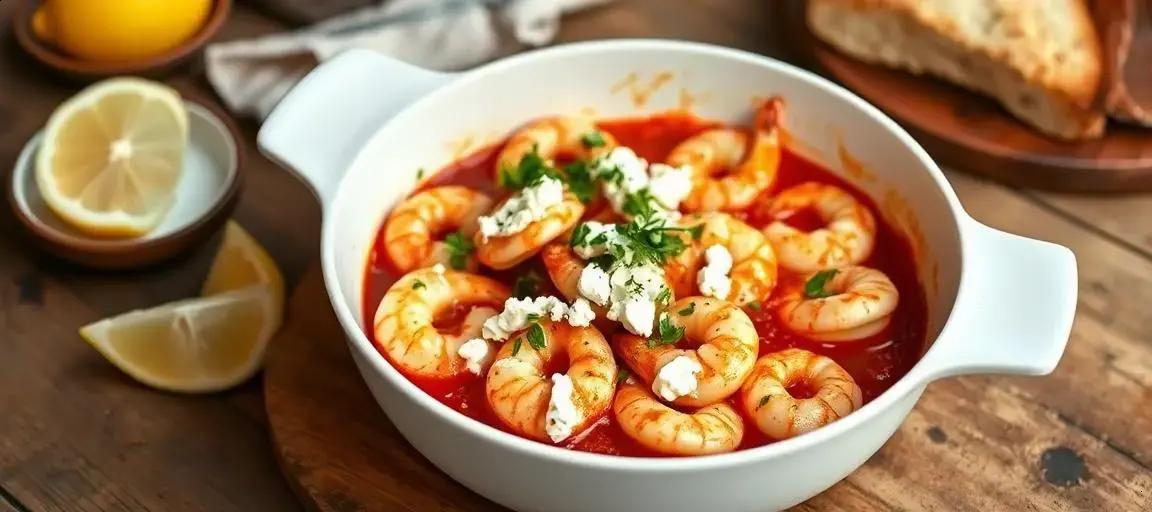
shrimp saganaki
Ingredients
Method
- Pat the shrimp dry with paper towels and season them with a pinch of salt and black pepper. If the shrimp are a bit damp, they won’t sear as well, so don’t skip this.
- Heat the olive oil over medium heat in a large skillet. Add the diced onion and sauté for about 4–5 minutes, stirring every minute, until the onion turns translucent (not brown).
- Add the garlic and cook for 30 seconds, stirring constantly, just until fragrant. I move everything to the side for this part to give the garlic a little more direct oil contact.
- Pour in the crushed tomatoes, oregano, and chili flakes (if using). Add half the salt. Simmer for 7–8 minutes, until the sauce thickens and some oil floats to the top. Taste it — if it still tastes raw, simmer two minutes more.
- Nestle the shrimp into the sauce in a single layer. Cover and cook for 3–4 minutes, flipping shrimp once halfway through, until they turn pink and opaque on both sides. Overcooked shrimp get chewy fast, so as soon as the thickest part just turns pink, pull them out or turn off the heat.
- Scatter the crumbled feta on top. Cover the skillet for 1–2 minutes off the heat — the residual heat gently softens the cheese without melting it completely.
- Top with chopped parsley and serve right from the pan, squeezing a little lemon over at the table. Good with crusty bread, rice, or just a fork.
Notes
Real-life tips for shrimp saganaki
Don’t skimp on patting the shrimp dry before they go into the sauce. Waterlogged shrimp go rubbery in seconds; dry shrimp hold up and taste cleaner. I always start with half the salt in the sauce, then taste again after the feta goes on — feta adds a punch of saltiness as it melts, so you might not need more. Don’t just toss it all in at once unless you like things extra salty. If your skillet’s not big enough for a single layer of shrimp, cook in two batches. Crowding traps moisture, and you lose that tender texture. Want it spicier? Sometimes I stir in a half-teaspoon of smoked paprika or extra chili flakes with the tomatoes for a little heat and color.Swaps and variations
Canned tomatoes work fine, but if you come across ripe cherry or grape tomatoes, halve them and use about 350 g. The sauce is chunkier and a little sweeter that way. If you can’t eat shrimp, cubed firm white fish works — but cook gently and take off the heat as soon as the fish flakes. Squid doesn’t work here; it gets tough unless slow-cooked. Lactose-free feta holds its shape better than some vegan alternatives, but goat cheese is actually my favorite substitute if you can find it.Meal prep and storage
The sauce (without shrimp or feta) holds up in the fridge for up to 4 days. I’ll make it ahead, then just reheat and toss shrimp in right before dinner. Leftover cooked shrimp in sauce is fine the next day — just reheat on the stove gently so the shrimp don’t dry out. I try not to microwave it, since shrimp can overcook in seconds there.I keep coming back to shrimp saganaki because I can get big, bold flavor on the table fast — it’s my lazy answer to “what’s for dinner?” when seafood sounds good, but I don’t want to fuss.
Real-life tips for shrimp saganaki
Don’t skimp on patting the shrimp dry before they go into the sauce. Waterlogged shrimp go rubbery in seconds; dry shrimp hold up and taste cleaner.
I always start with half the salt in the sauce, then taste again after the feta goes on — feta adds a punch of saltiness as it melts, so you might not need more. Don’t just toss it all in at once unless you like things extra salty.
If your skillet’s not big enough for a single layer of shrimp, cook in two batches. Crowding traps moisture, and you lose that tender texture.
Want it spicier? Sometimes I stir in a half-teaspoon of smoked paprika or extra chili flakes with the tomatoes for a little heat and color.
Swaps and variations
Canned tomatoes work fine, but if you come across ripe cherry or grape tomatoes, halve them and use about 350 g. The sauce is chunkier and a little sweeter that way.
If you can’t eat shrimp, cubed firm white fish works — but cook gently and take off the heat as soon as the fish flakes. Squid doesn’t work here; it gets tough unless slow-cooked.
Lactose-free feta holds its shape better than some vegan alternatives, but goat cheese is actually my favorite substitute if you can find it.
Meal prep and storage
The sauce (without shrimp or feta) holds up in the fridge for up to 4 days. I’ll make it ahead, then just reheat and toss shrimp in right before dinner.
Leftover cooked shrimp in sauce is fine the next day — just reheat on the stove gently so the shrimp don’t dry out. I try not to microwave it, since shrimp can overcook in seconds there.