
📄 Some content on this site was written with AI assistance and reviewed by Mileni Sabatini before publishing.
There’s something wonderfully satisfying about the crunch of fresh vegetables against silky-smooth pasta, especially when they come together in a warm bowl that feels like a hug on a cold day. I always add a splash of pasta cooking water to my sauces; it helps emulsify and bind everything together, creating a silky finish that clings beautifully to every bite. This dish balances vibrant flavors and textures, making it a staple on my dinner table.
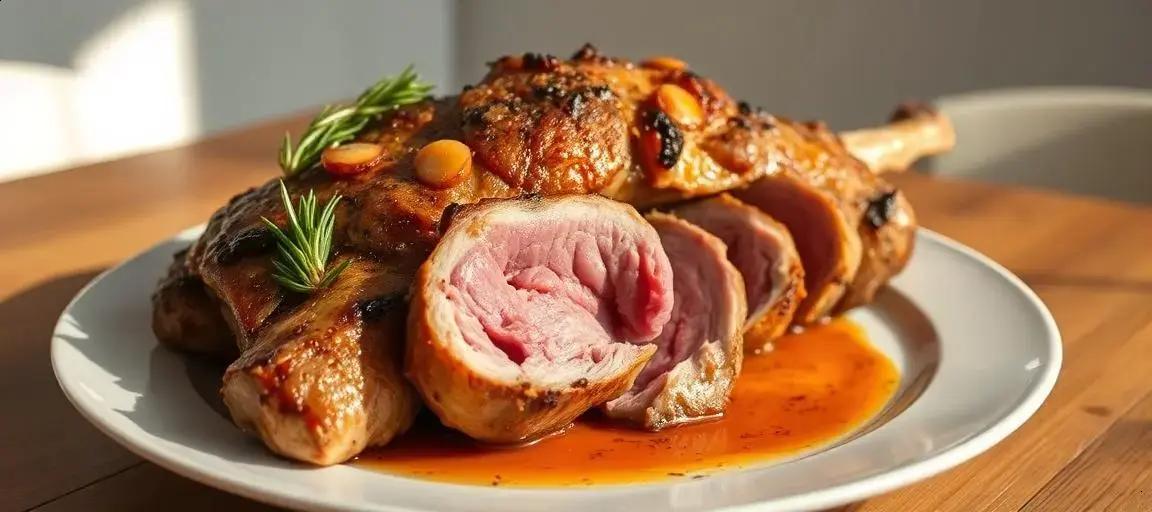
roast lamb
Ingredients
Method
- Preheat your oven to 220°C (428°F). If your oven tends to run hot, check with an oven thermometer. High heat at the start helps crisp the edges.
- Pat the leg of lamb dry with paper towels. Score the fat lightly with a sharp knife — this lets the flavors get in deeper.
- Rub the whole leg with olive oil, salt, and black pepper. Use your hands to coat every surface evenly.
- Make small slits all over the lamb and push a slice of garlic and a pinch of rosemary into each one. If the rosemary is woody, crush it a bit first with your fingers.
- Sprinkle the rest of the rosemary and the lemon zest on top. Drizzle with lemon juice. The lemon keeps the flavors fresh and cuts through the richness.
- Place the lamb in a roasting pan. Pour the white wine around (not on top of) the lamb. This keeps the meat juicy and adds flavor to the pan juices.
- Roast uncovered for 20 minutes at 220°C (428°F), then lower the oven to 180°C (356°F). Keep roasting for about 85–90 minutes, until a thermometer in the thickest part reads 63°C (145°F) for medium-rare.
- Halfway through, spoon some pan juices over the lamb. If the pan looks dry, add a splash of water.
- Let the lamb rest on a cutting board, covered loosely with foil, for at least 15 minutes. This keeps the juices inside when you slice it.
- Slice and serve with the pan juices. I always taste the juices and add a pinch of salt if they need it before pouring over the meat.
Notes
How I get it golden (and not dry)
You want crisp edges but juicy meat. Start hot: the initial blast in the oven helps brown the outside before finishing lower and slower. Scoring the fat is worth the extra minute — it lets the fat baste the meat and helps your flavors soak in deeper. I always push garlic and rosemary right into the meat (don’t just sprinkle on top). And I pour the wine around the lamb, not over it, so you don’t wash off the salt crust. One trick: don’t skip resting the meat. If you slice right away, those juices run everywhere but inside your dinner. Use that time to heat some simple sides or toss together a salad.Swaps and tricks
You can use a bone-in or boneless leg — with bone, the flavor and juiciness are next level, but boneless is easier to carve. I’ve tried both and the timing is about the same, just check that internal temp. If you’re out of white wine, a splash of chicken broth (even bouillon dissolved in water) works, but you lose a bit of the fragrance that wine brings. I don’t recommend using dried rosemary instead of fresh. The dried stuff gets papery and tough, especially if you tuck it into the slits.Meal prep and leftovers
Once cool, slice and store in a lidded container up to 3 days. The sliced lamb is great tucked in pitas, tossed in salads, or rewarmed in a skillet with a squeeze of lemon.This roast lamb is the kind of meal I make when I want something hearty but still simple enough for a weekend dinner — the leftovers are my favorite part.
How I get it golden (and not dry)
You want crisp edges but juicy meat. Start hot: the initial blast in the oven helps brown the outside before finishing lower and slower. Scoring the fat is worth the extra minute — it lets the fat baste the meat and helps your flavors soak in deeper.
I always push garlic and rosemary right into the meat (don’t just sprinkle on top). And I pour the wine around the lamb, not over it, so you don’t wash off the salt crust.
One trick: don’t skip resting the meat. If you slice right away, those juices run everywhere but inside your dinner. Use that time to heat some simple sides or toss together a salad.
Swaps and tricks
You can use a bone-in or boneless leg — with bone, the flavor and juiciness are next level, but boneless is easier to carve. I’ve tried both and the timing is about the same, just check that internal temp.
If you’re out of white wine, a splash of chicken broth (even bouillon dissolved in water) works, but you lose a bit of the fragrance that wine brings.
I don’t recommend using dried rosemary instead of fresh. The dried stuff gets papery and tough, especially if you tuck it into the slits.
Meal prep and leftovers
Once cool, slice and store in a lidded container up to 3 days. The sliced lamb is great tucked in pitas, tossed in salads, or rewarmed in a skillet with a squeeze of lemon.