
📄 Some content on this site was written with AI assistance and reviewed by Mileni Sabatini before publishing.
There’s something truly satisfying about the crispiness of roasted vegetables contrasted with the creaminess of a good tahini sauce. I always make sure to toss the veggies in a bit of olive oil and salt before roasting, which not only enhances their natural sweetness but also helps them achieve that golden-brown perfection. As they roast, the flavors intensify, creating a hearty dish that works wonderfully as a main or a side. If you like a bit of kick, try adding a sprinkle of chili flakes to the tahini; it balances the creaminess beautifully.
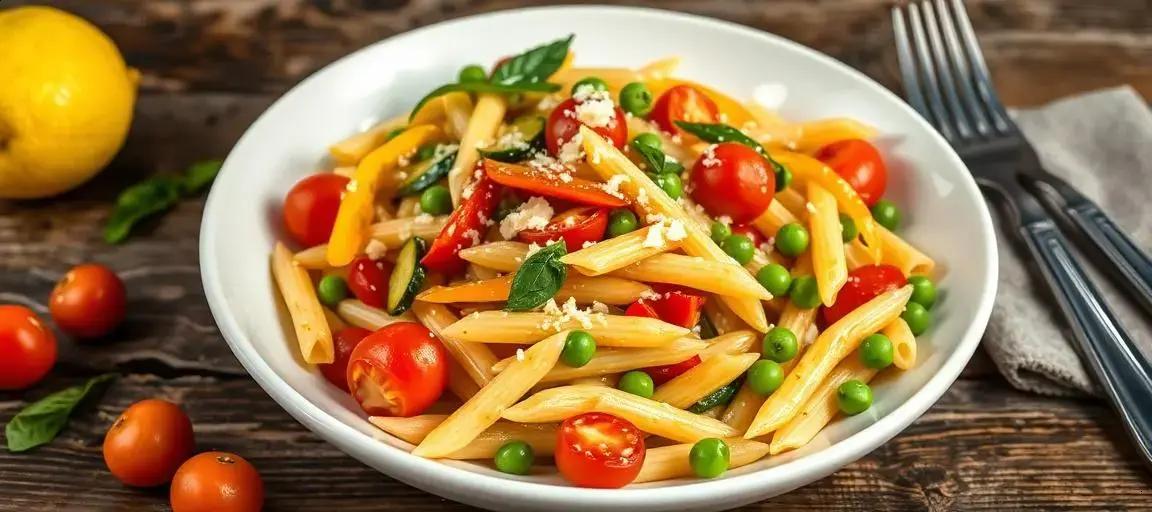
pasta primavera
Ingredients
Method
- Bring a large pot of salted water to a boil. Add the pasta and cook until just al dente—check the package and knock 1 minute off. Reserve about 1/2 cup of the cooking water before draining.
- While the pasta cooks, heat the olive oil in a large pan (big enough for everything later) over medium heat. Add the onion with a pinch of salt. Let it get soft and glossy, about 3 minutes.
- Add the zucchini and bell pepper strips. Stir often. Cook just until they start to soften but are still bright, around 4–5 minutes. If the pan looks dry or veggies start browning, add a splash of pasta cooking water. This keeps things juicy, not greasy.
- Next, add the garlic, peas, and cherry tomatoes. Stir and let everything cook for about 2 more minutes. The tomatoes only need to wilt and warm through — I never let them turn to mush.
- Add the drained pasta to the pan. Toss everything together well, adding a splash or two of pasta cooking water to make the starches turn your olive oil glossy like a little sauce. Taste and adjust the salt and pepper—sometimes I need a pinch more than I planned.
- Turn off the heat. Toss in the basil and about half the grated parmesan. Drizzle with the extra olive oil while everything is still warm, then pile into bowls. Add more cheese and extra basil if you like.
Notes
Technique notes from my kitchen
Timing is everything with this recipe. I always chop my vegetables while the water heats, and I start sautéing as soon as the pasta goes in. That way, everything lines up and nothing sits out getting cold. The secret to the glossy “sauce” isn’t cream, but pasta cooking water. Add just a splash at a time when tossing the pasta with the veggies and olive oil. This makes the sauce cling, not pool at the bottom of the bowl. Don’t rush the onion. If you skip softening it until transparent before adding other veg, you lose the mellow sweetness and the whole flavor is flatter. Even three extra minutes really matter here.Substitutions & variations
Primavera works with what’s in your crisper. I swap in snap peas, thin asparagus, or even a handful of spinach at the end when I have them. Broccoli florets are trickier: they work, but only if you steam them separately so they aren’t tough or raw by the time the pasta is done. Don’t use eggplant here—it cooks unevenly and turns spongy in this fast prep.Make-ahead tips
This pasta doesn’t reheat as nicely as some, but it holds in the fridge for a day. I actually like it cold, like a picnic pasta salad—the flavors come out a little more. To get the best leftovers, drizzle a bit more olive oil before storing so the noodles don’t stick together.On nights when I’m hungry and short on time, pasta primavera saves me—plenty of vegetables, just one pan, and my kitchen smells like summer in under half an hour.
Technique notes from my kitchen
Timing is everything with this recipe. I always chop my vegetables while the water heats, and I start sautéing as soon as the pasta goes in. That way, everything lines up and nothing sits out getting cold.
The secret to the glossy “sauce” isn’t cream, but pasta cooking water. Add just a splash at a time when tossing the pasta with the veggies and olive oil. This makes the sauce cling, not pool at the bottom of the bowl.
Don’t rush the onion. If you skip softening it until transparent before adding other veg, you lose the mellow sweetness and the whole flavor is flatter. Even three extra minutes really matter here.
Substitutions & variations
Primavera works with what’s in your crisper. I swap in snap peas, thin asparagus, or even a handful of spinach at the end when I have them. Broccoli florets are trickier: they work, but only if you steam them separately so they aren’t tough or raw by the time the pasta is done. Don’t use eggplant here—it cooks unevenly and turns spongy in this fast prep.
Make-ahead tips
This pasta doesn’t reheat as nicely as some, but it holds in the fridge for a day. I actually like it cold, like a picnic pasta salad—the flavors come out a little more. To get the best leftovers, drizzle a bit more olive oil before storing so the noodles don’t stick together.