
📄 Some content on this site was written with AI assistance and reviewed by Mileni Sabatini before publishing.
The first time I made this dish, I was pleasantly surprised by how the crispy, golden exterior contrasted with the tender, juicy inside. I always sprinkle a little salt on the protein right before cooking; it helps draw out moisture, making each bite even more flavorful. As it cooks, the aroma fills the kitchen, promising a hearty meal that’s both satisfying and nourishing. It’s a simple preparation that offers versatility for whatever you have on hand.
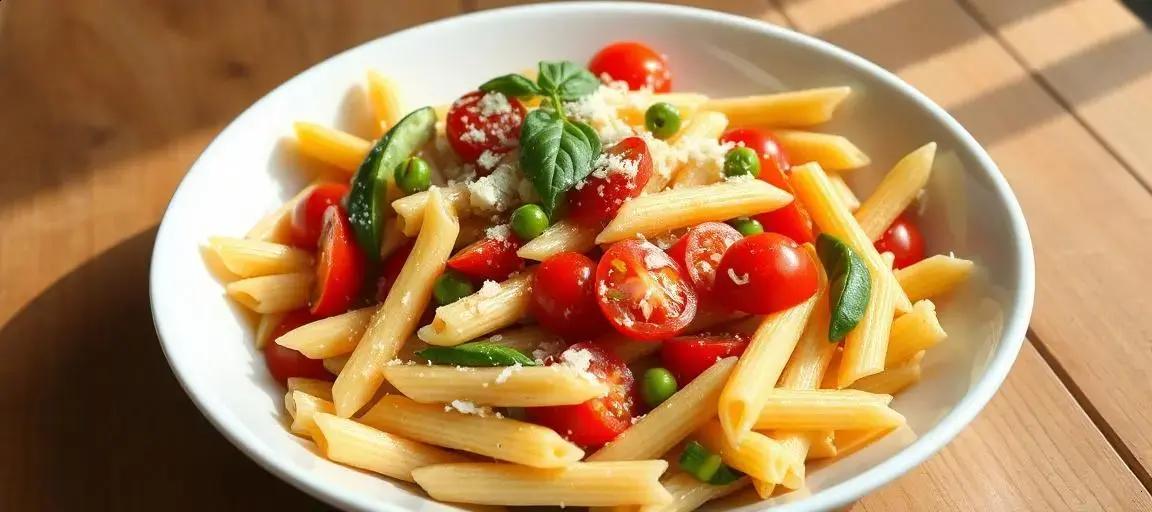
pasta primavera
Ingredients
Method
- Bring a large pot of salted water to a boil. Add the penne and cook for 1–2 minutes less than package directions (it’ll finish in the pan). Scoop out one mug of pasta water before draining.
- While the pasta cooks, heat the olive oil in a wide pan over medium heat. Once it shimmers, add the garlic and red pepper flakes. Sauté 30–60 seconds—don’t let the garlic brown.
- Add the bell peppers and carrots to the pan. Cook, stirring, for 2–3 minutes until they just start to soften.
- Add zucchini and snap peas. Sauté another 2 minutes. Turn the heat up if the veggies stop sizzling. You want them crisp-tender, not mushy.
- Add cherry tomatoes and a small pinch of salt and pepper. Stir and cook just 1–2 minutes until the tomatoes warm up but don’t burst.
- Add drained penne and half a mug of pasta water to the pan. Toss everything together over medium-high heat for another minute. If the pan looks dry, splash in more pasta water (I always save more than I think I’ll need).
- Turn off the heat. Stir in grated parmesan and most of the basil. Taste before salting again—the cheese adds a lot.
- Spoon into bowls, sprinkle with extra parmesan and the remaining basil. Eat right away for the brightest flavor.
Notes
Quick notes from repeat kitchen trials
Don’t overdo the veggies—four to five is plenty. More than that and you risk a mushy stir-fry situation. I always use a skillet that’s big enough for the pasta to land right in with the vegetables, so everything gets coated in that starchy, garlicky oil. If you add cooked penne before the veggies are ready, everything steams, not sautés. Real talk: saving pasta water is not optional. Sometimes I ladle up two mugs before draining, just in case. It’s the difference between a silky sauce and pasta that clumps as it cools. I usually drop half the parmesan in with the heat off; the rest goes over the bowls. It sticks better this way.Swaps and real substitutions
Use what you have: snap peas or green beans, zucchini or yellow squash, halved grape tomatoes instead of cherry. I’ve tried whole wheat pasta with decent results—just add a glug more pasta water. As for cheese: don’t skip the parmesan—that flavor holds everything together. If you need to go dairy-free, I use toasted pine nuts and a squeeze of lemon at the end, but it misses the creamy hit; vegan parmesan is just okay.Meal prep and leftovers
This one doesn’t reheat like a dream, but leftovers keep for about 2 days in a snap-lid container. I toss cold pasta primavera with a splash of olive oil and a squeeze of lemon for a packed lunch—it’s better cold than microwaved.I reach for this pasta primavera whenever I want something bright but don’t want to stand over the stove forever. The way fast-cooked veggies meet salty parmesan and basil just feels like spring, even in winter.
Quick notes from repeat kitchen trials
Don’t overdo the veggies—four to five is plenty. More than that and you risk a mushy stir-fry situation. I always use a skillet that’s big enough for the pasta to land right in with the vegetables, so everything gets coated in that starchy, garlicky oil. If you add cooked penne before the veggies are ready, everything steams, not sautés.
Real talk: saving pasta water is not optional. Sometimes I ladle up two mugs before draining, just in case. It’s the difference between a silky sauce and pasta that clumps as it cools. I usually drop half the parmesan in with the heat off; the rest goes over the bowls. It sticks better this way.
Swaps and real substitutions
Use what you have: snap peas or green beans, zucchini or yellow squash, halved grape tomatoes instead of cherry. I’ve tried whole wheat pasta with decent results—just add a glug more pasta water.
As for cheese: don’t skip the parmesan—that flavor holds everything together. If you need to go dairy-free, I use toasted pine nuts and a squeeze of lemon at the end, but it misses the creamy hit; vegan parmesan is just okay.
Meal prep and leftovers
This one doesn’t reheat like a dream, but leftovers keep for about 2 days in a snap-lid container. I toss cold pasta primavera with a splash of olive oil and a squeeze of lemon for a packed lunch—it’s better cold than microwaved.