
📄 Some content on this site was written with AI assistance and reviewed by Mileni Sabatini before publishing.
The moment you stir the warm, fragrant sauce into al dente pasta, you can really feel that comforting, silky texture enveloping each strand. I always make a point to reserve a ladleful of pasta water before draining; it’s a game changer for adjusting the sauce consistency and ensuring everything clings beautifully. As the heat from the pasta mingles with the sauce, those rich flavors deepen, creating a dish that feels both hearty and inviting.
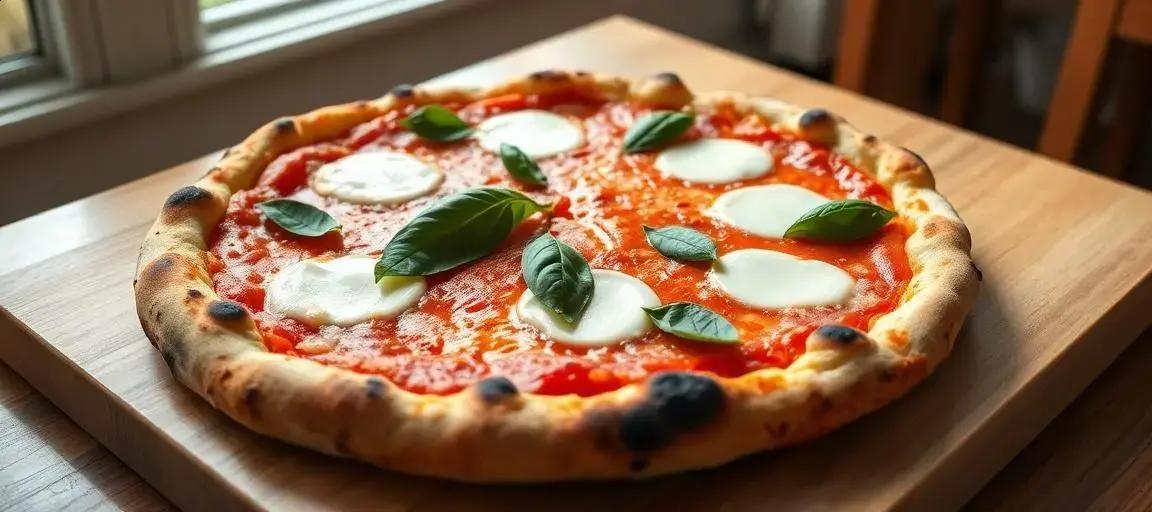
margherita pizza
Ingredients
Method
- Preheat your oven to the highest temperature it goes (about 250°C/482°F or higher if possible). If you have a pizza stone, put it in now.
- On a clean surface, sprinkle some semolina or cornmeal. Stretch the pizza dough gently with your hands into a rough circle, about 30cm across. Avoid a rolling pin if you want a bubbly crust.
- Transfer the dough to a piece of parchment or a pizza peel. Brush the top lightly with olive oil—this stops the sauce from soaking in too much.
- Spoon the tomato passata over the dough, leaving a border of about 1.5cm. Sprinkle the salt evenly across the sauce.
- Add mozzarella slices evenly over the pizza. If using super fresh mozzarella, give it a gentle squeeze in a paper towel so it doesn’t make the crust soggy.
- Slide the pizza onto the hot stone or baking sheet. Bake for 12–14 minutes, or until the crust has brown spots, cheese is bubbling, and edges have crisped up.
- Scatter fresh basil leaves over the pizza just as it comes out of the oven. Let it sit 2–3 minutes for the cheese to settle, then slice and eat.
Notes
Real-world pizza tips I learned the hard way
Heat is everything: A hot oven is non-negotiable. Get it going before you even think about stretching dough. If you have a pizza stone or steel, use it—the difference in crust crispness is huge, but a heavy metal tray preheated with the oven works almost as well. Mozzarella matters: If you use fresh mozzarella, take the time to pat it dry. Don't be shy—wrap it in a paper towel and squeeze. If you skip this, you get puddles on your pizza. If your mozzarella is the firmer block or shredded kind, skip this step—but don’t go for low-fat: the result is bland and rubbery. Stretch, don’t roll: I always shape pizza dough by hand, pressing from the center out. A rolling pin flattens all the bubbles you want in the crust. If the dough shrinks back a lot, cover and walk away for 5 minutes; it’s just letting you know it's cold.Swaps and small shortcuts
No pizza stone? Just crank your oven and use the heaviest metal tray you have. If you’re out of passata, blend a can of peeled tomatoes with a tiny pinch of salt and use that as your sauce—sometimes it’s even more flavorful. I’ve tried vegan mozzarella on this recipe; some work, others just melt into oil. Look for one that says it melts and browns—if it stays white and solid, skip this swap.Leftovers and storage
This pizza is surprisingly good cold or reheated. I store slices in airtight containers for up to two days. Leftover pizza crisps up beautifully in a dry skillet over medium heat—no need for oil, just a lid for the first minute to get the cheese melty again.I come back to this margherita pizza every time I want something honest and fast—no hiding behind toppings, just fresh mozzarella, good tomatoes, and 15 minutes in a hot oven makes dinner that actually feels worth the mess on the counter.
Real-world pizza tips I learned the hard way
Heat is everything: A hot oven is non-negotiable. Get it going before you even think about stretching dough. If you have a pizza stone or steel, use it—the difference in crust crispness is huge, but a heavy metal tray preheated with the oven works almost as well.
Mozzarella matters: If you use fresh mozzarella, take the time to pat it dry. Don’t be shy—wrap it in a paper towel and squeeze. If you skip this, you get puddles on your pizza. If your mozzarella is the firmer block or shredded kind, skip this step—but don’t go for low-fat: the result is bland and rubbery.
Stretch, don’t roll: I always shape pizza dough by hand, pressing from the center out. A rolling pin flattens all the bubbles you want in the crust. If the dough shrinks back a lot, cover and walk away for 5 minutes; it’s just letting you know it’s cold.
Swaps and small shortcuts
No pizza stone? Just crank your oven and use the heaviest metal tray you have. If you’re out of passata, blend a can of peeled tomatoes with a tiny pinch of salt and use that as your sauce—sometimes it’s even more flavorful.
I’ve tried vegan mozzarella on this recipe; some work, others just melt into oil. Look for one that says it melts and browns—if it stays white and solid, skip this swap.
Leftovers and storage
This pizza is surprisingly good cold or reheated. I store slices in airtight containers for up to two days. Leftover pizza crisps up beautifully in a dry skillet over medium heat—no need for oil, just a lid for the first minute to get the cheese melty again.