
📄 Some content on this site was written with AI assistance and reviewed by Mileni Sabatini before publishing.
The first thing you’ll notice when this dish comes together is the contrast between the crispness of the vegetables and the tender noodles. As everything simmers, the aromas blend beautifully, creating that comforting Mediterranean essence. I always make sure to add a splash of the pasta cooking water to the sauce; it helps everything bind together and adds just the right amount of creaminess without any heavy cream.
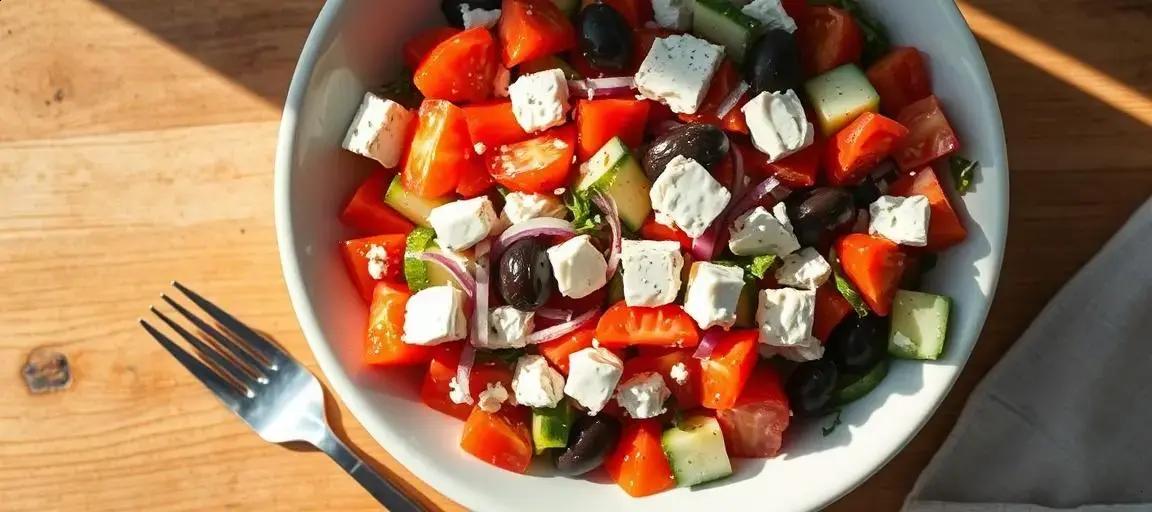
greek salad
Ingredients
Method
- Slice the tomatoes into chunky wedges, the cucumber into half-moons, the red onion into thin crescents, and the green bell pepper into strips. Toss them all into a large salad bowl.
- Add the kalamata olives. No need to pit them unless you really want to—just warn everyone at the table.
- Drizzle the olive oil over the salad. Sprinkle the dried oregano and sea salt. I always salt here, not at the end, because it helps the tomatoes release a bit of juice.
- Gently mix everything with your hands or two large forks. Don’t over-mix; you want to keep the vegetables crisp and the feta from disappearing into the salad.
- Finish with thick slices or big chunks of feta right on top. Leave as big pieces—they’ll hold their own until serving.
- Let sit about 5–10 minutes if you have time. The flavors meld and the salad seems even juicier. Serve right away or keep chilled up to two hours.
Notes
Tips from my own kitchen
Cut the veggies thick. Big wedges of tomato and blocky cucumber keep their bite. Thin slices just go mushy and drown in the dressing—ask me how I know. For onions, after slicing, I soak them in ice water for five minutes, then drain well. This takes out the harshness but keeps the crunch and color. Layer, don’t toss too much. The feta deserves a spot right on top—not crumbled throughout—especially if you’re serving guests. I find it holds up better and gives those satisfying creamy bites. Salt at the start, not the end. Sprinkling salt over the tomatoes right in the bowl draws out their flavor and makes a natural dressing with the olive oil.Swaps that actually taste right
If you can’t find Greek feta, look for a sheep’s milk feta—cow’s milk versions are milder but can work in a pinch. I’ve used cherry tomatoes when big tomatoes weren’t ripe yet; they do fine, especially if you halve them. If you want a heartier salad, try tossing in a can of chickpeas (rinsed, drained) or a handful of leftover roast chicken. But skip the lettuce—real Greek salad doesn’t have any, and it wilts in minutes.Meal prep and storage
This is my go-to for make-ahead lunches since it keeps in the fridge, undressed, for a day. I prep everything but the feta in the morning, then add cheese and oil just before eating. If you dress it fully, eat within two hours for maximum crunch.I started making Greek salad at home whenever I needed something fresh that could survive the school run or a hot afternoon. It’s the kind of salad I trust not to wilt, even if I get distracted mid-prep.
Tips from my own kitchen
Cut the veggies thick. Big wedges of tomato and blocky cucumber keep their bite. Thin slices just go mushy and drown in the dressing—ask me how I know. For onions, after slicing, I soak them in ice water for five minutes, then drain well. This takes out the harshness but keeps the crunch and color.
Layer, don’t toss too much. The feta deserves a spot right on top—not crumbled throughout—especially if you’re serving guests. I find it holds up better and gives those satisfying creamy bites.
Salt at the start, not the end. Sprinkling salt over the tomatoes right in the bowl draws out their flavor and makes a natural dressing with the olive oil.
Swaps that actually taste right
If you can’t find Greek feta, look for a sheep’s milk feta—cow’s milk versions are milder but can work in a pinch. I’ve used cherry tomatoes when big tomatoes weren’t ripe yet; they do fine, especially if you halve them. If you want a heartier salad, try tossing in a can of chickpeas (rinsed, drained) or a handful of leftover roast chicken. But skip the lettuce—real Greek salad doesn’t have any, and it wilts in minutes.
Meal prep and storage
This is my go-to for make-ahead lunches since it keeps in the fridge, undressed, for a day. I prep everything but the feta in the morning, then add cheese and oil just before eating. If you dress it fully, eat within two hours for maximum crunch.