
📄 Some content on this site was written with AI assistance and reviewed by Mileni Sabatini before publishing.
When you bite into a warm, freshly baked loaf of bread, the crust gives way to a soft, airy interior that just invites you to take another piece. I find that letting the dough rest longer than usual really enhances the flavor and texture, allowing those gluten strands to develop beautifully. A quick tip: stretch the dough gently instead of kneading it too rigorously, which helps create those delightful air pockets that make each slice a little lighter.
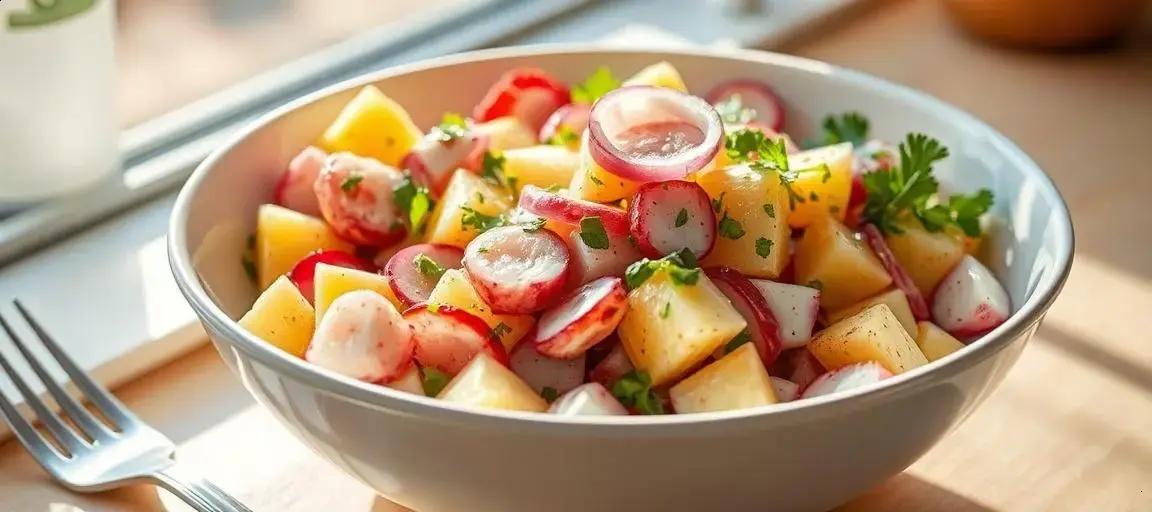
octopus salad
Ingredients
Method
- Wash the octopus under cold running water. Make sure it's fully cleaned and remove the beak if needed. If it's frozen, thaw first.
- Bring a large pot of salted water to a boil. Lower the octopus into the water using tongs and simmer over low heat for about 30 minutes, until a knife slips easily into the thickest part of the tentacle.
- While the octopus cooks, boil the potatoes in a separate pot until just fork-tender, about 10–12 minutes. Drain and let cool slightly.
- Once the octopus is cooked, drain and transfer it to a board. Let it cool enough to handle, then cut into bite-sized pieces. I always include some of the skin and suckers for flavor and color.
- In a large bowl, combine the warm potatoes, chopped octopus, celery, parsley, and red onion. The potatoes soak up more flavor when still warm.
- In a small bowl, whisk together olive oil, lemon juice, salt, pepper, and grated garlic for the dressing.
- Pour the dressing over the salad and toss well. Taste and add more salt if needed—sometimes I toss in an extra dash of lemon juice for brightness.
- Let the salad chill for at least 15 minutes before serving, so the flavors meld. Tastes even better after a couple of hours in the fridge.
Notes
My unsaid tricks for octopus salad
I always simmer the octopus gently—no rapid boiling—because that’s how you avoid rubbery pieces. The right texture is everything. If you’re unsure it’s cooked, stick a sharp knife in the thick part: it should slide in without resistance. One thing nobody tells you: slice the octopus while it’s still a little warm. It’s way easier, and the pieces stay tender instead of firming up and curling as they get cold. Don’t skip the step of mixing the potatoes and octopus while still warm. Warm potatoes pull in the dressing, which gives you flavor all through each bite. If the potatoes cool off before mixing, the salad just won’t taste as lively—learned that the hard way.Swaps and tweaks that actually work
You can use small, waxy potatoes (like Yukon Gold) instead of regular, but skip sweet potatoes—too sweet, throws everything off. If you don’t have celery, fennel bulb brings a subtle anise crunch that’s refreshing. I wouldn’t use cucumber; it turns watery after a couple hours. Want protein but less seafood? Half the octopus and add a drained can of chickpeas. The texture blends in nicely and keeps it filling.Meal prep and storage
This salad gets better with a few hours in the fridge and keeps well overnight. Just give it a good stir and taste for salt and lemon before serving—the potatoes soak up a lot while resting. Leftovers make a satisfying next-day lunch straight from the fridge, no reheating needed.I started making octopus salad regularly on Sundays because it’s the one seafood dish my family actually gets excited about—even picky eaters go for seconds once they taste it cold from the fridge. Something about lemon, herbs, and olive oil just works.
My unsaid tricks for octopus salad
I always simmer the octopus gently—no rapid boiling—because that’s how you avoid rubbery pieces. The right texture is everything. If you’re unsure it’s cooked, stick a sharp knife in the thick part: it should slide in without resistance. One thing nobody tells you: slice the octopus while it’s still a little warm. It’s way easier, and the pieces stay tender instead of firming up and curling as they get cold.
Don’t skip the step of mixing the potatoes and octopus while still warm. Warm potatoes pull in the dressing, which gives you flavor all through each bite. If the potatoes cool off before mixing, the salad just won’t taste as lively—learned that the hard way.
Swaps and tweaks that actually work
You can use small, waxy potatoes (like Yukon Gold) instead of regular, but skip sweet potatoes—too sweet, throws everything off. If you don’t have celery, fennel bulb brings a subtle anise crunch that’s refreshing. I wouldn’t use cucumber; it turns watery after a couple hours.
Want protein but less seafood? Half the octopus and add a drained can of chickpeas. The texture blends in nicely and keeps it filling.
Meal prep and storage
This salad gets better with a few hours in the fridge and keeps well overnight. Just give it a good stir and taste for salt and lemon before serving—the potatoes soak up a lot while resting. Leftovers make a satisfying next-day lunch straight from the fridge, no reheating needed.