
📄 Some content on this site was written with AI assistance and reviewed by Mileni Sabatini before publishing.
The best part about this recipe is how the crispy crust contrasts with the tender, juicy insides, creating a satisfying bite every time. After years of experimenting, I’ve learned that letting the dish rest for a few minutes after cooking helps the flavors meld together beautifully. This simple step often makes a noticeable difference in taste and texture, transforming a good meal into a memorable one.
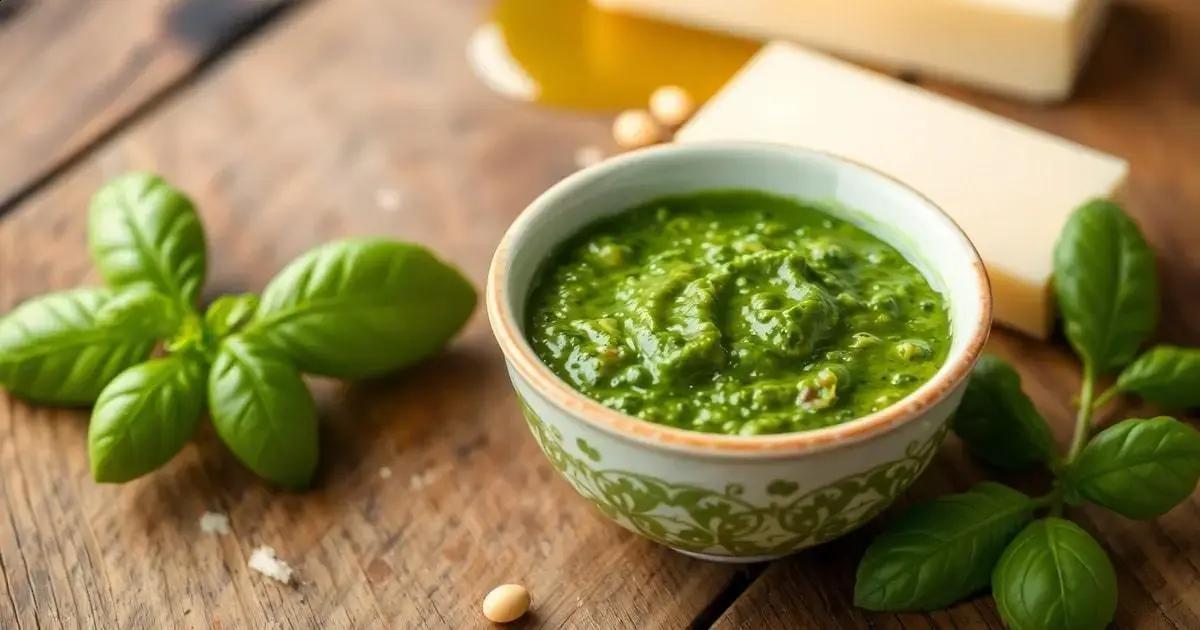
pesto sauce
Ingredients
Method
- Toast the pine nuts in a dry skillet over medium heat for 2–3 minutes, shaking the pan often, until they smell fragrant and look lightly golden. Let them cool before using.
- In a food processor, pulse the garlic and pine nuts until chopped—but not smooth. Scraping down the sides helps everything blend evenly.
- Add the basil leaves and pulse again just until the leaves are finely chopped. Don’t blend too long or the basil can turn bitter.
- With the processor running, drizzle in the olive oil slowly. This keeps the pesto bright green. Stop and scrape the bowl once or twice for an even texture.
- Add the grated Parmesan, salt, and pepper. Pulse once or twice to combine—don’t overmix. If you want a looser pesto, stir in a splash of water at the end by hand.
- Taste and adjust. I always start with half the salt, then taste after the cheese is in. Store the pesto in a jar with a thin layer of olive oil on top to keep it from turning brown.
Notes
Real-life tips you won’t find on the jar
Fresh basil bruises fast. I always pat the leaves dry with a clean towel before blending—just washed basil can turn the pesto muddy if it’s too wet. Toasting the pine nuts isn’t optional for me; it makes the pesto taste nutty and rich, not raw or flat. If you want a more spreadable consistency (for bread or pizza), I stir in a tablespoon of water by hand at the end instead of adding more oil. The trick to keeping the green color: drizzle the oil in slowly and don’t over-blend. Heat and friction from a food processor can dull the basil.Swaps and variations
Pine nuts are pricey and sometimes a pain to find. Walnuts, slivered almonds, or even raw sunflower seeds taste good here. Just avoid roasted nuts—they’ll overwhelm the basil. I’ve tried subbing spinach for some of the basil (up to 50%) in winter; it works if you use baby spinach and still keep some basil for flavor. You can’t really skip the cheese and get the real thing, but if you need it dairy-free, nutritional yeast does work. The texture will be looser, so cut the oil back a touch.Storing your fresh pesto
Pesto oxidizes, which just means the top layer can turn brown if left exposed. I always pour a thin layer of olive oil on the surface before sealing and refrigerating. It keeps the color and flavor good for up to 5 days. For freezer prep, spoon pesto into an ice cube tray and freeze solid, then pop out cubes as needed for single servings.I keep a jar of this pesto in my fridge for those days when dinner needs to happen fast but still lift my mood. I love how a spoonful turns plain pasta or eggs into something you actually want to eat.
Real-life tips you won’t find on the jar
Fresh basil bruises fast. I always pat the leaves dry with a clean towel before blending—just washed basil can turn the pesto muddy if it’s too wet. Toasting the pine nuts isn’t optional for me; it makes the pesto taste nutty and rich, not raw or flat. If you want a more spreadable consistency (for bread or pizza), I stir in a tablespoon of water by hand at the end instead of adding more oil.
The trick to keeping the green color: drizzle the oil in slowly and don’t over-blend. Heat and friction from a food processor can dull the basil.
Swaps and variations
Pine nuts are pricey and sometimes a pain to find. Walnuts, slivered almonds, or even raw sunflower seeds taste good here. Just avoid roasted nuts—they’ll overwhelm the basil. I’ve tried subbing spinach for some of the basil (up to 50%) in winter; it works if you use baby spinach and still keep some basil for flavor.
You can’t really skip the cheese and get the real thing, but if you need it dairy-free, nutritional yeast does work. The texture will be looser, so cut the oil back a touch.
Storing your fresh pesto
Pesto oxidizes, which just means the top layer can turn brown if left exposed. I always pour a thin layer of olive oil on the surface before sealing and refrigerating. It keeps the color and flavor good for up to 5 days. For freezer prep, spoon pesto into an ice cube tray and freeze solid, then pop out cubes as needed for single servings.