
📄 Some content on this site was written with AI assistance and reviewed by Mileni Sabatini before publishing.
The moment you pull this dish from the oven, the fragrant aroma hits you, signaling that it’s ready to warm both your kitchen and your heart. I love the crispy edges that contrast with the tender center, making every bite satisfying. A tip I swear by is to let the dish rest for a few minutes after cooking; it allows the flavors to mingle and the texture to settle, enhancing the overall experience.
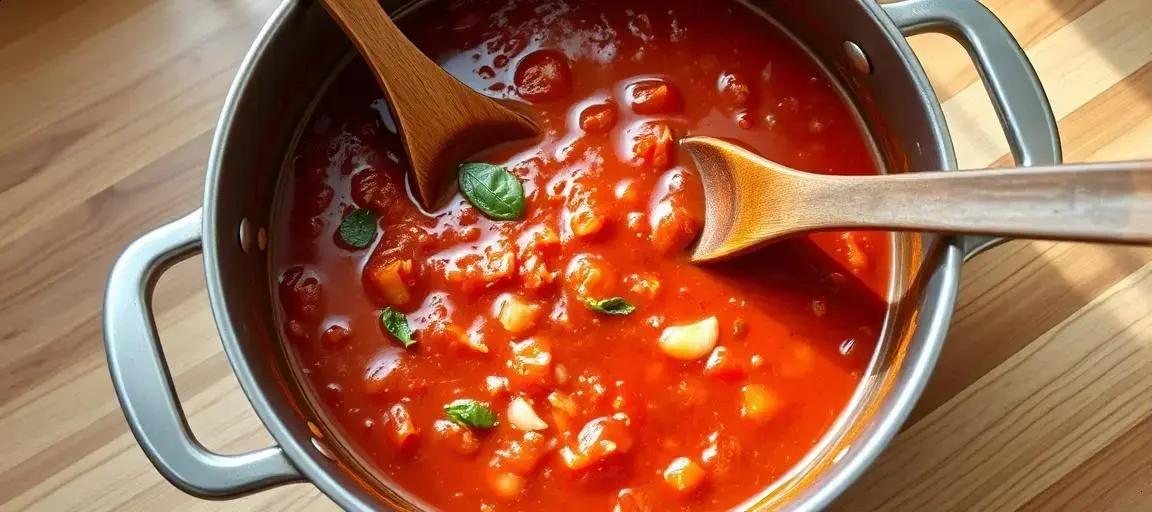
tomato sauce
Ingredients
Method
- Heat the olive oil in a wide saucepan over medium heat. When a tiny piece of onion sizzles right away, add all the chopped onion.
- Sauté the onion, stirring regularly, until it turns soft and translucent (about 5 minutes). If the edges start browning, lower the heat a bit.
- Add the minced garlic and stir constantly for about 30 seconds — just until you can smell it. Burned garlic tastes bitter, so watch closely.
- Add the chopped tomatoes (with their juices), salt, black pepper, and dried oregano. Stir everything together and bring to a gentle simmer.
- Let the sauce simmer uncovered for 30 minutes. Stir every few minutes. If it looks too thick at any point, add a splash of water (about 2 tablespoons).
- When the sauce has thickened and chunks are soft, taste and adjust seasoning. I always add half the salt first, taste with a spoonful of pasta water stirred in (if making pasta), then decide if it needs more salt.
- Turn off the heat and stir in the torn fresh basil leaves. Let the sauce sit in the pan for 5 minutes before serving — it thickens up slightly and the flavors settle.
Notes
Real-life tomato sauce tips
Cooking the onions until fully soft is the quiet hero move here. If you rush this step, the sauce never gets that gentle, rich sweetness. I always use my biggest, widest pan — more surface area means the sauce simmers down faster and tastes richer. If you only have bland grocery store tomatoes, stir in a tablespoon of tomato paste with the garlic for extra depth. Don’t skip the simmer: 30 full minutes changes the flavor far more than any fancy ingredient swap. Here’s something I do every time: I dip a spoon in pasta cooking water, swirl it into the sauce, then taste for seasoning — pasta water brings out the best in tomato sauce flavor, even if you’re not serving it with noodles.Substitutions and variations
No fresh tomatoes? You can use a 28-ounce can of whole peeled tomatoes (just squish them with your hands when you add them to the pan). It won’t be quite as bright, but it works well in winter. If you’re out of basil, use a sprig of fresh thyme — but skip dried basil, it turns muddy here. I wouldn’t swap olive oil for another oil; the flavor is key.Meal prep and storage
This sauce lasts up to five days in the fridge (I like to store it in a glass jar). It freezes perfectly — I portion it into two-cup containers so I can thaw just what I need for a weeknight dinner.I grew up making tomato sauce with my mom every month — the whole kitchen smelled like summer by the time we were done. I come back to this recipe when I want dinner that tastes like someone cared.
Real-life tomato sauce tips
Cooking the onions until fully soft is the quiet hero move here. If you rush this step, the sauce never gets that gentle, rich sweetness. I always use my biggest, widest pan — more surface area means the sauce simmers down faster and tastes richer.
If you only have bland grocery store tomatoes, stir in a tablespoon of tomato paste with the garlic for extra depth. Don’t skip the simmer: 30 full minutes changes the flavor far more than any fancy ingredient swap.
Here’s something I do every time: I dip a spoon in pasta cooking water, swirl it into the sauce, then taste for seasoning — pasta water brings out the best in tomato sauce flavor, even if you’re not serving it with noodles.
Substitutions and variations
No fresh tomatoes? You can use a 28-ounce can of whole peeled tomatoes (just squish them with your hands when you add them to the pan). It won’t be quite as bright, but it works well in winter.
If you’re out of basil, use a sprig of fresh thyme — but skip dried basil, it turns muddy here. I wouldn’t swap olive oil for another oil; the flavor is key.
Meal prep and storage
This sauce lasts up to five days in the fridge (I like to store it in a glass jar). It freezes perfectly — I portion it into two-cup containers so I can thaw just what I need for a weeknight dinner.