
📄 Some content on this site was written with AI assistance and reviewed by Mileni Sabatini before publishing.
There’s something incredibly satisfying about the contrast of warm, tender vegetables with a crisp finish that you can achieve by roasting. I always make sure to cut my veggies into uniform pieces; this helps them cook evenly, so you get that delightful char on the outside while keeping the insides perfectly tender. Roasting at a high temperature allows those natural sugars to caramelize, creating layers of flavor you just can’t replicate with steaming. It’s a simple technique that brings out the best in your ingredients.
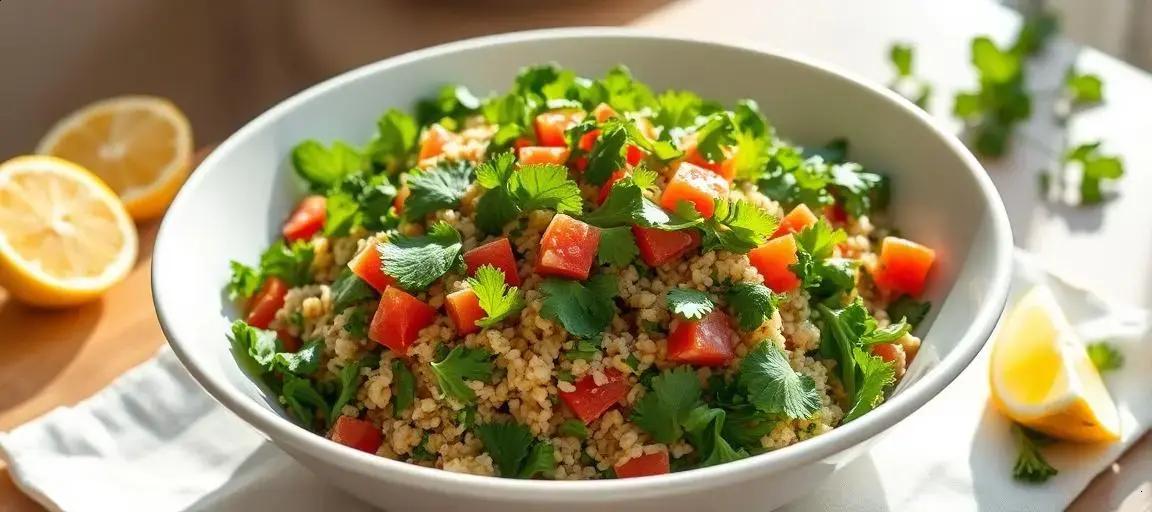
tabbouleh
Ingredients
Method
- Pour the bulgur into a large bowl and cover with 1 cup boiling water. Cover the bowl with a plate or clean towel. Let it sit for 15 minutes. The grains should be tender and a little chewy, not mushy.
- While the bulgur soaks, chop the parsley and mint as finely as possible. Rinse and dice the tomatoes. Slice the scallions and finely dice the red onion. Set everything aside.
- After 15 minutes, fluff the bulgur with a fork. If there is extra water, drain it. Spread the bulgur out in the bowl and let it cool for 5 minutes so it doesn't wilt the herbs.
- Add the chopped herbs, tomato, onion, and scallions to the cooled bulgur. Toss gently so you don't crush the tomatoes.
- In a small bowl, whisk together lemon juice, olive oil, salt, and pepper. Pour this dressing over the salad. Toss everything together until well combined.
- Taste and adjust: I usually add half the salt at first, mix, then taste and add more if it needs it. The salad should taste fresh and lemony.
- Let the tabbouleh sit at room temperature for 10 minutes before serving. The flavors blend and the bulgur soaks up the dressing better.
Notes
My practical tips for tabbouleh that actually work
Chop the parsley and mint as finely as you can—almost minced. I use a wide chef’s knife and run it over the pile a few more times than I think I need. Big leaves don’t let the flavors blend the same way. If your bulgur feels soggy after soaking, don’t panic. Just squeeze out excess water in a clean kitchen towel before mixing. I learned the hard way that watery tabbouleh is just not enjoyable. Also, I’ve tested soaking with cold water (takes about 45 minutes)—it works, but the grains are chewier. If you like a heartier bite, try this method. Otherwise, boiling water is fastest.Swaps and variations I use (and a few I skip)
Quinoa instead of bulgur actually tastes great if you need gluten-free. Just make sure it’s cooled before adding to the salad, or the herbs go limp. I don’t recommend couscous—the flavor and texture just never feel right to me here. Cucumber can go in if you want it crunchier, but add it last and only if serving right away; it releases water fast. I skip garlic in tabbouleh—it overpowers the herbs.Making ahead and storing
This salad holds up in the fridge up to 2 days. I save half the lemon and salt to add just before eating if I'm meal prepping. The herbs stay brighter and the salad doesn't get mushy—trust me, it makes a difference.Tabbouleh is one of those salads I keep coming back to because it actually keeps me full till the next meal, and making it always reminds me of my mom finely chopping herbs in a giant wooden bowl. No wilted, sad lettuce in sight.
My practical tips for tabbouleh that actually work
Chop the parsley and mint as finely as you can—almost minced. I use a wide chef’s knife and run it over the pile a few more times than I think I need. Big leaves don’t let the flavors blend the same way.
If your bulgur feels soggy after soaking, don’t panic. Just squeeze out excess water in a clean kitchen towel before mixing. I learned the hard way that watery tabbouleh is just not enjoyable.
Also, I’ve tested soaking with cold water (takes about 45 minutes)—it works, but the grains are chewier. If you like a heartier bite, try this method. Otherwise, boiling water is fastest.
Swaps and variations I use (and a few I skip)
Quinoa instead of bulgur actually tastes great if you need gluten-free. Just make sure it’s cooled before adding to the salad, or the herbs go limp. I don’t recommend couscous—the flavor and texture just never feel right to me here.
Cucumber can go in if you want it crunchier, but add it last and only if serving right away; it releases water fast. I skip garlic in tabbouleh—it overpowers the herbs.
Making ahead and storing
This salad holds up in the fridge up to 2 days. I save half the lemon and salt to add just before eating if I’m meal prepping. The herbs stay brighter and the salad doesn’t get mushy—trust me, it makes a difference.